Best Hair Care Routine for Curly Hair: The Complete Expert Guide
Lip Store.euShare
Curly hair is one of the most misunderstood hair types — not because it is difficult to care for, but because most advice is built around straight-hair principles that fundamentally do not apply. A truly effective hair care routine for curly hair starts with understanding the unique structure, porosity, and moisture needs that curls require, then building a protocol that works with the hair's natural behavior rather than against it. This guide delivers that protocol — with professional precision and real, lasting results.
Why Curly Hair Needs a Different Approach
Curly and wavy hair has a fundamentally different structure from straight hair. The curl pattern causes the hair shaft to bend at regular intervals, which means sebum — the scalp's natural oil — cannot travel smoothly down the length of the strand the way it does on straight hair. The result is that curly hair is naturally drier, more porous, and more prone to frizz than straight hair, regardless of how frequently it is conditioned.
Additionally, the cuticle on curly hair is often naturally more open, which makes it reactive to atmospheric humidity — absorbing moisture from the air, causing the fibers to swell unevenly and producing the frizz and volume fluctuation that many curly-haired clients find frustrating. Understanding this structural reality is the foundation of every effective curly hair care decision.
For a complete diagnostic breakdown of curly and wavy hair characteristics by type, porosity, and texture, our dedicated guide to curly and wavy hair care provides in-depth clinical context for both salon professionals and end consumers — covering everything from hair typing to treatment selection.
The Curly Hair Care Routine: Step by Step
The following routine is structured for maximum curl definition, moisture retention, and frizz control. It applies across curl types from loose waves (2A–2C) through classic curls (3A–3C) to coily textures (4A–4C), with specific adaptations noted where relevant.
Step 1 — Pre-Wash Treatment (Weekly)
Before washing, applying a pre-wash oil or conditioning treatment protects the curl from the drying effects of cleansing while adding a foundational layer of moisture that conditions the hair from the inside out. This step — known as pre-pooing — is particularly valuable for high-porosity curls that lose moisture rapidly during washing.
Apply a generous amount of oil or a thick conditioning mask to dry hair, from mid-lengths to ends. Cover with a shower cap and leave for 20 to 45 minutes. The heat generated under the cap opens the cuticle slightly, allowing the oils and conditioning agents to penetrate more deeply before the wash cycle begins.
Step 2 — Cleansing: Co-Washing vs. Low-Poo Shampoo
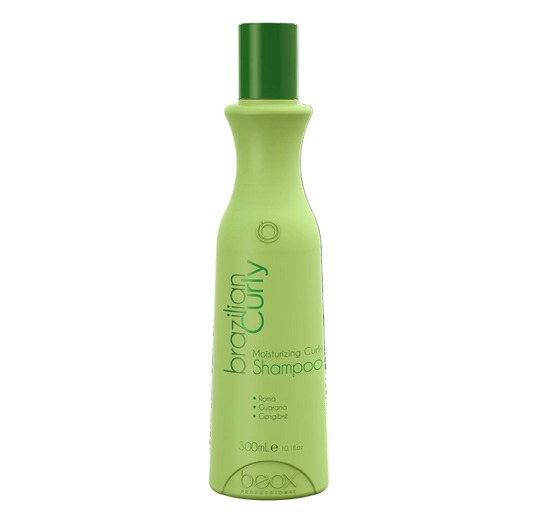
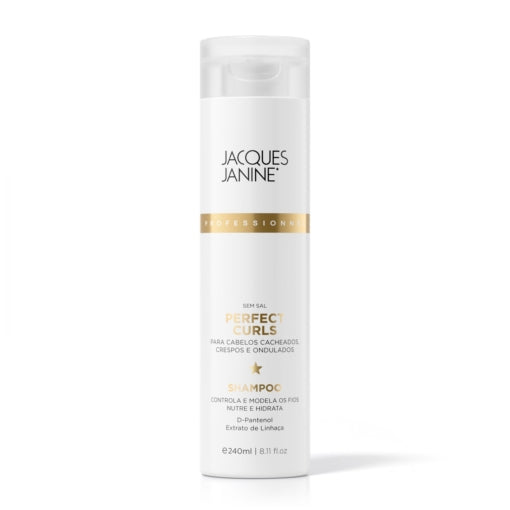
The cleansing step is one of the most consequential decisions in a curly hair routine. Conventional sulfate-based shampoos strip the cuticle of its natural lipid layer, dramatically increasing porosity and frizz. For most curl types, switching to either a co-wash (conditioner-only wash) or a low-poo (sulfate-free gentle cleanser) is transformative.
- Co-wash (conditioner wash): Best for type 3B through 4C curls that are naturally dry and very porous — cleansing with a lightweight conditioner instead of shampoo preserves the maximum amount of moisture and natural oils
- Low-poo shampoo: Best for type 2A through 3A curls with finer texture or scalp oiliness — provides gentle cleansing without aggressive sulfate stripping, maintaining cuticle integrity
- Clarifying shampoo: Used monthly (or after heavy product buildup) to remove mineral deposits and product residue that block conditioning agents from penetrating the curl
When washing, avoid piling curls on top of the head and scrubbing — this creates friction and tangles. Instead, work the cleanser through the hair in a downward, gentle motion, squeezing rather than rubbing.
Step 3 — Deep Conditioning (Weekly)
Deep conditioning is the single most impactful step in any curly hair routine. Curly hair's natural dryness and open cuticle mean that it requires significantly more intensive conditioning than straight hair to maintain moisture balance and curl integrity.
Apply a professional deep conditioning mask generously to cleansed, dripping-wet hair. Focus on the mid-lengths and ends — the driest, most damaged sections. Cover with a shower cap and apply gentle heat for 20 to 30 minutes. The combination of heat and moisture drives conditioning agents deep into the cortex, restoring internal hydration, elasticity, and curl definition.
For curly hair with protein deficiency — typically caused by chemical damage, frequent color, or bleaching — alternate between a moisture-focused mask and a protein-rich reconstruction mask weekly. The two must be balanced: too much protein without moisture makes curls stiff and crunchy; too much moisture without protein makes curls limp and undefined.
Step 4 — Leave-In Conditioner (Every Wash)
After rinsing the deep conditioner, applying a leave-in conditioner is the bridge between the wash routine and the styling routine. On soaking-wet hair, a leave-in conditioner provides the moisture layer that curl-forming products can then lock in and seal, while simultaneously beginning the cuticle-sealing process that reduces frizz.
A professional leave-in conditioner applied generously to dripping-wet hair ensures even distribution throughout the curl and creates the slip that allows for tangle-free detangling with a wide-tooth comb or a wet brush — always working from ends to roots, never the reverse. The leave-in also forms the first protective layer between the curl and the atmospheric humidity that triggers frizz.
Our range of professional leave-in conditioners is formulated specifically for curly and wavy hair — delivering lasting moisture, frizz control, and a soft, flexible hold base that supports curl definition without weighing the hair down or leaving residue that inhibits curl formation.
Step 5 — Apply Curl-Defining Products (On Wet Hair)
Curl-defining products must always be applied to wet — not damp, but genuinely wet — hair. Once hair begins to dry without a defined curl pattern, reworking it creates frizz rather than definition. The styling sequence for maximum curl definition is:
- Curl cream or leave-in: Applied first as the moisture and definition base
- Styling gel or mousse: Applied second to lock the curl pattern and hold the definition
- Hair oil: Applied last — in small amounts — to seal the cuticle, add shine, and prevent atmospheric moisture from entering the shaft
Scrunch the products into the hair from ends to roots using the palms — never raking or raking through with fingers, which separates curl clumps and creates frizz. The goal is to encourage the natural curl to group together and define rather than separating individual strands.
Step 6 — Drying: Air Dry or Diffuse
The drying method has a significant impact on curl definition and frizz. Towel drying with a standard bath towel is one of the leading causes of frizz — the rough cotton fibers disrupt the cuticle and break apart forming curl clumps. Instead, blot hair gently with a microfiber towel or a cotton T-shirt to remove excess water before air drying or diffusing.
- Air drying: The gentlest method for curl definition — minimizes frizz but requires time and a humidity-controlled environment for best results
- Diffusing: Attachment diffuser used on low to medium heat, low airflow — lifts and defines curl without disturbing the curl pattern or creating frizz
- Plopping: Wrapping wet, product-applied hair in a microfiber towel or T-shirt for 15 to 30 minutes before air drying — concentrates curl formation and eliminates weight-induced stretching
Avoid touching the hair while it is drying — any manipulation before the hair is fully dry breaks the forming curl and creates frizz. The hair should be completely dry before any fluffing, separating, or finishing.
Step 7 — Sealing with Hair Oil (Final Step)
Once the hair is fully dry, a small amount of hair oil applied to the palms and smoothed gently over the surface of the curls seals the cuticle, adds shine, reduces static, and creates the hydrophobic layer that prevents humidity from causing frizz throughout the day.
The most effective oils for curly hair are those with a combination of penetrating and sealing properties. Lightweight penetrating oils — argan, jojoba, and sweet almond — absorb into the upper cuticle layers and add flexibility. Heavier sealing oils — castor, marula, and baobab — coat the surface and lock in the moisture that lighter oils and conditioners have delivered.
Our curated selection of professional hair oils for curly hair includes formulas specifically designed for high-porosity, frizz-prone, and chemically treated curls — delivering the balance of penetration and sealing protection that curl types require for lasting definition and shine.
The Curly Hair Routine: Day 2, 3, and Refresh Days
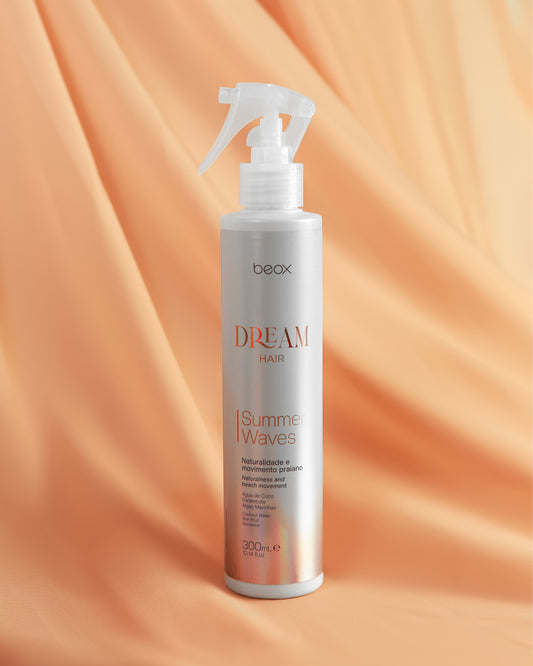
One of the most common curly hair challenges is maintaining definition between wash days. The goal of a refresh routine is to reactivate curl definition without causing frizz or buildup.
- Lightly mist curls with water or a water-based curl refresher spray to rehydrate the hair
- Apply a small amount of leave-in conditioner or curl cream to reactivate the product already in the hair
- Scrunch gently from ends to roots to reform the curl clumps
- Apply a tiny amount of oil to smooth any frizz on the surface
- Allow to air dry or briefly diffuse on low heat
Avoid using heavy products on refresh days — this causes buildup that eventually weighs curls down and makes the routine progressively less effective. The refresh routine should use significantly less product than the wash-day routine.
Common Curly Hair Mistakes and How to Avoid Them
Many clients with curly hair have been following advice designed for straight hair for years, causing preventable damage and frustration. The most impactful corrections include:
- Brushing dry curls: This breaks the curl clump and creates frizz — always detangle on wet, conditioned hair only
- Skipping deep conditioning: Curly hair requires weekly deep conditioning to maintain moisture balance — using only rinse-out conditioner is insufficient for most curl types
- Applying products to dry or damp hair: Curl products must go onto soaking-wet hair — dampening the hair with a spray bottle before applying is an acceptable alternative
- Using heat without a diffuser: Direct airflow from a standard blow dryer disrupts the curl pattern — a diffuser is non-negotiable for any heat drying
- Touching hair while drying: Every touch before the curl is fully set creates frizz — the no-touch rule applies until the hair is 100% dry
- Using cotton pillowcases: Cotton absorbs moisture and creates friction that frizzes and flattens curls overnight — silk or satin is essential
Professional Salon Treatments That Transform Curly Hair
A consistent at-home routine produces significant improvement in curl health and definition, but professional salon treatments deliver the structural foundation that makes every at-home step more effective.
The most impactful professional treatments for curly hair include:
- Deep conditioning and bond repair treatments: Repair chemical damage, restore internal protein and moisture balance, and reduce the porosity that makes curly hair reactive to humidity
- Protein reconstruction treatments: Rebuild the cortex of chemically treated, bleached, or over-processed curls — restoring density, elasticity, and the bounce that defines healthy curl pattern
- Curl-specific conditioning services: Professional treatments using high-concentration keratin-free conditioning formulas specifically designed for curly hair — delivering 4 to 6 weeks of dramatically improved hydration and definition without altering the curl pattern
For salon professionals building a curly hair specialization, recommending the right at-home protocol alongside professional treatments is what creates long-term client satisfaction and repeat business.
Frequently Asked Questions: Best Hair Care Routine for Curly Hair
How often should curly hair be washed?
Most curl types benefit from washing every 7 to 10 days — washing too frequently strips natural oils that are essential for keeping curls hydrated and defined. Fine, wavy curls (type 2) may tolerate and benefit from washing every 4 to 5 days. Tightly coiled curls (type 4) often perform best with washing every 10 to 14 days. Between wash days, a refresh routine using water and a small amount of leave-in or curl cream reactivates definition without stripping the curl of essential moisture.
What is the correct order of curly hair products?
The correct product order for curly hair is: leave-in conditioner (applied to dripping-wet hair) → curl cream or styling cream → gel or mousse → hair oil (last, to seal). Each layer builds on the previous one: the leave-in provides the moisture base, the curl cream defines the pattern, the gel locks in hold and reduces frizz, and the oil seals the cuticle and prevents humidity from disrupting the set curl.
Why is my curly hair still frizzy after conditioning?
Persistent frizz after conditioning is almost always caused by one or more of the following: applying products to hair that is not wet enough, touching the hair while it is still drying, using a cotton towel to dry rather than a microfiber towel or T-shirt, skipping the leave-in step, or using products that are not the right weight for the curl type. High porosity — often caused by chemical damage — also causes persistent frizz regardless of conditioning frequency. Addressing porosity with protein treatments and cuticle-sealing oils is the solution.
Do curly hair types need protein treatments?
Yes — but in balance with moisture. Curly hair naturally loses protein faster than straight hair because the open cuticle and physical structure of the curl create more points of mechanical stress. Protein treatments rebuild the internal cortex, restore elasticity, and reduce the porosity that causes frizz. However, too much protein without adequate moisture makes curls feel crunchy, stiff, and brittle. The correct approach is to alternate between a moisturizing deep conditioner and a protein-rich reconstruction mask weekly, adjusting the ratio based on how the hair responds.
Is oil good for curly hair?
Yes — but it must be the right oil, applied at the right time. Oils are most effective on curly hair when used as the final sealing step on dry, fully styled hair. Applied over a leave-in or curl cream on wet hair, they seal in the moisture delivered by the water-based products below. Applied on dry hair, they add shine and prevent humidity-driven frizz. The weight of the oil must match the curl type: lightweight oils (argan, jojoba) for fine to medium curls; heavier oils (castor, marula) for thick, coily textures. Using heavy oils on fine curls or light oils on dense coils reduces definition and causes either buildup or inadequate sealing.