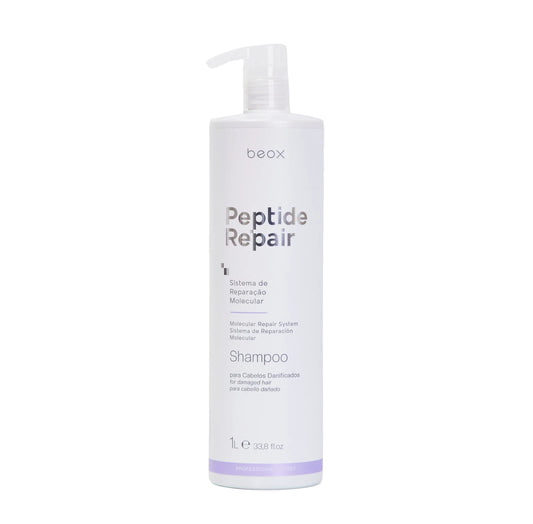
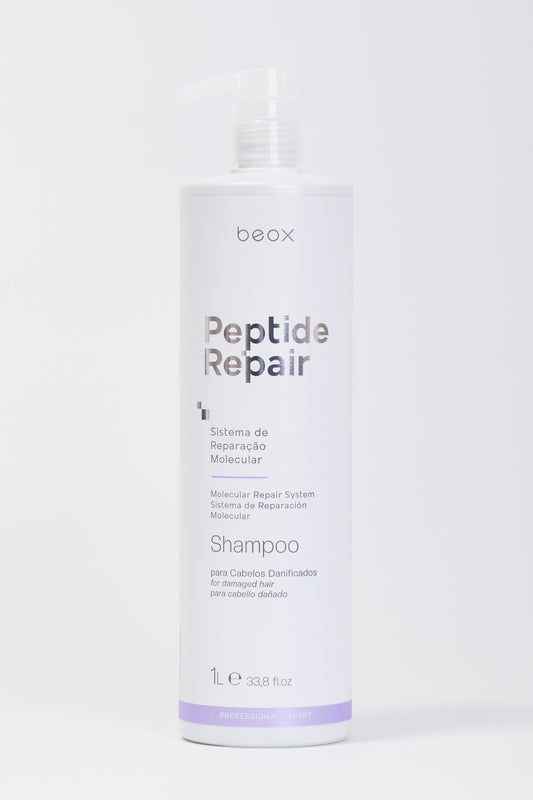
Best Hair Repair Products for Damaged Hair: The Professional Guide to Stronger, Healthier Strands
Lip Store.euShare
Damaged hair is not a cosmetic inconvenience — it is a structural emergency. Whether caused by repeated heat styling, aggressive chemical treatments, environmental stress, or simple neglect, hair damage progresses silently until the fiber can no longer hold moisture, resist breakage, or maintain its natural elasticity. The right hair repair products do not just mask the problem — they rebuild the hair from the inside out, restoring strength, shine, and resilience at a molecular level.
This guide was created for salon professionals, hairstylists, and informed consumers who want to understand not only which products work, but precisely why they work — and how to use them for maximum, measurable results.
Understanding Hair Damage: What Is Actually Happening Inside the Fiber
Before choosing any repair product, it is essential to understand what hair damage actually means at a structural level. Healthy hair is composed of a cortex — the inner protein core — protected by a tightly sealed cuticle layer. When damage occurs, the cuticle lifts and fractures, exposing the cortex to external aggressors. Without intervention, the cortex degrades, protein bonds break, and the hair loses its mechanical strength entirely.
The most common sources of structural hair damage include:
- Thermal damage from flat irons, curling wands, and blow-dryers used without heat protection
- Chemical damage from bleaching, coloring, relaxing, and perming
- Mechanical damage from aggressive brushing, tight elastics, and rough towel-drying
- Environmental damage from UV radiation, hard water mineral deposits, and pollution
- Nutritional deficiency leading to weak, brittle hair growth at the follicle level
Each type of damage requires a targeted response. A repair strategy that works for bleach-damaged hair will differ from one designed for heat-damaged or mechanically weakened hair — which is why professional product selection matters far more than most consumers realize.
The 3 Core Product Categories for Professional Hair Repair
The professional hair repair market offers hundreds of products, but the most effective solutions fall into three foundational categories. Understanding each category — and its specific mechanism of action — allows stylists and consumers to build a repair protocol that addresses the actual damage rather than simply improving surface appearance.
1. Professional Hair Repair Treatments: Rebuilding the Foundation
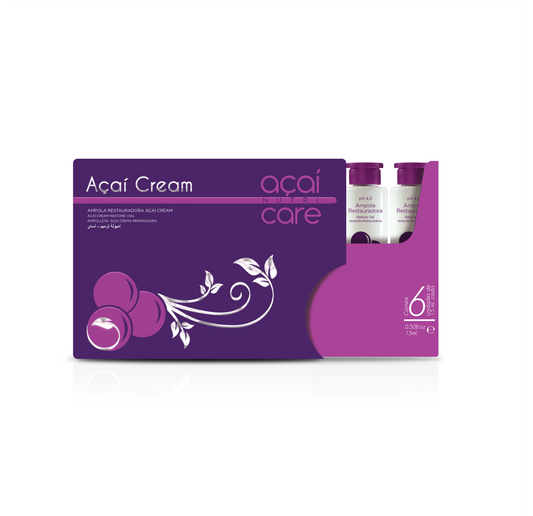
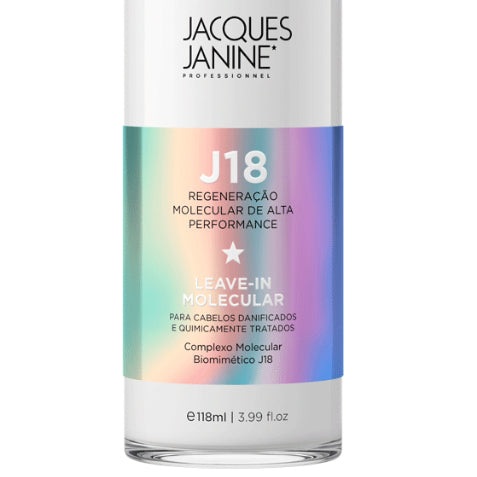
The most powerful starting point for any hair repair protocol is a dedicated professional treatment — a concentrated, active-ingredient-rich formula applied directly to the hair shaft to initiate structural reconstruction. These treatments contain high levels of hydrolyzed proteins, amino acids, and bond-building technology that penetrate the cortex and begin repairing the internal architecture of the fiber.
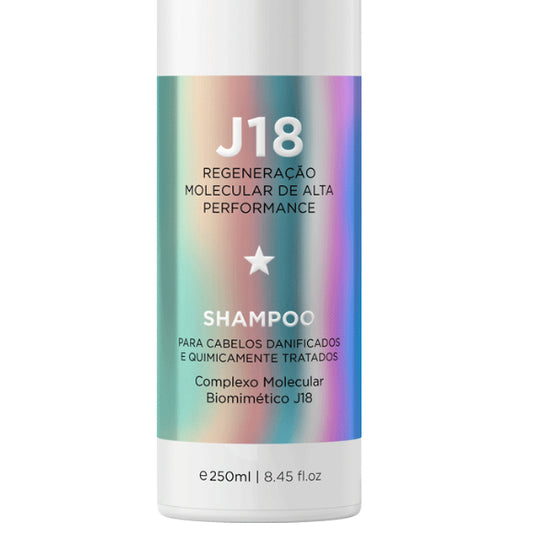
Professional-grade repair treatments differ from consumer alternatives in both concentration and sophistication. Where a drugstore product might temporarily fill surface gaps with silicones, a professional treatment actively reconstructs disulfide bonds, replenishes lost lipids, and restores the hair's natural moisture-protein balance. Explore the full range of professional hair repair products to identify the right treatment system for your hair type and damage level.
What to expect from a professional hair repair treatment:
- Immediate improvement in tensile strength and resistance to breakage
- Measurable reduction in porosity after the first application
- Restored elasticity — hair that stretches without snapping
- Smoother cuticle alignment for enhanced light reflection and shine
- A foundation that makes subsequent styling and chemical services safer
2. Professional Hair Masks: Intensive Repair Between Salon Visits
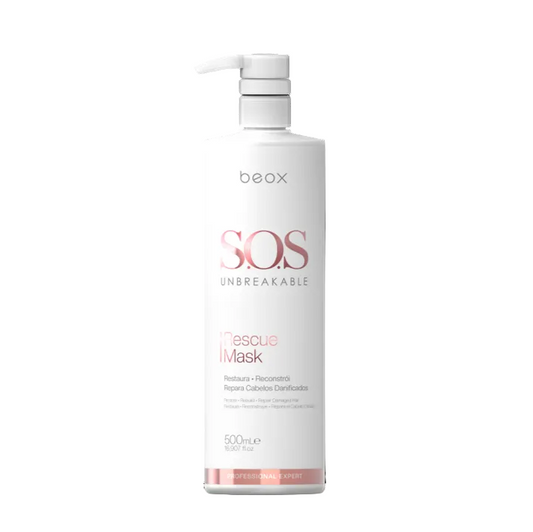
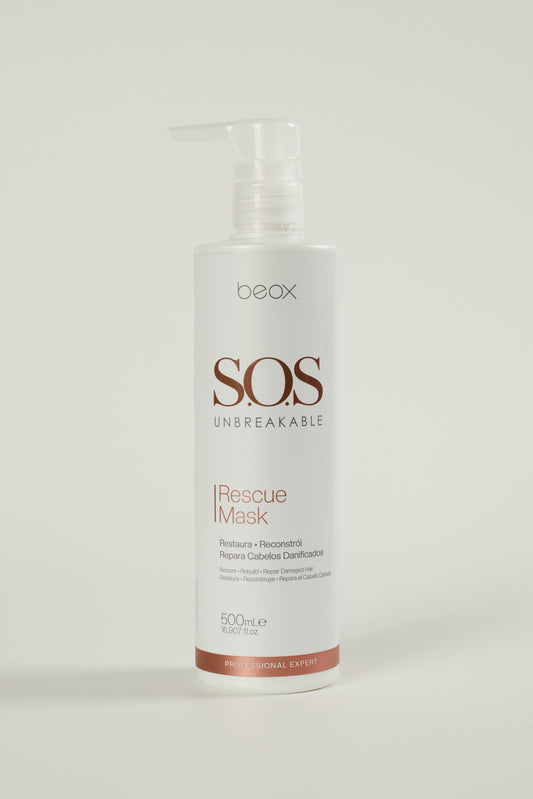
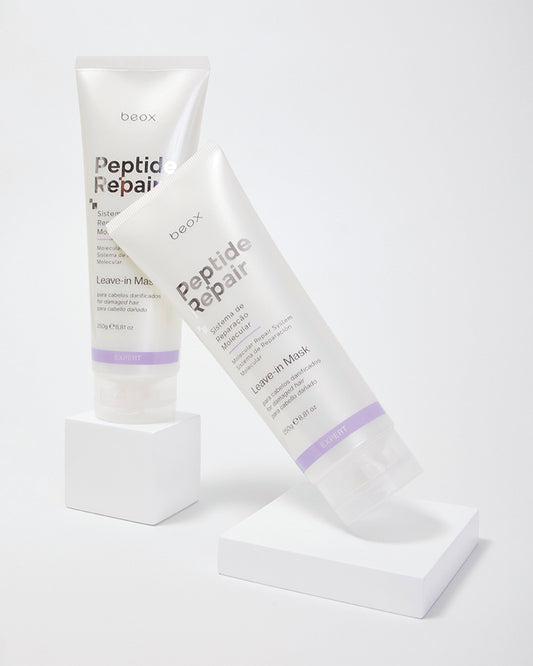
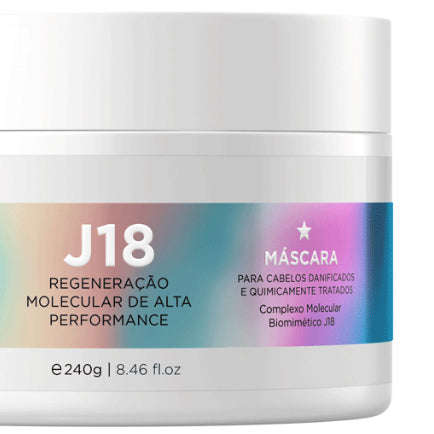
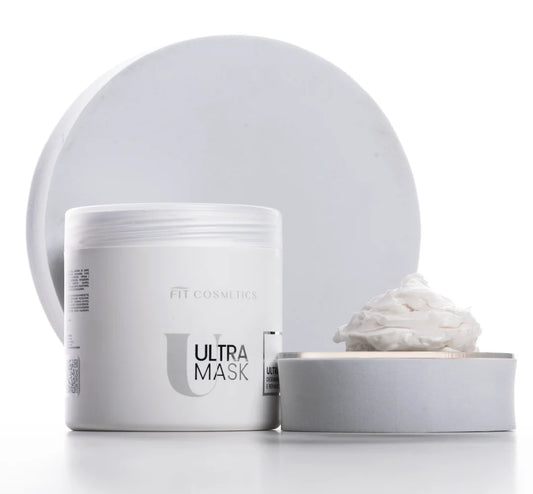
A professional hair mask is the most powerful at-home tool available for damaged hair. Unlike everyday conditioners that coat the surface and rinse away in minutes, a properly formulated repair mask penetrates the cortex during its processing time, delivering concentrated doses of proteins, ceramides, essential fatty acids, and humectants that rebuild the fiber from within.
The key differentiator between a professional mask and a retail conditioner is the active ingredient concentration and the molecular weight of those ingredients. Professional masks use low-molecular-weight proteins and peptides that physically enter the hair shaft rather than sitting on the surface. The result is genuine structural improvement — not just temporary softness. Integrating professional hair masks into a weekly repair routine produces cumulative results that no single in-salon treatment can replicate alone.
How to maximize the results of a professional hair mask:
- Apply to clean, towel-dried hair for optimal ingredient absorption
- Section hair and work the mask from mid-lengths to ends — the most damaged zones
- Use gentle heat (thermal cap or warm towel) to open the cuticle and deepen penetration
- Allow a minimum of 20–30 minutes of processing time for genuinely damaged hair
- Rinse with cool water to seal the cuticle and lock in repaired moisture
3. Hair Serums: Daily Protection and Progressive Repair
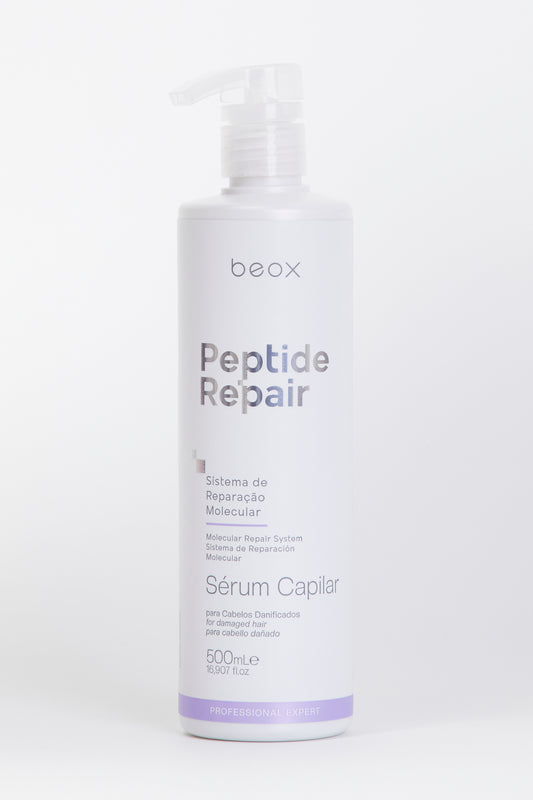
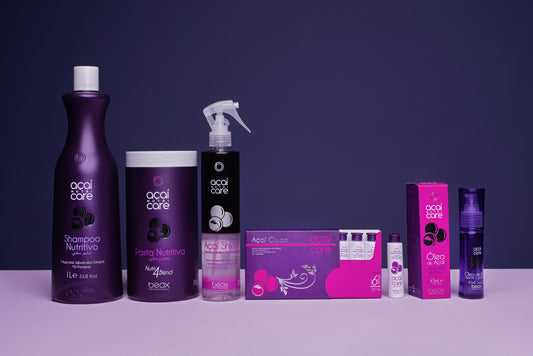
A professional hair serum completes the repair protocol by providing daily protection, surface refinement, and ongoing nourishment between intensive treatments. Unlike masks that require processing time, serums are leave-in formulas that work continuously — sealing the cuticle, blocking humidity and UV damage, providing thermal protection, and delivering active ingredients with every application.
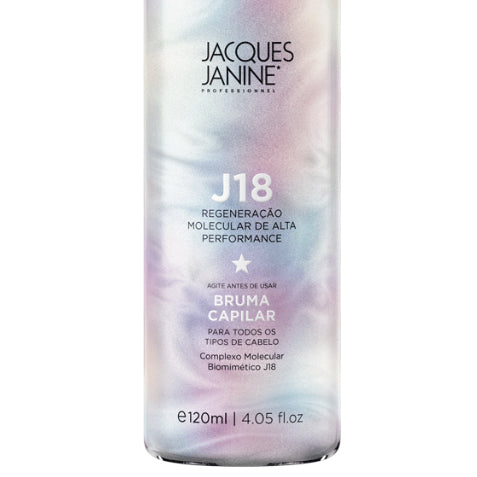
The best repair serums for damaged hair combine film-forming agents with nourishing actives — creating a protective barrier that prevents further degradation while progressively improving the hair's condition over time. This dual action makes the serum the most strategically important product in the daily hair repair routine. Choosing the right professional hair serum for your specific damage pattern can dramatically accelerate overall repair results and extend the life of in-salon treatments.
Key benefits of incorporating a professional hair serum into your daily routine:
- Continuous cuticle sealing that prevents moisture loss throughout the day
- Thermal protection up to 230°C when applied before heat styling
- Anti-humidity barrier that eliminates frizz and preserves smoothness
- UV filtering to prevent further color degradation and protein breakdown
- Progressive strengthening with every application — not just surface shine
How to Build a Complete Professional Hair Repair Protocol
The most effective approach to repairing damaged hair is not a single product — it is a layered, sequential protocol that addresses damage at every stage of the hair care routine. Professionals who guide their clients through a structured repair plan achieve dramatically better long-term results than those who rely on one-step solutions.
A complete professional hair repair protocol follows this structure:
- Step 1 – In-Salon Intensive Treatment: Apply a professional bond-rebuilding or protein restructuring treatment every 4 to 6 weeks to initiate and maintain deep structural repair.
- Step 2 – Weekly Hair Mask: Use a professional repair mask at home once or twice per week to sustain the repair process between salon visits and deliver concentrated active ingredients to the damaged fiber.
- Step 3 – Daily Hair Serum: Apply a leave-in repair serum daily on damp or dry hair to seal the cuticle, protect against environmental and thermal damage, and provide continuous progressive repair.
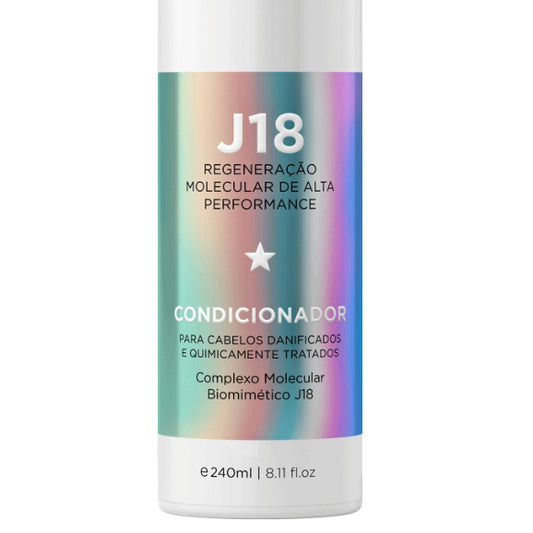
- Step 4 – Maintenance Shampoo and Conditioner: Use sulfate-free, repair-focused formulas that cleanse gently without stripping the hair's natural lipid barrier or disrupting the repair process.
- Step 5 – Lifestyle Adjustments: Reduce heat tool temperature, use microfiber towels, sleep on silk pillowcases, and increase dietary protein and omega-3 intake to support hair repair from within.
Consistency across all five steps is what separates a temporary improvement from a genuine, lasting transformation. Each layer of the protocol amplifies the effect of the others — creating a compounding repair effect that grows stronger over time.
Professional vs. Consumer Use: Understanding the Difference
The same product categories — treatments, masks, and serums — serve both salon professionals and home users, but the way they are applied and the results they generate differ significantly based on technique, knowledge, and consistency of use.
In a professional salon environment, the stylist controls every variable: the diagnosis of damage level, the selection of the correct product and concentration, the application method, processing time, heat activation, and the sequence of products. This expertise allows professionals to achieve results in a single session that would take weeks of home care to approximate.
For the home user, the most important factors are product quality, consistency, and correct application technique. A consumer who uses a professional-grade mask weekly and a quality serum daily — applied correctly — will see measurable improvement within 4 to 6 weeks. The critical investment is choosing professional-grade products rather than mass-market alternatives that rely on temporary cosmetic effects.
Key Ingredients to Look for in Hair Repair Products
Reading ingredient labels is one of the most powerful skills a professional or informed consumer can develop. The active ingredients in a product determine its actual repair capacity — not its marketing claims, fragrance, or packaging. Knowing which ingredients genuinely rebuild damaged hair allows for better purchasing decisions and better results.
High-performance ingredients for structural hair repair:
- Hydrolyzed keratin — penetrates the cortex and fills protein voids left by damage
- Bis-aminopropyl diglycol dimaleate — the active in bond-rebuilding technology; repairs broken disulfide bonds
- Hydrolyzed silk and wheat proteins — strengthen elasticity and improve moisture retention
- Ceramides — restore the lipid layer that holds the cuticle scales together
- Panthenol (pro-vitamin B5) — humectant that attracts and retains moisture inside the fiber
- Amino acids (arginine, cysteine, glutamic acid) — building blocks of the cortex proteins
- Argan and marula oil — deliver essential fatty acids that replenish surface lipids
Ingredients that actively worsen damage and should be avoided in repair products:
- Sodium lauryl sulfate (SLS) — strips the natural lipid barrier, worsening porosity
- Alcohol denat — dehydrates the fiber and causes cuticle lifting
- High-concentration synthetic fragrance — triggers inflammation and protein degradation
- Parabens — disrupt scalp health and follicle integrity over long-term use
How Long Does It Take to Repair Damaged Hair?
One of the most common questions from both clients and consumers is how quickly they can expect to see results from a professional hair repair protocol. The honest answer depends on three variables: the severity of the damage, the quality and consistency of the products used, and the degree to which additional damage is prevented during the repair period.
A general timeline for professional hair repair:
- After 1–2 sessions / 1–2 weeks: Immediate improvement in surface smoothness, shine, and manageability. Reduced breakage on brushing.
- After 4–6 weeks: Measurable improvement in tensile strength and elasticity. Significant reduction in porosity. Hair holds style better and resists humidity more effectively.
- After 3–6 months: Cumulative structural repair visible in new growth integration, reduced split ends, and sustained improvement in overall hair health.
It is important to set realistic expectations: severely bleached or over-processed hair cannot be fully restored to its original virgin state through topical products alone. However, a well-executed professional repair protocol can transform the appearance, feel, and resilience of even the most damaged hair — making it beautiful, manageable, and significantly healthier than before treatment began.
Frequently Asked Questions About Hair Repair Products for Damaged Hair
What is the most effective product for repairing severely damaged hair?
For severely damaged hair, the most effective solution is a combination of a professional bond-rebuilding treatment applied in-salon and a professional repair mask used weekly at home. The in-salon treatment initiates structural repair at the cortex level, while the mask sustains that repair between appointments. A daily leave-in serum completes the protocol by protecting the repaired fiber from further damage every day.
How often should I use a professional hair mask on damaged hair?
For genuinely damaged hair, a professional repair mask should be used one to two times per week. This frequency delivers consistent active ingredient doses to the fiber, sustaining the structural repair process between salon visits. As the hair's condition improves over weeks and months, the frequency can be reduced to once weekly for maintenance.
Can a hair serum replace a hair mask for damaged hair?
No — a hair serum and a hair mask serve different functions and work best when used together. A mask is a deep-treatment formula that penetrates the cortex during a processing period to deliver intensive structural repair. A serum is a leave-in formula that provides daily surface protection, cuticle sealing, and progressive nourishment. Neither product alone delivers the full benefit of both used together in a complete repair protocol.
Are professional hair repair products suitable for color-treated hair?
Yes. The majority of professional hair repair products are specifically formulated to be compatible with color-treated, bleached, and chemically processed hair. In fact, color-treated hair is among the most common damage profiles requiring repair, and professional repair protocols are regularly used immediately following color services to restore structural integrity and seal the cuticle. Always confirm compatibility on the product label or consult your stylist.
How do I know if my hair is damaged enough to require professional repair products?
The most reliable signs that your hair requires professional repair products include: excessive breakage when brushing or styling, high porosity (hair that absorbs water instantly but dries quickly and loses moisture fast), lack of elasticity (hair that snaps rather than stretches), rough texture even after conditioning, persistent frizz that does not respond to styling products, and visible split ends or thinning along the length. If you notice three or more of these signs, a professional repair protocol is strongly recommended.