Best Products for Chemically Treated Hair: The Complete Guide
Lip Store.euShare
If your hair has been colored, bleached, relaxed, or permed, you already know the struggle: dryness, breakage, dullness, and loss of elasticity that no ordinary shampoo can fix. Chemically treated hair requires a fundamentally different approach — one built on science, precision, and the right active ingredients. This guide gives you everything you need to restore, protect, and maintain your hair at a professional level.
Why Chemically Treated Hair Needs Specialized Care
Chemical processes alter the hair's internal structure by breaking down disulfide bonds, lifting the cuticle, and compromising the cortex. The result is hair that is structurally weakened, more porous, and highly vulnerable to external damage. Standard haircare products are not formulated to address these specific needs.
The consequences of neglecting proper post-chemical care include:
- Severe dehydration and brittle texture
- Increased breakage and split ends
- Color fading and uneven tone
- Loss of natural elasticity and softness
- Scalp sensitivity and irritation
Investing in targeted haircare is not optional — it is the only way to maintain both the health and the aesthetic result of any chemical treatment.
What to Look for in Products for Chemically Treated Hair
Not all products marketed for treated hair deliver real results. To make an informed choice, focus on formulas that include these high-performance active ingredients:
- Hydrolyzed keratin – rebuilds the internal protein structure
- Amino acids – reinforce elasticity and prevent breakage
- Panthenol (Pro-Vitamin B5) – deep hydration and shine
- Argan oil or Marula oil – seals the cuticle and protects against heat
- Hyaluronic acid – intense moisture retention
- Biotin – strengthens the hair shaft from within
Avoid formulas containing sulfates, parabens, and alcohol-based compounds, which strip moisture and accelerate structural degradation in treated hair.
The Essential Routine for Chemically Treated Hair
Step 1: Repair Shampoo
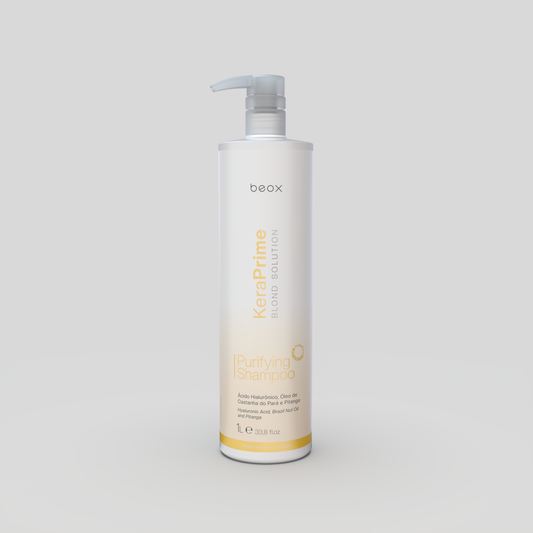
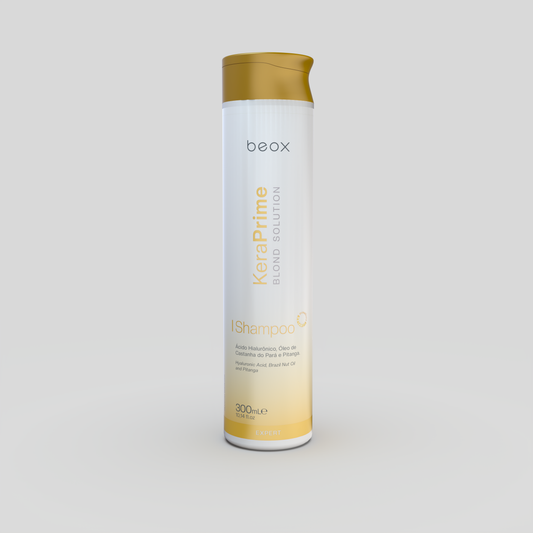
Begin with a sulfate-free shampoo specifically formulated for chemically treated hair. Look for formulas enriched with keratin and amino acids that cleanse gently while depositing reparative actives directly into the hair shaft. Wash no more than 2–3 times per week to preserve moisture.
Step 2: Reconstructive Conditioner
A high-performance conditioner is non-negotiable. Apply from mid-lengths to ends, leave for 2–5 minutes, and rinse with cold water to seal the cuticle. This step is critical for restoring softness, manageability, and protection after each wash.
Step 3: Deep Treatment Mask
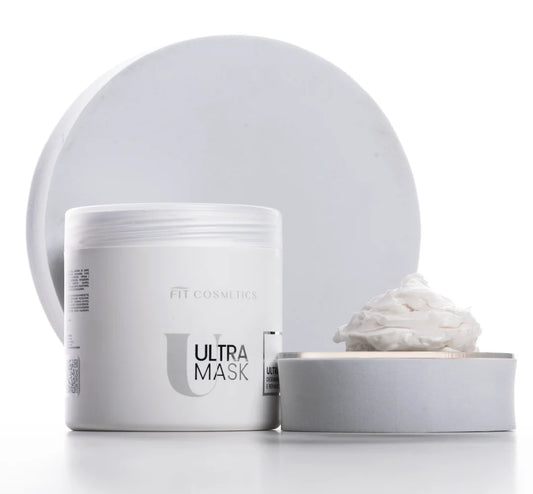
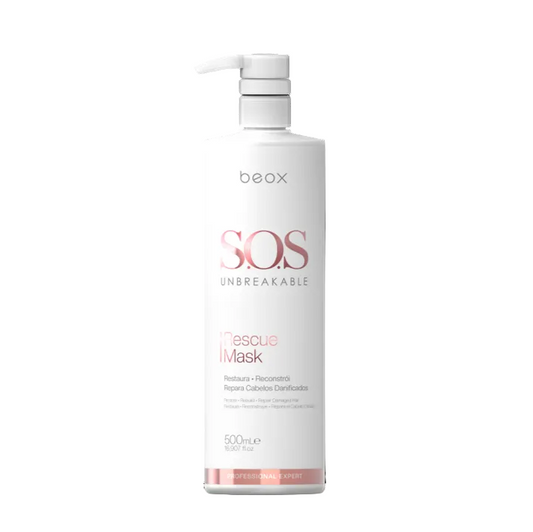
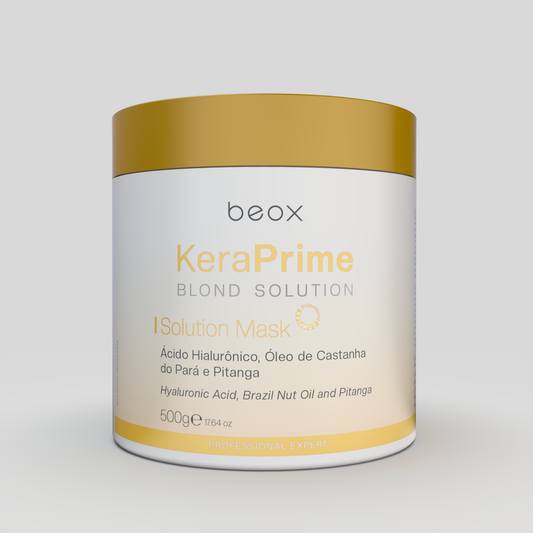
Use a professional-grade hair mask once or twice per week. Deep treatments penetrate the cortex to repair bonds, restore protein balance, and deliver lasting hydration that surface conditioners cannot achieve. This is the most impactful step in any reparative routine.
Step 4: Leave-In and Thermal Protectant
Before styling, always apply a leave-in treatment or thermal protectant. Chemically treated hair is far more vulnerable to heat damage than virgin hair — a high-quality protectant can make the difference between gradual recovery and ongoing damage.
Step 5: Finishing Serum or Oil
Finish with a lightweight serum or natural oil to seal moisture, add shine, and protect against humidity and environmental stress. Applied to dry hair, a finishing serum transforms the appearance and feel of even heavily treated strands.
Professional vs. Consumer: Which Products Are Right for You?
Both salon professionals and at-home users can achieve outstanding results — provided they choose formulas aligned with their specific hair condition and treatment history.
For salon professionals: prioritize high-concentration active formulas, bond-building treatments, and professional in-salon masks designed for intensive application under heat. These products deliver measurable transformation in a single session and are ideal for clients with severe damage.
For home users: build a consistent daily and weekly routine using salon-quality products available for home use. Consistency over time produces cumulative results — a single wash will not reverse months of chemical exposure, but a well-structured routine will.
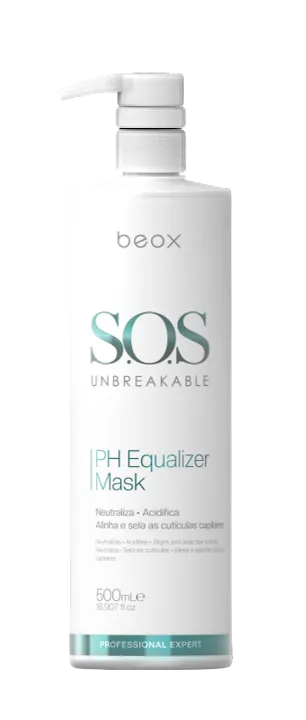
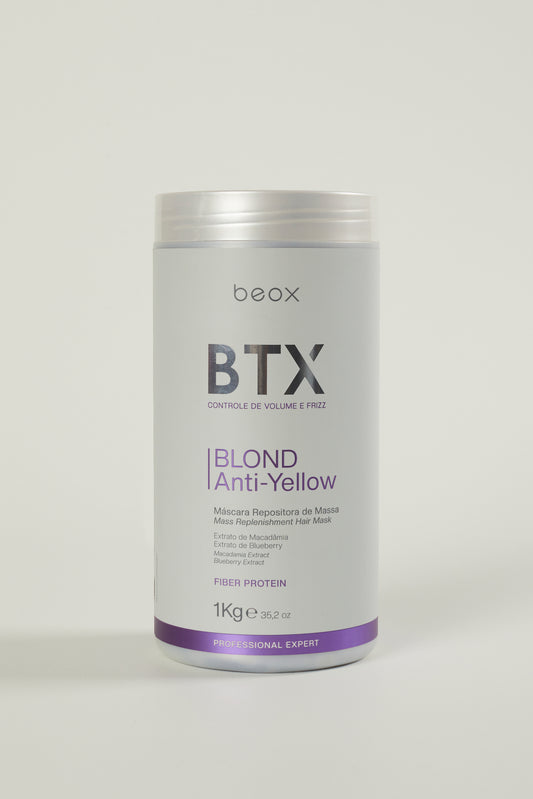
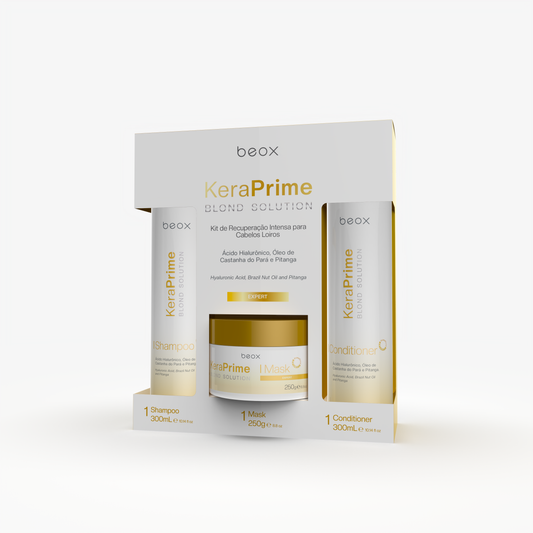
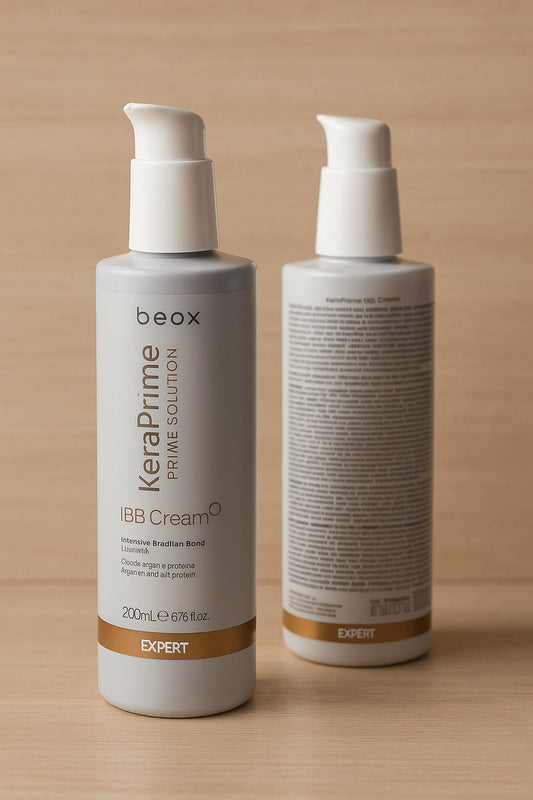
Whether you are a stylist managing client results or an individual rebuilding your hair health, explore our curated selection of products for chemically treated hair and discover the professional-grade formulas trusted by experts worldwide. For targeted recovery, our full range of hair repair products offers solutions for every level of damage.
How to Choose the Right Product Based on Damage Level
Not all chemically treated hair is equal. The right product depends on how much structural damage has occurred:
- Mild damage (single color treatment): focus on hydration and color protection
- Moderate damage (bleaching or repeated treatments): add reconstructive masks and bond repair
- Severe damage (multiple bleaching, relaxing, or heat abuse): intensive bond-building therapy + protein reconstruction
Starting with an honest assessment of your hair's condition is the key to choosing the right protocol and avoiding over-treating or under-treating.
Frequently Asked Questions
How often should I use a hair mask for chemically treated hair?
For moderately treated hair, once a week is sufficient. For heavily processed or severely damaged hair, two applications per week will accelerate repair and restore structural integrity more rapidly.
Can I use regular shampoo on chemically treated hair?
It is strongly advised against. Regular shampoos contain sulfates and harsh cleansing agents that strip color, remove essential lipids, and accelerate structural deterioration. Always use a sulfate-free formula designed specifically for treated hair.
How long does it take to repair chemically treated hair?
With a consistent professional routine, visible improvement is typically noticeable within 4–6 weeks. Full structural recovery depends on the severity of damage and whether the root cause (excessive heat, chemical overload) has been eliminated from the routine.
Are protein treatments safe for chemically treated hair?
Yes — and they are often essential. Protein treatments rebuild the internal keratin structure compromised by chemical processes. However, balance is key: excessive protein without moisture causes stiffness and brittleness. Always follow a protein treatment with deep hydration.
What ingredients should I avoid in products for chemically treated hair?
Avoid sulfates (SLS, SLES), parabens, formaldehyde-releasing agents, and high concentrations of alcohol. These ingredients degrade the cuticle, accelerate color fade, and worsen structural damage. Choose transparent, clean-label formulas with proven active ingredients.