Best Treatment for Damaged Hair in Europe: The Complete Professional Guide
Lip Store.euShare
Damaged hair is one of the most common concerns across European salons — from the humidity-heavy coastlines of Portugal to the hard water zones of Central Europe, environmental and chemical stressors leave millions of clients with brittle, porous, and structurally compromised hair. But not all damage is the same, and not all treatments are equal. This guide breaks down the best treatment for damaged hair available to both salon professionals and end consumers across Europe — with expert precision and zero guesswork.
Understanding Hair Damage: Why Treatment Choice Matters
Before selecting a treatment, it is essential to understand what type of damage is present. Hair damage falls into several distinct categories, each requiring a different therapeutic approach. Applying the wrong treatment to the wrong damage type wastes time and money — and can even worsen the hair's condition.
The primary types of hair damage encountered in European salons include:
- Chemical damage: Caused by bleaching, perming, relaxing, or excessive coloring — leaves the hair porous, swollen cuticles, and structurally weak
- Heat damage: Prolonged exposure to flat irons, blow dryers, and curling wands without thermal protection — causes cuticle lifting, moisture loss, and protein degradation
- Mechanical damage: Aggressive brushing, tight hairstyles, and friction from fabrics — leads to breakage, split ends, and cuticle abrasion
- Environmental damage: UV radiation, pollution, chlorine, salt water, and mineral-rich hard water — all of which erode the hair's protective outer layer and deplete internal protein reserves
- Nutritional and hormonal damage: Internal deficiencies in protein, iron, zinc, or biotin — result in hair that is thin, lacking density, and prone to excessive shedding
A thorough assessment of the damage type — through a professional consultation and porosity test — is the foundation of any effective repair protocol. Guessing leads to generic results. Diagnosing leads to transformation.
The Best Professional Treatments for Damaged Hair in Europe
European salon professionals have access to some of the most advanced hair repair technologies available globally. The treatments that consistently deliver the highest results for damaged hair fall into three primary categories: protein reconstruction, deep hydration, and smoothing sealing treatments.
1. Brazilian Keratin Treatment
Among the most powerful and widely adopted smoothing and repair treatments in European salons, the Brazilian keratin treatment stands apart for its dual action: it simultaneously repairs the hair's internal protein structure and seals the cuticle using heat-activated bonding. The result is hair that is not only dramatically smoother and shinier, but structurally stronger and more resistant to future damage.
Brazilian keratin treatment is particularly effective for hair that has suffered from chemical over-processing, heat damage, or persistent frizz — conditions that are extremely prevalent across European climates, particularly in coastal and high-humidity regions. The treatment infuses hydrolyzed keratin proteins deep into the cortex, rebuilding the scaffolding that damage has eroded, while the flat iron sealing process locks those proteins in place for months.
For salon professionals seeking a complete overview of formulas, application techniques, and expected outcomes, our in-depth guide to Brazilian keratin treatment covers everything from client assessment to aftercare protocols — equipping you to deliver superior results on every application.
2. Hair Botox and Protein Reconstruction Treatments
For hair that is severely depleted — fine, brittle, over-bleached, or lacking in density — protein reconstruction treatments such as hair botox represent the gold standard of internal repair. These treatments work by filling the hollow cortex of each damaged strand with a concentrated blend of proteins, amino acids, hyaluronic acid, and vitamins.
Unlike keratin treatment, which focuses primarily on sealing and smoothing, protein reconstruction rebuilds from within — restoring elasticity, reducing breakage, and giving hair a fuller, healthier appearance. This approach is especially valuable in Northern and Central European markets where hard water and cold, dry climates create chronic protein depletion in hair.
3. Deep Conditioning and Bond-Repairing Treatments
Bond repair treatments — represented by technologies such as amino acid bonding systems — target the disulfide and hydrogen bonds within the hair shaft that are broken by bleach, color, and chemical processes. By reforming these bonds, they restore structural integrity at the molecular level, reducing breakage by up to 90% with consistent use.
Deep conditioning treatments paired with bond repair technology represent the most comprehensive approach to chemically damaged hair — particularly relevant for European clients who color frequently or maintain highlighted, balayage, or bleached styles that require ongoing structural support.
The Role of Aftercare in Maximizing Treatment Results
No professional treatment reaches its full potential without the correct aftercare. In the European market, where clients often use hard water at home and are exposed to varying humidity levels throughout the year, the aftercare routine is as important as the treatment itself.
The non-negotiable aftercare fundamentals for damaged hair include:
- Sulfate-free shampoos that cleanse without stripping the cuticle or protein coating
- Weekly or bi-weekly deep conditioning or protein mask application
- Heat protectant products applied before any thermal styling tool
- Leave-in treatments and serums that maintain moisture balance between washes
- UV-protective hair products — especially important for Mediterranean and Southern European clients with high sun exposure
- Silk or satin sleep accessories to reduce overnight friction and moisture loss
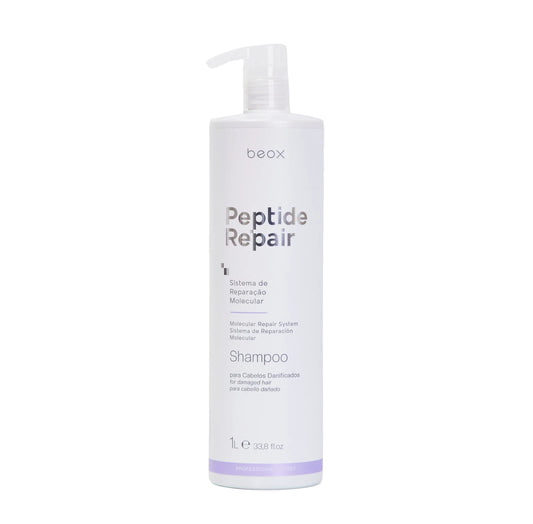
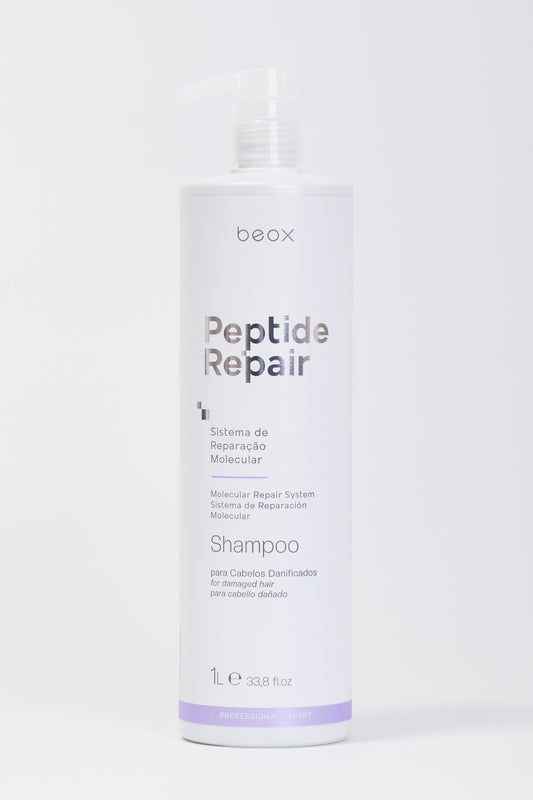
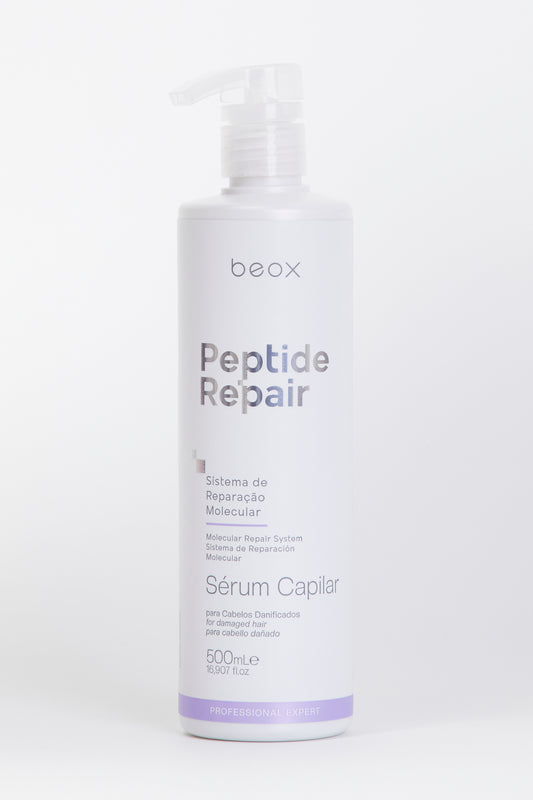
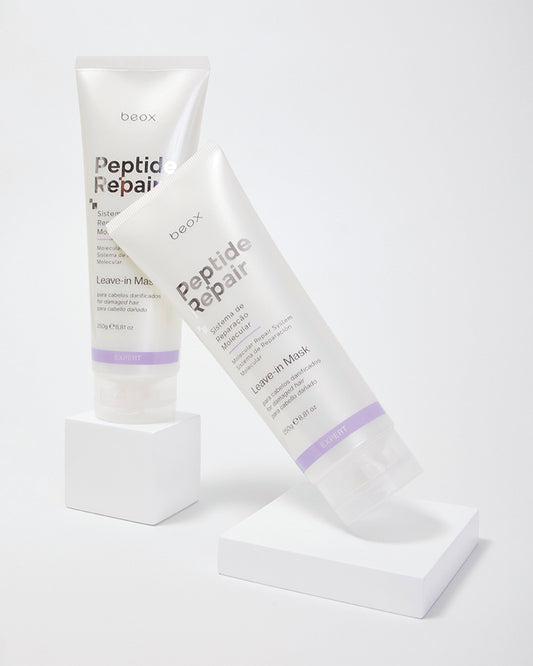
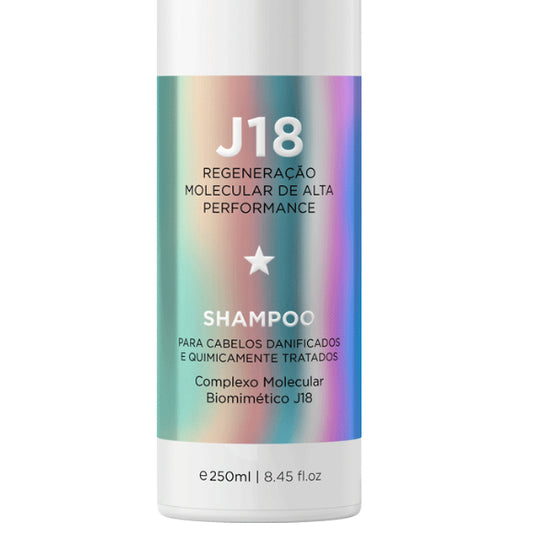
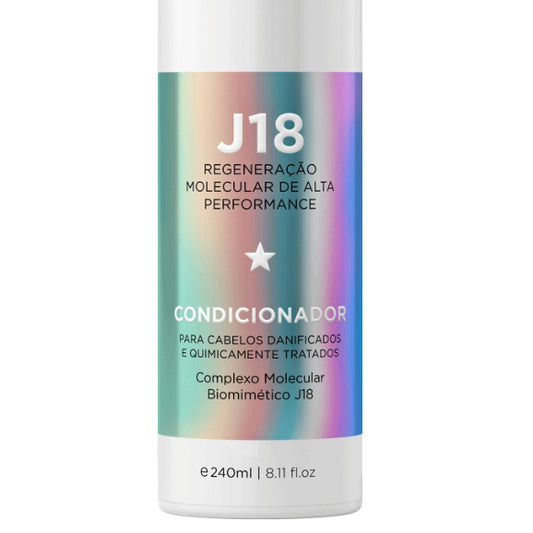
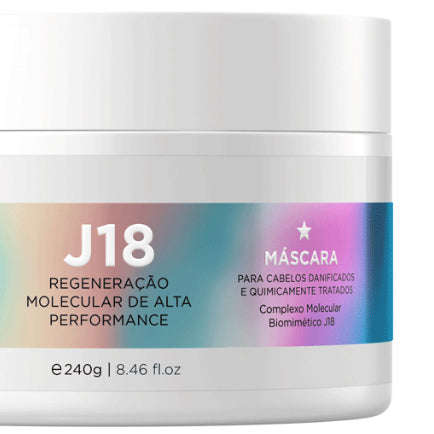
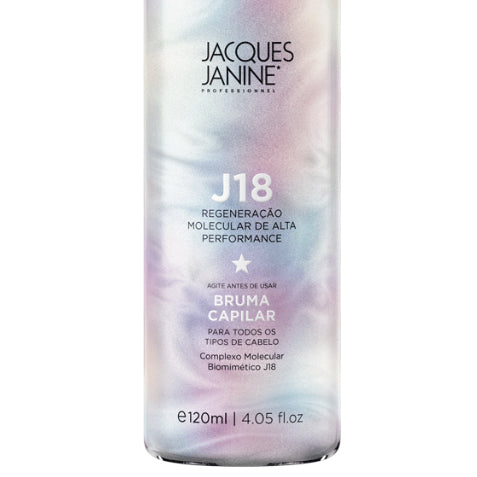
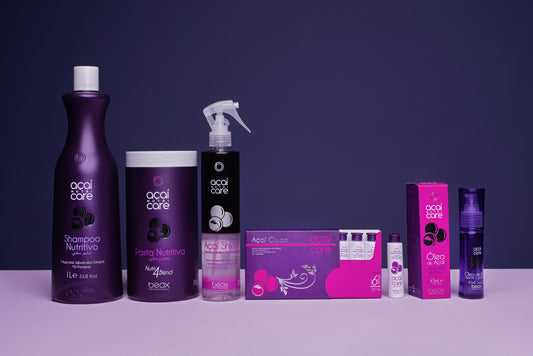
For salon professionals looking to offer clients a complete repair system, our curated range of professional hair repair products is specifically formulated to extend and enhance the results of in-salon treatments — delivering measurable improvement between appointments and keeping clients returning.
How to Choose the Right Treatment for Each Client
Selecting the most appropriate treatment requires a structured consultation process. The following decision framework helps salon professionals match the right protocol to each client's specific damage profile.
For chemically damaged, over-processed hair:
Prioritize protein reconstruction (hair botox) as a first step to rebuild internal structure, followed by a Brazilian keratin treatment to seal, smooth, and protect. This two-stage approach is the most effective protocol for hair that has been significantly compromised by bleach, color, or chemical relaxers.
For heat-damaged hair with frizz and dryness:
A Brazilian keratin treatment alone delivers exceptional results — repairing surface damage, sealing the cuticle, and providing lasting smoothness and shine. Combine with a professional aftercare routine using sulfate-free products to extend results toward the 5 to 6 month mark.
For fine or thinning hair lacking density:
Deep protein treatments and hair botox protocols are the correct primary approach — they restore plumpness, improve elasticity, and create the appearance of fuller, denser hair without the added weight of heavy sealing formulas.
For color-treated hair needing repair between appointments:
Bond repair treatments combined with weekly protein masks and a professional aftercare system deliver ongoing structural support — preserving color vibrancy, reducing breakage, and maintaining the integrity of highlighted or bleached strands between salon visits.
European Market Specifics: Why Local Conditions Matter
The European market presents a unique set of hair care challenges that influence treatment selection and efficacy. Hard water — prevalent across Germany, the United Kingdom, Scandinavia, and much of Central Europe — contains high concentrations of calcium and magnesium minerals that build up on the hair shaft, increase porosity, and significantly reduce the longevity of both color and smoothing treatments.
Coastal regions in Southern Europe — including Spain, Italy, Portugal, and Greece — expose hair to high UV radiation, salt air, and seasonal humidity extremes that accelerate cuticle erosion and protein loss. Salon professionals operating in these regions should prioritize UV-protective formulas and recommend more frequent maintenance treatments to clients who spend significant time outdoors.
In Northern Europe, cold and dry climates — combined with central heating indoors — create chronic dehydration of the hair fiber. Hydration-focused treatments, rich conditioning systems, and products with humectant and emollient properties are essential components of any effective repair protocol in these markets.
Why Professional-Grade Treatments Outperform Consumer Products
A question frequently raised by informed clients is whether professional salon treatments deliver meaningfully better results than high-quality consumer products purchased online. The answer, from an expert standpoint, is unequivocally yes — for three fundamental reasons.
First, professional formulas contain significantly higher concentrations of active ingredients — including hydrolyzed proteins, amino acid complexes, and bonding agents — than anything available over the counter. Regulatory differences between professional and consumer product categories in Europe allow salon-grade formulas to use ingredient concentrations that are simply not permitted in retail products.
Second, professional treatments are activated by heat, pressure, and specific application techniques that dramatically amplify penetration depth and bonding efficiency. A professional application at the correct temperature, using the correct sectioning and processing method, achieves a structural result that no topical consumer product — regardless of price — can replicate.
Third, the professional consultation process — assessing hair type, damage level, porosity, and chemical history — ensures the treatment is precisely matched to the hair's needs. Consumer products offer a one-size-fits-all formulation that inevitably misses the mark for complex or severely damaged hair.
Frequently Asked Questions: Best Treatment for Damaged Hair in Europe
What is the most effective treatment for severely damaged hair?
For severely damaged hair — particularly hair that has been bleached, chemically relaxed, or heavily color-treated — a two-stage protocol is the most effective approach. Begin with a protein reconstruction treatment (such as hair botox) to rebuild the hair's internal cortex and restore elasticity. Follow with a Brazilian keratin treatment to seal the cuticle, smooth the surface, and protect the repaired structure for months. This combination addresses both internal and external damage simultaneously and delivers results that neither treatment alone can achieve.
How long do professional hair repair treatments last in European conditions?
Duration varies by treatment type, hair condition, and regional environmental factors. Brazilian keratin treatments typically last 3 to 6 months; protein reconstruction treatments such as hair botox last 2 to 4 months. In hard water areas — common across much of Northern and Central Europe — longevity may be reduced unless clients use chelating or clarifying products regularly to remove mineral buildup. Sulfate-free aftercare products and professional maintenance masks significantly extend all treatment results.
Is Brazilian keratin treatment safe for color-treated hair?
Yes — when applied using a certified, formaldehyde-free professional formula, Brazilian keratin treatment is safe for color-treated, highlighted, and bleached hair. In fact, it actively reinforces the structural integrity that chemical coloring processes compromise. One consideration: keratin treatment can slightly alter color tone on very light blondes, so timing the application 2 to 3 weeks after a fresh coloring session is the recommended professional protocol.
Can damaged hair be fully repaired, or only improved?
Hair that has suffered structural damage — particularly from bleach or repeated chemical processing — cannot be fully restored to its virgin state. The damage to disulfide bonds and the cortex is, in some cases, permanent. However, professional treatments can dramatically improve the hair's appearance, texture, strength, and manageability. With a consistent repair protocol and correct aftercare, most clients see their hair transformed to a condition that feels and behaves as if it were healthy — even if the underlying chemistry has been altered.
How often should damaged hair receive professional treatment in a salon?
For moderately damaged hair, a professional treatment every 3 to 4 months — aligned with the natural cycle of most smoothing and protein treatments — is sufficient to maintain measurable improvement. For severely damaged hair undergoing active repair, an intensive initial course of two to three treatments spaced 4 to 6 weeks apart is recommended, followed by regular quarterly maintenance. Between appointments, a professional aftercare system — including repair products and weekly conditioning masks — is essential to sustain and build upon in-salon results.