Best Weekly Hair Care Routine for Healthy, Strong Hair
Lip Store.euShare
Most people wash their hair and hope for the best. But if your hair is dull, dry, or breaking faster than it grows, the problem isn't your genetics — it's your routine. A structured weekly hair care routine is the single most effective strategy for achieving lasting results, whether you're a salon professional or managing your hair at home.
Why a Weekly Hair Care Routine Makes All the Difference
Daily habits matter, but it's the weekly ritual that truly transforms hair health. Each week, your hair faces environmental stress, heat exposure, chemical buildup, and mechanical damage. Without a structured approach to repair and prevention, these cumulative effects lead to breakage, frizz, and loss of shine.
A well-designed weekly routine works on three levels: it cleanses the scalp and strand, replenishes lost nutrients, and seals the cuticle for protection. When these three pillars align, the results are visible — smoother texture, stronger strands, and consistent growth.
The Complete Weekly Hair Care Routine, Step by Step
Day 1 — Deep Cleansing and Scalp Care
Begin your routine with a clarifying or sulfate-free shampoo depending on your scalp type. The goal is to remove product buildup, excess sebum, and environmental residue without stripping the hair's natural moisture barrier. Massage the scalp for at least two minutes to stimulate blood flow and encourage follicle activity.
- Use lukewarm water — never hot — to avoid cuticle damage
- Apply shampoo to the scalp, not the lengths
- Rinse thoroughly before conditioning
Day 1 — Deep Conditioning with a Professional Hair Mask
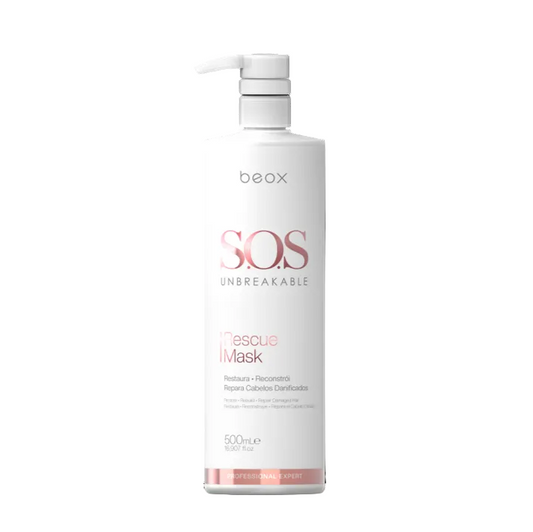
Immediately after shampooing, apply a deep conditioning treatment to damp hair. This is the most critical step in the entire routine. A professional-grade formula penetrates the cortex, repairs internal structure, and rebuilds protein bonds weakened by daily stress.
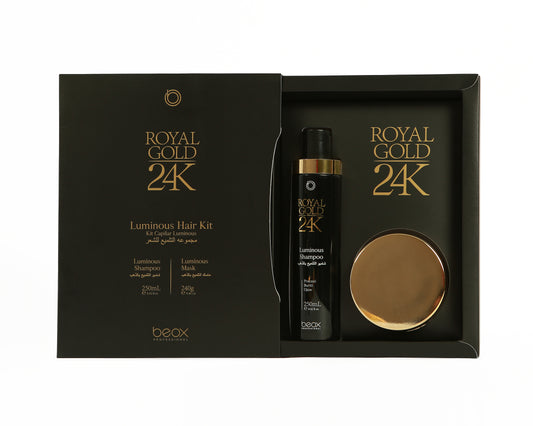
Leave the mask on for a minimum of 10 to 20 minutes — or longer for severely damaged hair. Use a shower cap and gentle heat to enhance penetration. For clients and professionals looking for results that last beyond the salon chair, incorporating a professional hair mask into the weekly routine is non-negotiable.
- Apply from mid-lengths to ends — avoid the scalp unless specified
- Distribute evenly using a wide-tooth comb
- Rinse with cool water to seal the cuticle
Day 2 or 3 — Scalp and Length Nourishment with Hair Oil
Between washes, mid-week is the ideal moment for an oil treatment. Hair oils penetrate the cortex (depending on molecular weight), provide elasticity, reduce frizz, and add a natural, healthy-looking sheen. They also protect against hygral fatigue — the damage caused by repeated swelling and drying of the hair fiber.
Apply a few drops of a lightweight or rich oil depending on your hair's porosity. Low-porosity hair benefits from lighter oils applied after washing; high-porosity hair responds well to pre-wash oil treatments. Selecting the right professional hair oil based on your hair type is what separates good results from exceptional ones.
- Warm the oil slightly between your palms before applying
- Concentrate on the ends and areas prone to breakage
- Can be used as a pre-wash treatment or leave-in finishing step
Day 4 or 5 — Protective Styling and Serum Application
By mid to late week, your hair is cleansed, conditioned, and nourished. Now is the time to protect what you've built. A hair serum adds a final layer of protection against humidity, heat, and friction. Unlike oils, serums are typically silicone-based or hybrid formulas that coat the cuticle without adding weight.
Apply a small amount to towel-dried or dry hair before any heat styling. The right professional hair serum creates a thermal barrier, locks in moisture, and delivers a mirror-like shine that signals hair in peak condition.
- Use sparingly — a pea-sized amount is usually sufficient
- Work through the lengths from root to tip, avoiding the scalp
- Ideal before blowouts, straightening, or any heat tool use
Day 6 — Rest, Refresh, and Scalp Balance
Give your hair a break. On day six, avoid heavy products and let the scalp breathe. If needed, use a dry shampoo on the roots only. This rest day allows your natural sebum to redistribute, which is essential for maintaining scalp health and avoiding overproduction of oil triggered by over-cleansing.
Day 7 — Assessment and Preparation
Before starting the cycle again, take a moment to assess your hair's condition. Is it retaining moisture? Are the ends still sealed? Is there visible breakage? Use these observations to adjust the next week's routine — increase mask frequency if hair feels dry, or reduce oil application if roots feel heavy. This iterative approach is what professional stylists use to continuously improve their clients' hair health.
Professional Tips to Maximize Your Routine
- Consistency is the foundation: Even the best products deliver limited results without a consistent schedule
- Layer products strategically: Apply from lightest to heaviest — serum, then oil, never the reverse
- Water quality matters: Hard water deposits minerals that block product absorption; use a filter if possible
- Protein-moisture balance: Too much protein causes brittleness; too much moisture causes limpness — alternate treatments
- Sleep protection: Use a silk or satin pillowcase to reduce overnight friction and frizz
Adapting the Routine for Different Hair Types
There is no universal routine. Fine hair needs lighter formulas and less frequent masking. Thick or coarse hair benefits from heavier treatments and extended processing times. Curly and coily hair types require extra moisture and more frequent oil application. Color-treated hair needs additional protein support and sulfate-free cleansers at every step.
The structure of the routine remains the same across all hair types — only the product selection and frequency change. Understanding your hair's specific needs is the difference between maintenance and transformation.
Frequently Asked Questions
How often should I use a hair mask in my weekly routine?
For most hair types, once per week is sufficient. Damaged, color-treated, or chemically processed hair may benefit from two applications per week. Fine hair should limit mask use to every 10–14 days to avoid weighing down the strands.
Can I use a hair oil and a hair serum in the same routine?
Yes. Hair oils and serums serve different functions. Oils nourish and penetrate, while serums coat and protect. Apply the serum last to seal in the benefits of the oil treatment. Avoid using both in excess — start with small amounts and adjust.
What is the best order to apply hair care products?
The correct order is: shampoo, conditioner or mask, leave-in treatment, oil, then serum. This layering system ensures each product can perform its function without being blocked by a heavier formula applied first.
How long does it take to see results from a consistent hair care routine?
Most people notice improvements in texture and shine within two to four weeks. Structural repair — reduced breakage and improved elasticity — typically becomes visible after six to eight weeks of consistent application.
Is a professional hair routine different from a consumer routine?
The structure is identical. The difference lies in product concentration and formulation. Professional-grade products contain higher active ingredient concentrations, delivering faster and more lasting results. This is why salon professionals achieve results that are difficult to replicate with standard retail formulas.