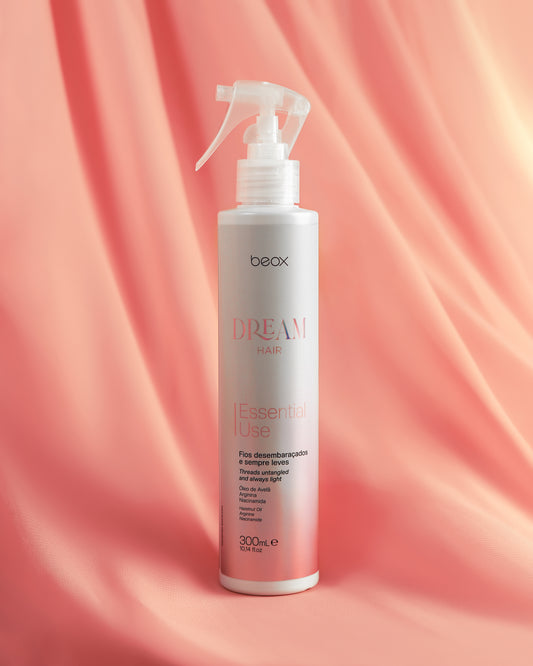
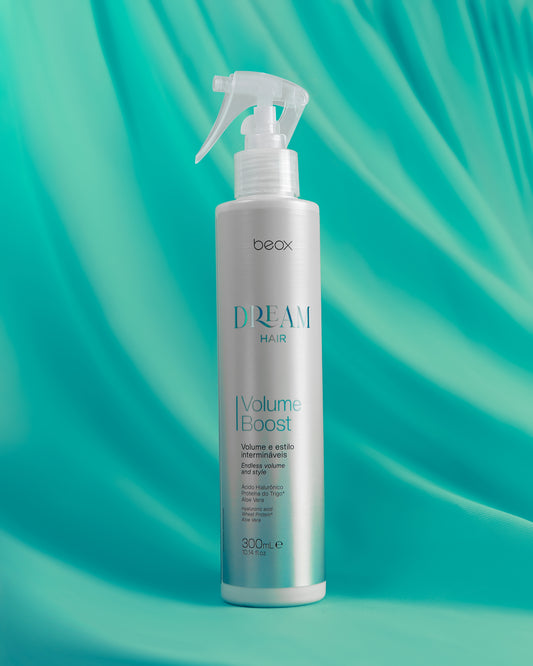
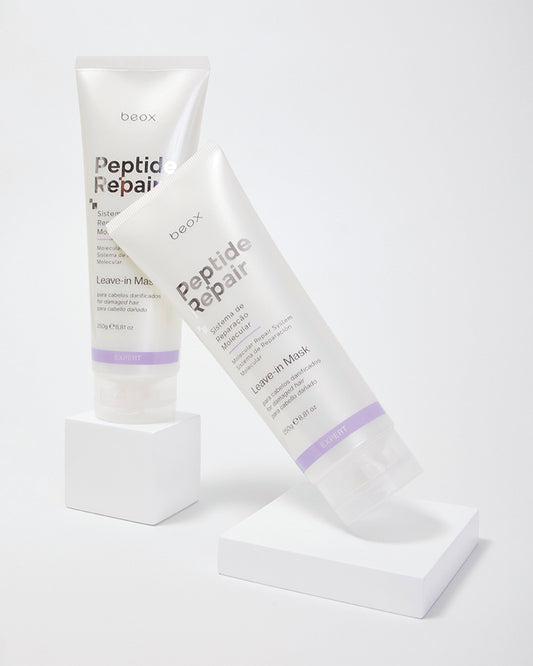
Do You Really Need Heat Protection for Your Hair? The Truth from Professionals
Lip Store.euShare
You've heard it a thousand times — always use heat protection before styling. But is it truly necessary, or is it just another product the beauty industry wants you to buy? The answer is unambiguous, and once you understand what heat actually does to your hair at a structural level, you will never skip this step again. Heat protection is not optional. It is the difference between hair that ages gracefully and hair that deteriorates with every styling session.
What Heat Actually Does to Your Hair
Hair is composed primarily of keratin, a fibrous structural protein organized in a complex internal architecture. When heat is applied — whether from a blow dryer, flat iron, or curling wand — temperatures above 150°C (302°F) begin to break down the hydrogen bonds that give hair its shape and elasticity. Above 230°C (446°F), the damage becomes irreversible: the protein structure denatures, the cuticle cracks, and the cortex loses its integrity permanently.
What you see on the outside — frizz, dryness, split ends, and dullness — is the visible evidence of this internal destruction. Repeated heat exposure without protection accelerates this process exponentially, and no conditioning treatment can fully reverse structural protein loss once it has occurred.
The Science Behind Heat Protection Products
Heat protectants work through a combination of mechanisms. They coat the cuticle with a film — typically made from silicones, polymers, or plant-derived actives — that absorbs and distributes thermal energy more evenly across the hair strand. This slows the rate of heat penetration and prevents localized overheating, which is the primary cause of structural damage.
High-quality formulas also contain humectants that maintain moisture levels during styling, amino acids that reinforce the protein matrix, and antioxidants that neutralize free radicals generated by thermal stress. The result is a strand that can withstand the demands of professional styling tools without sacrificing its structural integrity.
Who Needs Heat Protection — and Who Needs It Most
The short answer: everyone who uses heat on their hair. But the urgency varies significantly by hair type and condition.
- Fine hair: Reaches damaging temperatures faster due to lower mass — highest priority for heat protection
- Color-treated hair: The chemical process already compromises the cuticle, making heat damage far more severe and visible
- Bleached or highlighted hair: Structurally the most vulnerable — heat protection is non-negotiable
- Thick or coarse hair: Requires higher heat to style, meaning longer exposure time — protection is essential
- Curly and coily hair: Naturally drier and more porous, absorbs heat unevenly — protection helps distribute heat uniformly
For salon professionals, heat protection is not a personal recommendation — it is a professional standard. Every service that involves thermal tools demands its application, both to protect the client's hair and to ensure the longevity of the styling result.
Choosing the Right Heat Protection for Your Tools and Hair Type
Not all heat protectants are created equal. The effectiveness of a formula depends on its maximum temperature rating, its delivery system (spray, cream, serum, or oil), and its compatibility with your hair type. A spray formula works well for fine hair as it distributes evenly without weight. A cream or serum is more appropriate for thick, coarse, or highly porous hair that needs heavier coverage and additional moisture.
Using a professional heat protection product rated for the temperature range of your specific tools is the most critical factor. A protectant rated to 180°C offers no meaningful protection when used with a tool set to 230°C. Always match your protectant to your maximum styling temperature.
- Check the maximum temperature rating on the label before purchasing
- Apply to damp hair before blow drying, or to dry hair before flat ironing
- Distribute evenly through lengths and ends — avoid the scalp
- Allow the product to fully coat the strand before applying heat
Heat Protection and Professional Styling Tools
The quality of your styling tools directly influences how much damage occurs — even when protection is used. Tools with inconsistent heat distribution, cheap ceramic plates, or unreliable temperature controls create hot spots that concentrate damage at specific points along the strand. This is why professional-grade tools are not a luxury — they are a prerequisite for safe, effective heat styling.
When using professional hair dryers equipped with ionic technology and precision airflow, heat distribution is far more controlled and uniform. The combination of a high-quality protectant and a professional dryer dramatically reduces the thermal stress applied to each strand during the blow-dry process.
Equally, the plates and technology in professional hair straighteners play a decisive role. Titanium and ceramic plates distribute heat evenly and glide smoothly without requiring multiple passes — reducing the total heat exposure the hair receives per styling session.
- Set tools to the lowest effective temperature for your hair type
- Never hold a flat iron on one section for more than 2–3 seconds
- Keep blow dryers moving — never concentrate heat on a single section
- Use the cool shot button at the end of blow drying to set and seal the cuticle
How to Apply Heat Protection Correctly
Even the best heat protectant delivers limited results if applied incorrectly. The most common mistake is applying it to soaking wet hair — at this stage, the product dilutes and runs off the strand before it can form a protective film. The correct application method depends on whether you are blow drying or using a direct heat tool.
For blow drying, apply the protectant to towel-dried hair — damp but not dripping. Section the hair and ensure each section is evenly coated before beginning. For flat irons or curling wands, apply to fully dry hair and allow 30 to 60 seconds for the product to bond to the strand before applying the tool.
- Never apply to soaking wet hair — the formula dilutes and becomes ineffective
- Work in sections to ensure complete and even coverage
- Use the correct amount — too little provides inadequate protection; too much can cause buildup
- Reapply between sessions if restyling the same day
Frequently Asked Questions
Do you really need heat protection every time you use heat on your hair?
Yes, without exception. Every heat styling session causes some degree of thermal stress to the hair fiber. While a single unprotected session may not cause visibly dramatic damage, the cumulative effect of repeated heat exposure without protection leads to progressive structural breakdown — including protein loss, cuticle erosion, and increased porosity — that becomes increasingly difficult to reverse over time.
Can coconut oil or natural oils replace a heat protectant?
No. While some oils offer minor thermal resistance, they are not formulated to withstand the temperatures generated by professional styling tools. Natural oils lack the polymer network and heat-absorbing compounds found in purpose-built heat protectants. Applying oil alone before high-heat styling can actually accelerate damage by effectively frying the hair strand at the contact point.
What temperature should I set my flat iron if I use heat protection?
The appropriate temperature depends on your hair type, not solely on your protectant. Fine or damaged hair should not exceed 160–180°C even with protection. Normal or healthy hair can typically tolerate 180–200°C. Thick or coarse hair may require up to 220–230°C, but this range demands a protectant rated to the same temperature and should not be exceeded.
Is heat protection necessary for blow drying, or only for flat irons?
Heat protection is necessary for any thermal styling — including blow drying. Professional blow dryers reach surface temperatures between 80°C and 120°C at the strand, which is more than sufficient to raise and damage the cuticle over time without protection. The fact that blow dry temperatures are lower than flat iron temperatures does not make them safe to use without a protective formula.
How do I know if my heat protectant is actually working?
A working heat protectant leaves hair with a fine, even coating that you can feel before applying heat. After styling, protected hair will retain moisture, show reduced frizz, and maintain its elasticity. If your hair feels brittle, looks dull, or develops increasing frizz and split ends despite regular use, reassess the temperature rating of your protectant versus the temperature setting of your tools.