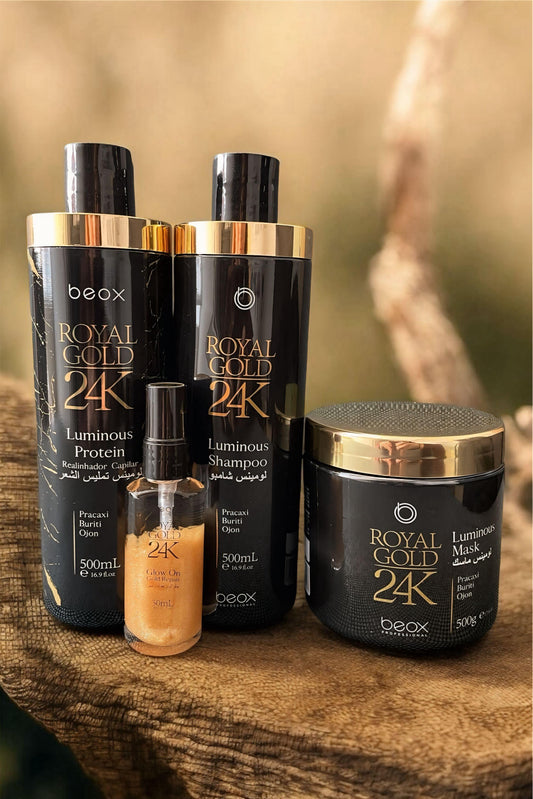
Hair Straightening Treatments Compared: What Actually Works
Lip Store.euShare
Not all straight hair is created equal — and not all hair straightening treatments deliver the same results. Whether you're a salon professional looking to expand your service menu or a client chasing that perfect sleek finish, understanding the real differences between today's top treatments is the first step to making the right choice. The market is saturated with options, and the wrong decision can mean months of disappointment. Let's cut through the noise.
The Main Hair Straightening Treatments on the Market
The world of hair straightening has evolved dramatically. Gone are the days of one-size-fits-all solutions. Today, professionals and consumers have access to a sophisticated range of treatments, each with distinct chemistry, longevity, and ideal hair types.
Brazilian Keratin Treatment
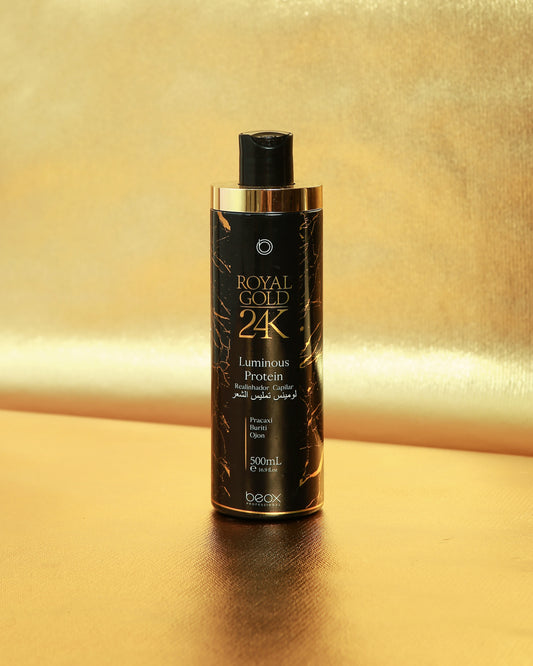
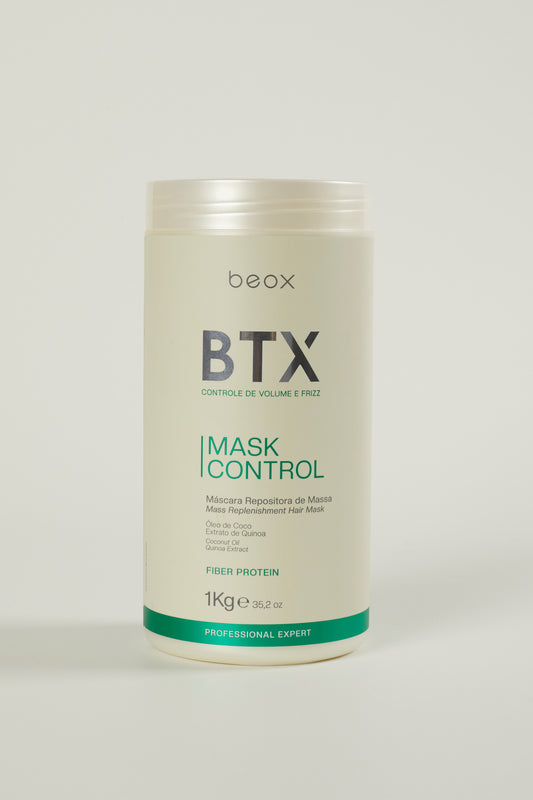
The Brazilian keratin treatment remains the gold standard for frizz control and semi-permanent straightening. By infusing the hair shaft with a keratin protein formula, it reconstructs and smooths the cuticle from the inside out. Results typically last 3 to 6 months, depending on hair type and aftercare routine.
- Eliminates frizz and reduces blow-dry time by up to 50%
- Compatible with color-treated, damaged, or chemically processed hair
- Does not permanently alter the hair's natural structure
- Requires sulfate-free maintenance products post-treatment
For salon professionals seeking premium formulas and reliable results, exploring a curated selection of professional Brazilian keratin treatments is the most direct path to consistent client satisfaction.
Chemical Relaxers
Chemical relaxers use lye (sodium hydroxide) or no-lye formulas to permanently break and reform the hair's disulfide bonds, delivering straight results that last until new growth appears. This is a permanent solution — ideal for clients seeking zero maintenance styling, but demanding in terms of application precision and aftercare.
- Permanently straightens hair at the point of application
- Requires professional application to minimize risk of over-processing
- Not recommended for already-damaged or fragile hair
- Demands a strict moisturizing maintenance routine
Japanese (Thermal) Straightening
Also known as thermal reconditioning, Japanese straightening uses a combination of chemicals and heat to permanently straighten even the most resistant hair types. The results are silk-smooth and extremely durable, though the process is time-intensive — typically 4 to 8 hours in the salon chair.
- Produces permanent, pin-straight results
- Excellent for coarse, curly, or very frizzy hair types
- Cannot be reversed — requires careful client consultation beforehand
- Higher service price point reflects the time and expertise required
At-Home Flat Iron Straightening
For clients who prefer at-home styling flexibility, the flat iron remains a daily go-to. However, results are temporary and tool quality makes an enormous difference. A professional-grade tool with ceramic or titanium plates, adjustable temperature control, and ionic technology minimizes heat damage while maximizing results.
- Offers flexible, on-demand straightening
- Requires daily use for maintained results
- Heat protectant products are essential
- Tool quality directly impacts hair health and finish quality
Investing in the right equipment matters significantly. Browsing a professional selection of professional hair straighteners ensures you're working with tools engineered for consistent performance and hair safety.
Brazilian Keratin vs. Chemical Relaxer vs. Flat Iron: Side-by-Side
When clients ask which treatment is best, the honest answer is: it depends on their hair goals, lifestyle, and budget. Here is how the three most popular options compare across the key decision factors.
Longevity
Chemical relaxers deliver permanent results (at the treated length). Brazilian keratin lasts 3–6 months. Flat iron results last until the next wash. For clients seeking low-maintenance longevity, a chemical treatment or keratin service is the stronger recommendation.
Hair Health Impact
Keratin treatments are the gentlest of the three, as they work with the hair's protein structure rather than chemically altering it. Relaxers carry the highest risk of damage if misapplied. Flat irons, when used with quality tools and heat protection, sit in the middle ground.
Ideal Candidate
Brazilian keratin suits frizzy, wavy, or lightly curly hair that needs long-term smoothing without permanent commitment. Relaxers are best for clients with very curly or coily hair who want permanently straight results. Flat irons are ideal for all hair types seeking flexible, daily styling control.
What Professional Salons Need to Know
For salon professionals, the choice of treatment goes beyond the service itself — it includes the quality of products used, the level of client consultation, and the tools that back the work. Sourcing from reputable professional product lines is non-negotiable for delivering results that build client loyalty.
Expanding your salon's offering with high-performance formulas from a trusted line of professional hair products elevates both your results and your brand reputation.
Key Considerations for Salon Professionals
- Always conduct a thorough strand and sensitivity test before any chemical service
- Document client hair history: previous treatments, current condition, and expectations
- Invest in continuing education on treatment application and timing
- Recommend complementary aftercare products to extend service results and increase retail revenue
How to Choose the Right Treatment for Your Hair Type
Your hair's porosity, density, curl pattern, and current condition all play a role in determining which straightening treatment will deliver the best outcome. A professional consultation is always recommended before committing to any chemical service.
Fine or Low-Density Hair
Fine hair benefits most from keratin treatments or flat iron styling. Permanent chemical treatments can cause excessive thinning or breakage if not applied with precision.
Coarse or High-Density Hair
Coarse, dense hair responds well to Japanese straightening or strong-formula keratin treatments. The higher resistance of the hair shaft means treatments need to penetrate more deeply to deliver results.
Color-Treated Hair
Color-treated hair requires extra caution. Brazilian keratin is generally safe for color-treated hair when applied correctly. Chemical relaxers and color should ideally be scheduled at separate appointments to reduce cumulative stress on the hair.
Aftercare: The Secret to Long-Lasting Results
No matter which treatment is chosen, aftercare is what separates a result that lasts from one that fades in weeks. The right maintenance routine amplifies the treatment's benefits and protects the investment.
- Use sulfate-free, sodium chloride-free shampoos after keratin treatments
- Apply a deep conditioning mask weekly to maintain moisture balance
- Avoid heat styling without thermal protection
- Limit exposure to chlorine, saltwater, and harsh environmental elements
- Schedule professional maintenance appointments every 3–4 months
Frequently Asked Questions About Hair Straightening Treatments
How long does a Brazilian keratin treatment last?
A Brazilian keratin treatment typically lasts between 3 and 6 months, depending on the hair type, the specific formula used, and the maintenance routine followed afterward. Using sulfate-free products and avoiding excessive washing can significantly extend results.
Is Brazilian keratin safe for all hair types?
Brazilian keratin is generally safe for most hair types, including color-treated and chemically processed hair. However, it is not recommended for very fine, fragile, or previously over-processed hair without a professional assessment. Always perform a strand test before full application.
What is the difference between a keratin treatment and a chemical relaxer?
A keratin treatment is a semi-permanent smoothing service that reduces frizz and enhances shine without permanently altering the hair structure. A chemical relaxer permanently breaks and reforms the hair bonds, delivering straight results that do not revert — even after washing.
Can I use a flat iron every day without damaging my hair?
Daily flat iron use can cause cumulative heat damage over time, especially without a quality heat protectant. Using a professional-grade flat iron with adjustable temperature settings and always applying a thermal protector before styling significantly reduces the risk of damage.
Which hair straightening method gives the most natural-looking results?
Brazilian keratin treatment is widely regarded as the method that produces the most natural-looking results. It smooths and controls frizz while preserving the hair's natural movement and volume, rather than delivering a completely rigid, pin-straight finish like a chemical relaxer or Japanese straightening treatment.