How Long Does Keratin Treatment Last?
Lip Store.euShare
You've just walked out of the salon with impossibly smooth, glossy hair — and the first question on your mind is: how long does keratin treatment last? It's the most important question clients ask before committing to this investment, and the answer depends on far more than just the formula used. Understanding what drives longevity puts you — and your clients — in full control of the results.
Average Duration: What to Realistically Expect
A professional keratin treatment typically lasts between 3 and 6 months. This is the industry-standard range, but it reflects a wide spectrum of variables. Some clients maintain visible smoothness for the full 6 months; others begin to notice frizz returning as early as 8 to 10 weeks. The difference lies almost entirely in aftercare, hair type, and the quality of the formula applied.
For salon professionals, setting accurate expectations before treatment is essential. Overpromising duration is one of the leading causes of client dissatisfaction. A detailed pre-treatment consultation that covers hair history, washing habits, and lifestyle ensures the client leaves with realistic expectations — and returns satisfied.
Key Factors That Determine How Long Keratin Lasts
Hair Type and Texture
Hair type is one of the strongest predictors of treatment longevity. Fine hair tends to retain keratin treatment results longer — often closer to 5 to 6 months — because the protein coating has less structural mass to maintain. Thick, coarse, or highly textured hair may experience a faster return to natural texture, with results more commonly lasting in the 3 to 4 month range.
Porosity and Prior Chemical Treatments
Highly porous hair — often the result of bleaching, repeated coloring, or over-processing — absorbs the keratin formula more aggressively but also releases it faster. The higher the porosity, the shorter the effective lifespan of the treatment. For clients with significantly compromised hair, pairing a keratin treatment with a pre-treatment deep conditioning protocol dramatically improves both the result and its duration.
Quality of the Formula Applied
Not all keratin formulas are created equal. Professional-grade formulas with higher concentrations of hydrolyzed keratin protein and advanced bonding agents outlast consumer-grade alternatives significantly. The molecular weight of the protein, the bonding technology, and the heat activation protocol all directly impact how long the treatment holds. This is why salon-applied treatments consistently outperform at-home kits in both quality and longevity.
Washing Frequency
Every wash gradually removes keratin from the hair. Clients who wash their hair daily will see results fade noticeably faster than those who wash every 2 to 3 days. Reducing washing frequency — even by one day per week — can meaningfully extend the visible life of a keratin treatment. This is one of the most actionable changes clients can make immediately after their appointment.
Shampoo and Conditioner Formulation
This is one of the most critical and most overlooked factors. Sulfate-based shampoos actively strip the keratin coating with each use, dramatically shortening treatment lifespan. Switching to a sulfate-free, keratin-compatible shampoo is non-negotiable for anyone who wants to maximize the duration of their results.
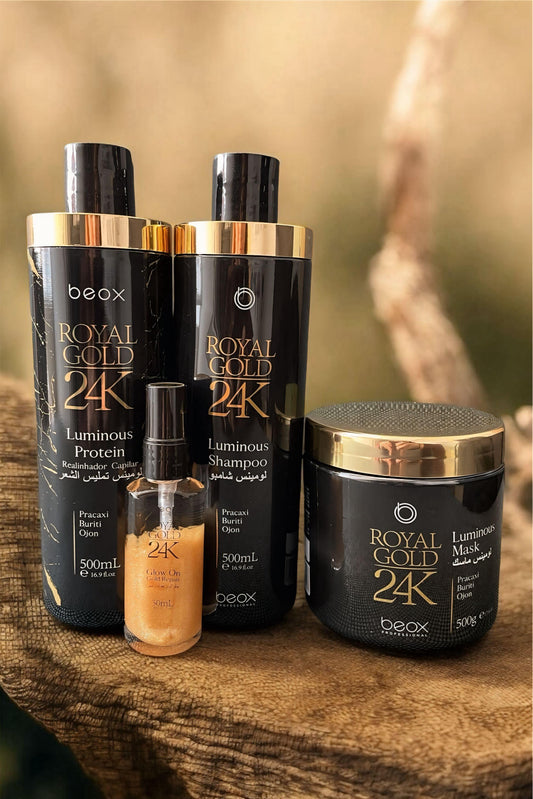
Using the correct aftercare products is the single most controllable variable in extending treatment longevity. A professional sulfate-free keratin-safe shampoo and a matching professional hair conditioner specifically formulated for treated hair work together to preserve the keratin film, maintain moisture balance, and keep the cuticle sealed — week after week.
Exposure to Chlorine, Salt Water, and Heat
Regular swimming in chlorinated pools or the ocean accelerates keratin breakdown significantly. Chlorine is particularly aggressive, penetrating the cuticle and breaking down the protein bonds that the treatment depends on. Clients who swim regularly should wet and condition their hair before entering the water, and rinse thoroughly immediately after. Excessive heat — beyond normal styling — also degrades the treatment over time.
How to Make Keratin Treatment Last Longer
The good news is that treatment longevity is largely within the client's control. Following a professional aftercare routine consistently is the most effective strategy for extending results toward the 5 to 6 month mark — regardless of hair type.
- Wait 48–72 hours before the first wash after treatment — this allows the keratin to fully bond with the hair's internal structure
- Use only sulfate-free products — every wash with a sulfate-based shampoo degrades the keratin film
- Wash less frequently — every 2 to 3 days is ideal for preserving treatment results
- Avoid tying hair tightly in the days immediately following treatment to prevent kinks or dents in the cuticle seal
- Protect hair before swimming — apply a leave-in conditioner or oil and rinse hair immediately after pool or ocean exposure
- Sleep on silk or satin — these fabrics reduce friction and moisture absorption compared to cotton pillowcases
- Avoid excessive heat beyond necessary styling — consistent overheating degrades keratin bonds faster
- Use a keratin maintenance mask every 2 to 3 weeks to replenish protein and maintain smoothness between treatments
When Does Keratin Treatment Start to Fade?
Keratin treatment does not disappear overnight. The fading process is gradual and begins from the very first wash. Clients typically notice the first signs of natural texture returning around weeks 6 to 8 — usually as a slight increase in frizz in high-humidity conditions or at the roots as new growth emerges.
By months 3 to 4, most clients with medium to coarse hair will notice a more significant return of natural texture. Fine hair types often retain smoothness well beyond this point. The transition is gradual enough that clients rarely experience an abrupt shift — rather, they find themselves spending incrementally more time managing their hair each morning until the next treatment cycle.
Professional Application: The Foundation of Long-Lasting Results
No aftercare routine can compensate for a poorly applied treatment. The foundation of long-lasting keratin results is professional application — correct sectioning, consistent saturation, precise flat iron temperature, and adequate processing time. Each of these elements directly impacts how deeply the keratin bonds with the hair fiber and, consequently, how long the results hold.
For salon professionals and clients seeking the highest standard of smoothing results, our detailed guide to professional keratin treatment covers everything from formula selection to application technique — equipping both stylists and informed clients with the knowledge to achieve lasting, salon-quality results every time.
Maintenance Treatments: Boosting Longevity Between Full Applications
For clients who want to extend the life of their keratin treatment beyond the standard range, maintenance treatments offer an effective solution. A lightweight keratin maintenance service — applied at the midpoint of the treatment cycle, typically around month 3 — refreshes the protein coating, reduces emerging frizz, and extends smooth results by an additional 4 to 6 weeks without requiring a full re-application.
This approach is particularly valuable for clients in high-humidity climates, those who swim regularly, or those with coarser hair textures that tend toward shorter treatment cycles. Recommending a maintenance protocol is also an excellent retention strategy for salon professionals — it keeps clients engaged, extends their satisfaction, and creates consistent repeat business.
Frequently Asked Questions: How Long Does Keratin Treatment Last?
Does keratin treatment last longer on some hair types than others?
Yes. Fine hair generally retains keratin treatment results for longer — often 5 to 6 months — while thick, coarse, or highly textured hair may see results begin to fade around the 3 to 4 month mark. Hair porosity also plays a significant role: lower porosity hair tends to maintain the treatment for longer, while high porosity hair releases it faster.
What shortens the duration of a keratin treatment most?
The three most impactful factors are: using sulfate-containing shampoos, washing hair too frequently, and exposure to chlorine or salt water. Each of these actively breaks down the keratin film. Addressing all three with the right aftercare habits can significantly extend treatment longevity.
Can I make my keratin treatment last 6 months?
Yes — particularly for fine to medium hair types. Achieving the upper end of the duration range requires consistent use of sulfate-free haircare products, reduced washing frequency, avoiding harsh water and chemical exposure, and using a keratin-boosting maintenance mask every two to three weeks. Clients who follow a disciplined aftercare protocol consistently report results lasting toward the full 6-month cycle.
How do I know when it's time to redo my keratin treatment?
The most reliable indicators are a noticeable increase in frizz, significantly longer styling time each morning, and visible loss of the mirror-like shine the treatment initially delivered. Most clients find themselves naturally scheduling their next appointment around months 3 to 5 as these signs gradually appear.
Should I use special products after a keratin treatment?
Absolutely. Sulfate-free shampoos and conditioners formulated for chemically treated or keratin-treated hair are essential. Standard shampoos containing sulfates strip the protein coating with every wash, dramatically shortening results. A professional aftercare regimen — including a sulfate-free keratin-compatible shampoo and a hydrating professional conditioner — is the most effective investment a client can make to protect their treatment.