How Often Should You Wash Your Hair? The Expert Guide by Hair Type
Lip Store.euShare
How often should you wash your hair? It sounds like a simple question — but the answer can fundamentally change the health, appearance, and longevity of your hair. Wash too frequently and you strip the scalp of its natural oils, disrupt the microbiome, and trigger chronic dryness or even compensatory overproduction of sebum. Wash too infrequently and you allow buildup, clogged follicles, and an environment that stifles healthy hair growth. The truth is: the ideal washing frequency is not universal — it is deeply personal, and understanding why is the first step to getting it right.
Why Washing Frequency Matters More Than Most People Think
Every time hair is washed, the scalp's sebaceous glands are stimulated. When washing happens too often, the glands respond by producing more sebum than necessary — creating a cycle of oiliness that seems to demand even more frequent washing. Conversely, underw washing allows dead skin cells, product residue, and environmental pollutants to accumulate on the scalp, creating conditions that can irritate the skin and impair follicle function over time.
Beyond the scalp, the hair fiber itself is affected by every wash. Each cycle of wetting, shampooing, and drying temporarily swells the hair shaft, lifts the cuticle, and creates a window of vulnerability to mechanical and thermal damage. The fewer unnecessary wash cycles, the less cumulative structural damage the hair accumulates over weeks and months.
Choosing the right wash frequency — and supporting it with the right products — is one of the highest-leverage decisions in any hair care routine, professional or personal.
How Often to Wash Your Hair by Hair Type
Fine or Low-Density Hair
Fine hair has a smaller surface area per strand, which means sebum spreads from the scalp to the lengths more rapidly than in thicker or coarser hair types. This creates a tendency toward faster visible oiliness at the roots, even when the ends remain dry. For fine hair, washing 3–4 times per week is typically optimal — frequent enough to manage scalp sebum, but spaced enough to avoid triggering the overproduction cycle. Volumizing, sulfate-free shampoos are ideal: they cleanse effectively without weighing the hair down or stripping moisture from the already-delicate fiber.
Medium or Normal Hair
Hair of medium density and normal porosity is the most forgiving in terms of washing frequency. The scalp neither overproduces nor underproduces sebum under normal conditions, and the hair fiber has sufficient structural integrity to tolerate regular washing without excessive breakdown. Two to three washes per week is the professional standard for this hair type — consistent enough to maintain cleanliness and freshness, infrequent enough to allow the scalp's natural oil production to remain self-regulating.
Thick, Coarse, or High-Density Hair
Thick and coarse hair has a larger surface area per strand and a denser fiber structure that naturally slows the migration of sebum from scalp to ends. This means the hair retains its freshness longer between washes without appearing visibly oily. For this hair type, washing 1–2 times per week is sufficient and often preferable — allowing the natural oils to travel the full length of the strand, which provides essential lubrication and protection to hair that is structurally more resistant but often moisture-deficient in the lengths and ends.
Curly or Coily Hair
Curly and coily hair textures have the most complex washing needs of any category. The helical structure of the curl prevents sebum from traveling freely from scalp to ends — meaning the ends are chronically drier than the scalp, regardless of washing frequency. For curly hair, washing once per week is the general professional guideline, with co-washing (conditioner-only washing) between sessions to maintain moisture without disrupting the curl pattern or stripping the already-limited natural oil distribution. Frequency can be adjusted based on scalp oiliness, product usage, and lifestyle.
Color-Treated or Chemically Processed Hair
Chemical treatments — coloring, bleaching, relaxing, perming — compromise the cuticle and increase the hair fiber's porosity. This makes color-treated and chemically processed hair significantly more vulnerable to moisture loss with each wash cycle. Limiting washing to 2 times per week, using exclusively sulfate-free shampoos, and always following with a conditioning step are the minimum standards for maintaining the integrity and longevity of chemically treated hair. More frequent washing accelerates color fade and structural degradation simultaneously.
The Role of the Scalp Type in Determining Wash Frequency
Hair type alone does not determine ideal wash frequency — scalp type is an equally critical variable. The two must be assessed together for an accurate recommendation:
- Oily scalp: sebum overproduction typically requires more frequent washing (3–5 times per week), but the formula matters — aggressive sulfate-based shampoos worsen the cycle; a gentle, balancing formula is always preferable
- Dry or sensitive scalp: washing 1–2 times per week is optimal; sulfate-free, fragrance-free formulas minimize irritation and preserve the scalp barrier
- Dandruff or seborrheic dermatitis: may require medicated shampoo use 2–3 times per week; regular shampooing prevents flake buildup without over-drying the scalp
- Normal, balanced scalp: 2–3 washes per week maintains equilibrium; the scalp microbiome remains undisturbed, and sebum production stays self-regulated
A professional scalp assessment — performed by a trained stylist or trichologist — remains the most precise method for determining the optimal frequency for any individual.
How Lifestyle Factors Affect How Often You Should Wash
Biological hair and scalp type establish the baseline, but daily lifestyle variables shift the optimal frequency in either direction:
- Exercise frequency: daily sweating from physical activity introduces salt, bacteria, and moisture to the scalp — rinsing with water after exercise (without shampoo) is a professional technique for maintaining scalp freshness without triggering the overproduction cycle
- Product usage: heavy styling products — waxes, pomades, dry shampoos — build up faster than lightweight serums or sprays, demanding a clarifying wash more frequently to reset the scalp
- Climate and humidity: humid environments increase scalp perspiration; dry, cold climates reduce sebum production — frequency should flex with the seasons
- Occupation and environment: exposure to dust, pollution, smoke, or food environments introduces external contaminants that accelerate the need for cleansing
- Hormonal changes: pregnancy, menopause, thyroid conditions, and hormonal contraceptives all influence sebum production — washing frequency may need periodic reassessment during transitions
Choosing the Right Shampoo for Your Wash Frequency
The formula of the shampoo used is inseparable from the question of how often to wash. The same washing frequency can produce dramatically different outcomes depending on whether the product strips or preserves the scalp's natural balance.
Key criteria for choosing a shampoo matched to your frequency:
- For high-frequency washing (4–5 times per week): choose a gentle, low-surfactant formula with no sulfates, enriched with scalp-soothing actives like panthenol, niacinamide, or aloe vera
- For moderate frequency (2–3 times per week): a balanced moisturizing or targeted formula (volumizing, color-protecting, strengthening) appropriate to hair type
- For low frequency (1–2 times per week): a richer, more moisturizing formula is appropriate — the hair has more time between washes to benefit from conditioning actives deposited during each cleanse
- Monthly clarifying shampoo: regardless of frequency, a monthly clarifying wash removes mineral deposits, silicone buildup, and product residue that regular shampoos cannot dissolve
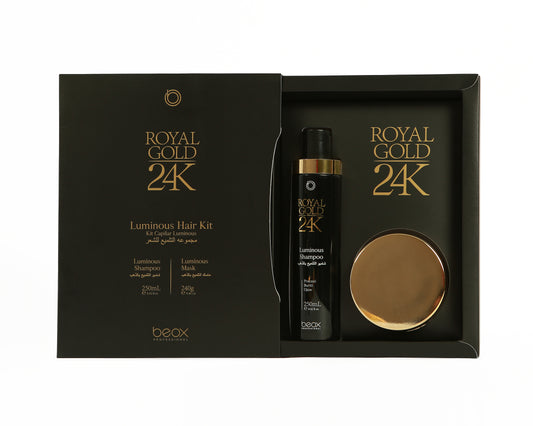
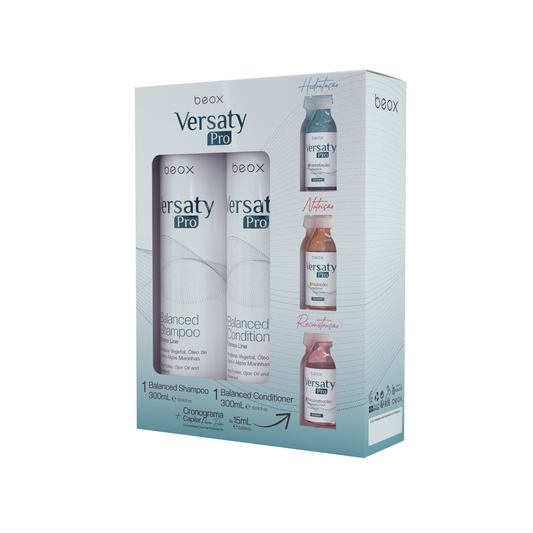
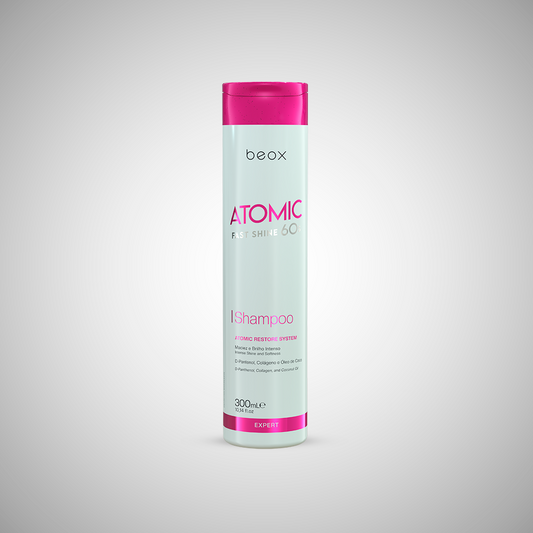
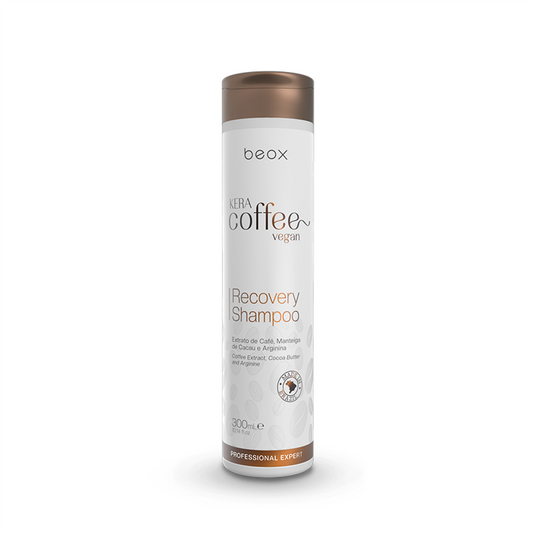
Whether you are a salon professional building client protocols or an individual optimizing your home routine, the right shampoo formula transforms wash frequency from a cosmetic habit into a structural hair health strategy. Explore our full range of professional shampoos — developed for every scalp type, hair condition, and wash frequency. Pair each wash session with the appropriate professional conditioner to restore moisture, seal the cuticle, and protect the fiber between sessions.
What Happens When You Wash Too Often or Too Little
Understanding the consequences of both extremes reinforces why frequency calibration matters:
- Overwashing effects: chronic dryness in the lengths and ends, increased scalp sensitivity, accelerated color fade, mechanical weakening of the hair fiber, disruption of the scalp microbiome leading to dandruff or irritation
- Underwashing effects: sebum and product buildup that creates a barrier to scalp respiration, clogged follicles that can impair new hair growth, malodor, and a dull, greasy appearance that no amount of dry shampoo can indefinitely mask
Neither extreme serves hair health. The professional approach is always calibration — finding the minimum effective frequency for your specific hair and scalp type, then supporting it with the right formula at every step.
The Role of Conditioner in Every Wash Session
Regardless of wash frequency, conditioner is non-negotiable at every session. Every time hair is shampooed, the cuticle is temporarily disrupted and the hair fiber is vulnerable to damage. Conditioner seals the cuticle, restores surface smoothness, and deposits protective actives that reduce friction and breakage during detangling and styling.
Apply conditioner exclusively to mid-lengths and ends — never to the scalp or roots, where it adds unnecessary weight and can interfere with follicle function. Leave on for a minimum of 3–5 minutes and rinse with cool water to close the cuticle and lock in the conditioning benefits.
Between wash sessions, a leave-in conditioner or lightweight serum extends the benefits of the wash-day conditioning step and provides ongoing moisture and protection throughout the week.
Frequently Asked Questions
Is it bad to wash your hair every day?
For most hair types, daily washing disrupts the scalp's natural sebum production, strips protective lipids from the hair fiber, and creates cumulative structural damage over time. However, for individuals with very fine hair, very oily scalps, or high-frequency physical activity, daily washing with a gentle, sulfate-free formula may be appropriate — provided it is always followed by conditioner. The key is formula choice: aggressive sulfate shampoos compound the damage; gentle formulas minimize it.
Can I train my hair to need less frequent washing?
Yes — the scalp's sebaceous glands adapt to stimulation. If you gradually extend the interval between washes over 4–6 weeks, sebum production typically normalizes at the lower frequency. During the transition period, dry shampoo applied at the roots can manage visible oiliness while the scalp recalibrates. Most people who increase the interval between washes by even one day per week find that the scalp adjusts within a month of consistent practice.
Why does my hair get oily faster after washing?
This is a classic sign of overwashing. When the scalp is stripped of its natural oils too frequently, the sebaceous glands respond by producing sebum more aggressively to compensate — creating the cycle where hair seems to need washing again within 24–36 hours. Gradually reducing wash frequency, using a gentler shampoo formula, and avoiding hot water (which stimulates sebum production) breaks this cycle over time.
Does washing frequency affect hair growth?
Washing frequency does not directly accelerate or slow hair growth — growth rate is determined by genetics, nutrition, and hormonal factors. However, scalp health indirectly affects hair growth: chronic buildup and clogged follicles from underwashing can impair the growth cycle, while aggressive overwashing can inflame the scalp and weaken emerging hair at its most fragile point. A clean, balanced scalp provides the optimal environment for healthy hair growth without directly altering the growth rate itself.
Should I wash my hair differently in summer versus winter?
Yes. In summer, heat and humidity increase scalp perspiration and sebum production, making more frequent washing appropriate for most hair types. In winter, cold air, dry indoor heating, and reduced humidity lower sebum production and increase the risk of dryness — reducing wash frequency and switching to a more moisturizing formula protects the hair's natural moisture balance during the colder months. Seasonal adjustment of wash frequency and product selection is a professional-standard practice.