How to Build a Professional Hair Routine at Home: The Complete Expert Guide
Lip Store.euShare
What separates salon-quality hair from everyday hair is rarely talent — it is method. The professionals who consistently deliver extraordinary results follow a precise, structured system built on the right products, the right sequence, and the right techniques. The good news: that same system can be replicated at home. Building a professional hair routine at home is not about spending more — it is about understanding what truly matters and applying it with the consistency that transforms hair over time.
Why Most Home Hair Routines Fail to Deliver Salon Results
The gap between what happens in a salon and what happens at home is almost never about access to tools. It is about knowledge: knowing why each step exists, what each product does at a structural level, and how the sequence of application determines the final result. Without that foundation, even expensive products underperform.
The most common reasons home routines fail to deliver professional results include:
- Using products that are not matched to the hair's actual condition and porosity level
- Skipping steps that appear optional but are structurally critical (pre-treatment, heat protection)
- Applying products in the wrong order, reducing their individual effectiveness
- Inconsistency — treating the routine as occasional rather than systematic
- Using consumer-grade formulas with low active concentrations that produce minimal results
Correcting these errors does not require a complete overhaul — it requires understanding and deliberate adjustment. That is what this guide delivers.
The Foundation: Choosing the Right Professional-Grade Products
The first and most impactful decision in building a professional home routine is choosing products formulated at professional concentration levels. Consumer products sold in retail chains are typically diluted versions of professional formulas — they look similar on the label but deliver a fraction of the active efficacy.
Professional-grade hair products differ in four critical areas:
- Active concentration – higher percentages of keratin, amino acids, panthenol, and repair agents per dose
- pH optimization – calibrated to work synergistically with the hair's natural pH zone, not simply to feel pleasant
- Molecular weight of actives – smaller molecules that penetrate the cortex rather than coating the surface
- Formula stability – professional formulas maintain potency across the full product lifecycle
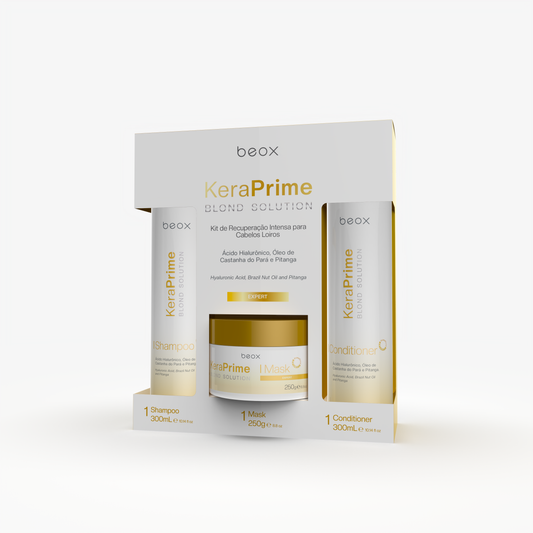
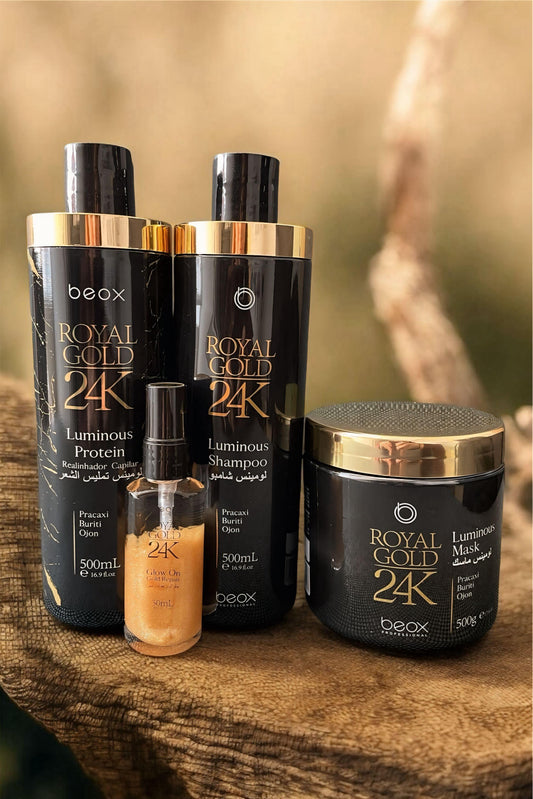
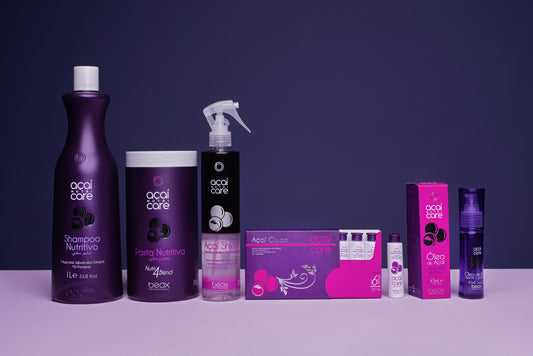
Upgrading to salon-quality products is the single highest-leverage change you can make to your home routine. Explore our curated collection of professional hair products to find the right formulas for your hair type and treatment goals.
Building Your Professional Home Routine: The Six-Stage System
Stage 1: Assessment and Scalp Analysis
Professional stylists begin every treatment with an assessment. Before choosing any product, evaluate the current state of your scalp and hair: Is the scalp dry, oily, or balanced? Is the hair porous, resistant, or somewhere between? Has it been recently chemically treated? The answers to these questions should drive every product choice in the stages that follow. Reassess every 4–6 weeks, because hair condition changes as treatments take effect.
Stage 2: Cleansing — Targeted, Not Generic
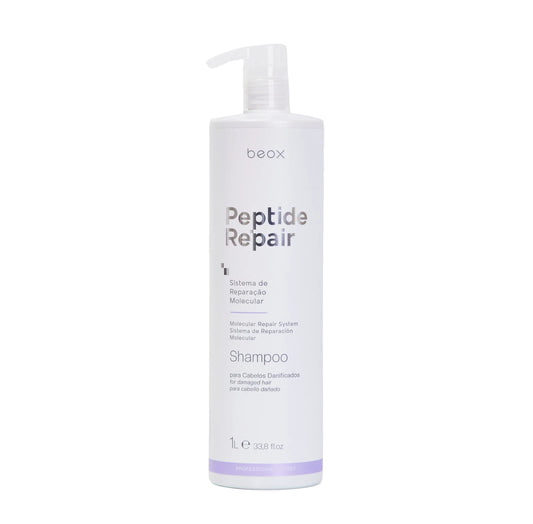
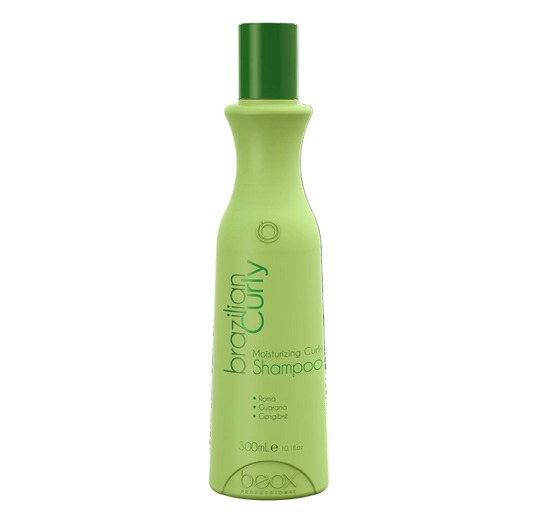
The professional approach to cleansing is never generic. A salon stylist selects a specific shampoo formula for each client based on scalp type, hair condition, and the treatment being applied. At home, this means having more than one shampoo — a sulfate-free moisturizing formula for regular use, a clarifying formula used once a month to remove mineral and product buildup, and a targeted formula (anti-dandruff, volumizing, color-protecting) for specific scalp or hair concerns.
Always shampoo the scalp, not the lengths. The lengths are cleaned passively through the rinse water. Concentrating shampoo on the scalp prevents unnecessary dryness and friction damage to the mid-lengths and ends.
Stage 3: Conditioning — Precision Application
In a professional setting, conditioner is applied with precision and purpose. At home, replicate this by applying exclusively to mid-lengths and ends, using a wide-tooth comb to distribute evenly, and allowing a minimum of 3–5 minutes of contact time before rinsing with cool water. Never rush the conditioner step — the contact time is when the active ingredients deposit into the hair structure and begin working.
Match the conditioner formula to your current hair condition: a lightweight rinse-out for fine or oily-tending hair, a reconstructive formula for dry or color-treated hair, and an intensive protein-balancing conditioner for chemically processed or heat-damaged hair.
Stage 4: Intensive Treatment — The Weekly Game-Changer
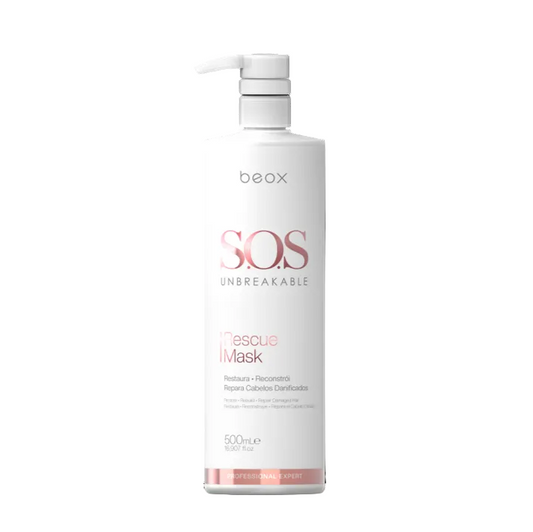
Salon professionals include a deep treatment in virtually every service because it produces the most measurable structural change. At home, a weekly deep conditioning mask or a monthly intensive reconstructive treatment delivers results that no conditioner alone can match. The key differentiator is contact time and penetration depth — a professional mask left on for 20–30 minutes under heat reaches the cortex, repairs bonds, and delivers lasting hydration.
For hair that requires deeper structural repair — particularly hair that has been chemically processed, repeatedly bleached, or subjected to heat abuse — a professional hair botox treatment represents the most concentrated level of at-home intensive care available. Discover how our hair botox treatment works to rebuild the internal structure of severely damaged hair and restore smoothness, elasticity, and shine without a salon visit.
Stage 5: Leave-In and Thermal Defense
Every professional styling session begins with leave-in protection applied to damp hair. This is a non-negotiable step — it locks in moisture, provides a detangling base, and primes the hair for any heat or mechanical styling that follows. For any session involving heat tools, add a thermal protectant rated to at least the temperature of the tool you are using. Never style unprotected hair above 150°C — the structural damage is cumulative and not fully reversible.
Stage 6: Finishing and Sealing
The final step of a professional routine creates the seal that holds everything in place and delivers the visible shine and smoothness that signals healthy, well-maintained hair. Apply a lightweight finishing oil or serum to dry hair, focusing on the mid-lengths and ends. This step prevents moisture loss throughout the day, protects against environmental stressors, and gives the hair the luminous finish that distinguishes professionally maintained hair from hair that has simply been washed and dried.
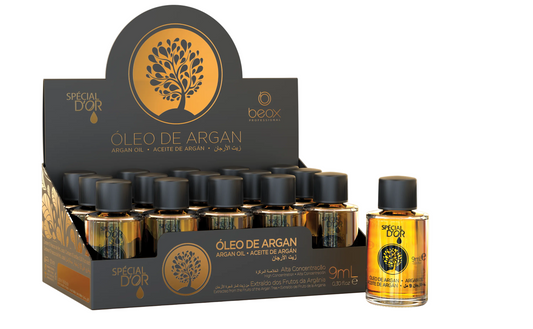
For a finishing step that also delivers active repair and UV protection, explore our selection of professional hair oils — formulated to seal, protect, and add lasting brilliance to every hair type.
How to Adapt the Routine to Your Specific Hair Needs
A professional routine is not rigid — it is adaptive. The six-stage structure remains constant, but the products within each stage change based on your hair's evolving condition:
- Fine, low-density hair: lightweight formulas throughout; volumizing conditioner; mousse over cream for styling; avoid heavy oils at the roots
- Thick, coarse, or high-density hair: richer formulas; intense moisturizing masks; leave-in creams; heavier oils sealed over the leave-in
- Color-treated hair: sulfate-free shampoo at every wash; color-protecting conditioner; UV-filtering leave-in; glossing treatment monthly
- Chemically processed or bleached hair: protein-balancing products; bond repair treatment bi-monthly; maximum thermal protection; intensive mask twice weekly
- Scalp conditions (dandruff, oiliness, sensitivity): targeted scalp shampoo; lightweight conditioner applied only to ends; scalp serum applied directly before styling
Reassessing every 4–6 weeks and adjusting your product selection accordingly is what separates a static routine from a professional one.
Consistency, Frequency, and the Compound Effect
Professionals deliver consistent results not because they have access to better tools, but because they apply a structured system consistently. The compound effect of a well-designed routine builds week over week — each treatment layer depositing onto the one before, each repair step making the next one more effective.
The minimum frequency for visible, sustained results at home is:
- Cleansing: 2–3 times per week
- Conditioning: every wash session
- Deep mask: once per week (twice for damaged hair)
- Intensive treatment (botox, bond repair): once per month
- Leave-in: every wash session
- Finishing oil or serum: daily
Deviation from this frequency does not undo progress — but consistency accelerates it dramatically. Most people who switch from an unstructured to a structured professional routine see measurable improvements in texture, elasticity, and shine within 4–6 weeks.
Frequently Asked Questions
Can I really achieve salon-quality results at home?
Yes — with professional-grade products and a structured, consistent routine, home results can closely replicate what a salon delivers for maintenance and repair. The difference lies in using the correct formulas at professional concentrations, following the right application sequence, and maintaining consistency over time. In-salon treatments that use equipment (steamers, infrared caps, bonding machines) remain superior for intensive interventions, but a strong home routine significantly reduces how often those are needed.
How do I know which products are truly professional grade?
Genuine professional-grade products are typically available through authorized professional distributors, contain transparent ingredient lists with identifiable active compounds at effective concentrations, and are pH-balanced for cosmetic hair use. They are not found in supermarket aisles. Look for formulas with hydrolyzed keratin, amino acids, panthenol, ceramides, and specific bond-building agents — and avoid products where water and fragrance dominate the first five ingredients.
How often should I do an intensive hair treatment at home?
For most hair types, a weekly deep conditioning mask and a monthly intensive treatment (such as a hair botox or protein reconstruction) is the optimal frequency. For severely damaged, bleached, or fragile hair, a deep mask twice per week and an intensive treatment every 3 weeks produces faster recovery. Once the hair reaches a stable healthy condition, maintenance frequency can be reduced.
What is the difference between a deep conditioner and a hair mask?
A deep conditioner is designed to soften, detangle, and add surface-level moisture — it works primarily on the cuticle layer and is typically rinsed after 3–10 minutes. A professional hair mask penetrates deeper into the cortex, delivers bond-repairing agents, protein, and lasting hydration, and requires 15–30 minutes of contact time — ideally with heat — to achieve full effect. For a professional home routine, both have a role: conditioner at every wash, mask once or twice per week.
Is hair botox safe to use at home?
Professional hair botox treatments formulated for home use are safe and highly effective when used according to instructions. Unlike in-salon versions that may use higher concentrations requiring professional application, home-use hair botox formulas are calibrated for self-application while maintaining significant efficacy. They work by filling structural gaps in the hair cortex with proteins, hyaluronic acid, and collagen-derived compounds — restoring smoothness, elasticity, and shine without chemical alteration of the hair's bonds.