How to Care for Bleached Hair Properly: The Complete Expert Guide
Lip Store.euShare
Bleached hair is the most chemically stressed hair type that exists — and caring for it properly is not simply a matter of using a purple shampoo once a week. The bleaching process breaks down the hair's internal protein bonds, raises the cuticle permanently, and leaves the hair in a structurally compromised state that demands a precision care routine if it is to remain healthy, shiny, and strong. Whether you are a salon professional managing multiple blonde clients or an individual maintaining your own bleached hair at home, this guide gives you the expert-level knowledge to do it correctly.
What Bleaching Actually Does to Hair: Understanding the Damage
To care for bleached hair properly, it is essential to understand exactly what the bleaching process does at the structural level. Bleach — a combination of hydrogen peroxide and an alkaline agent — enters the hair shaft by raising and opening the cuticle. Once inside, it oxidizes the melanin pigment, removing color. This process is irreversible and leaves behind significant structural consequences.
The primary structural changes bleaching causes include:
- Disulfide bond breakage: The strong sulfur bonds that hold the cortex proteins together are partially or fully broken, reducing the hair's internal tensile strength and elasticity
- Increased porosity: The cuticle is raised during bleaching and does not fully return to its closed, sealed position afterward — leaving the hair highly porous, reactive to humidity, and unable to retain moisture
- Protein depletion: Melanin and structural proteins within the cortex are oxidized and removed, leaving the internal fiber hollow, fragile, and prone to breakage
- Lipid layer destruction: The 18-MEA lipid layer on the cuticle surface — responsible for natural shine and water repellence — is partially destroyed, leaving the hair dull, rough, and hygroscopic
- Elasticity loss: Healthy hair stretches 30–50% of its length when wet before returning to shape — bleached hair loses this elasticity progressively, becoming brittle and snap-prone
Understanding these consequences shapes every decision in a bleached hair care routine. Products that work well on healthy hair often fail entirely on bleached hair — because the structural conditions are fundamentally different.
The Golden Rules of Bleached Hair Care
Before diving into the step-by-step routine, these foundational principles apply to every client with bleached or highlighted hair, regardless of how light or dark their base color is.
- Never skip protein reconstruction — bleached hair loses protein during every wash and must regularly rebuild it
- Never over-protein without balancing with moisture — protein overload makes bleached hair brittle and more likely to break
- Always use sulfate-free products — sulfates strip the already-compromised cuticle and accelerate color fading
- Always apply heat protectant before any thermal styling — bleached hair has far less thermal tolerance than unprocessed hair
- Never skip toning or color maintenance — oxidized, brassy tones are a sign of degraded protein and cuticle, not just color fade
- Always finish with a sealing product — oils, serums, or finishing creams seal the open cuticle and prevent moisture evaporation
The Bleached Hair Care Routine: Step by Step
Step 1 — Choose the Right Shampoo for Bleached Hair
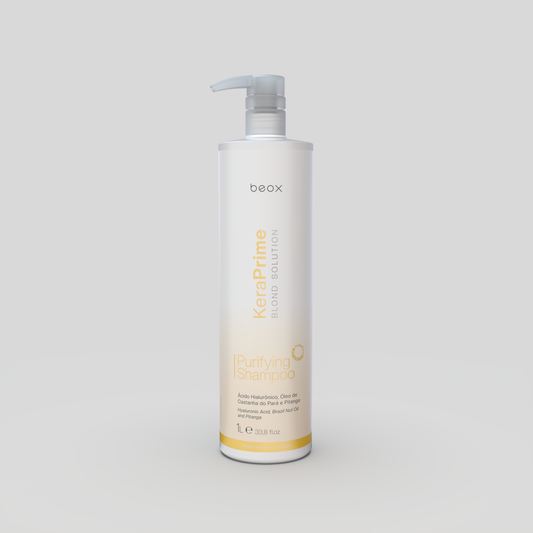
Shampoo selection is the first and most consequential decision in a bleached hair routine. The wrong shampoo can undo days of conditioning work in a single wash. For bleached hair, the requirements are specific: sulfate-free formulation, color-safe active ingredients, hydrating agents, and — for blonde or white-toned hair — violet or blue pigments to neutralize brassiness.
A professional purple or silver shampoo used once or twice per week neutralizes the warm, yellow and orange tones that develop in bleached hair as the remaining melanin oxidizes over time. On alternate wash days, a gentle, hydrating sulfate-free cleanser maintains scalp cleanliness without stripping the cuticle.
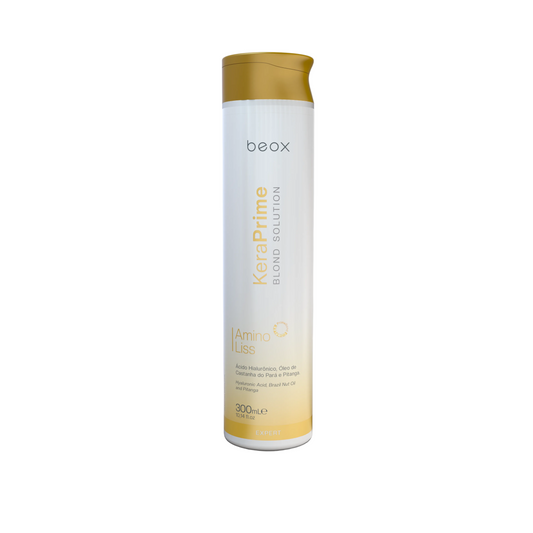
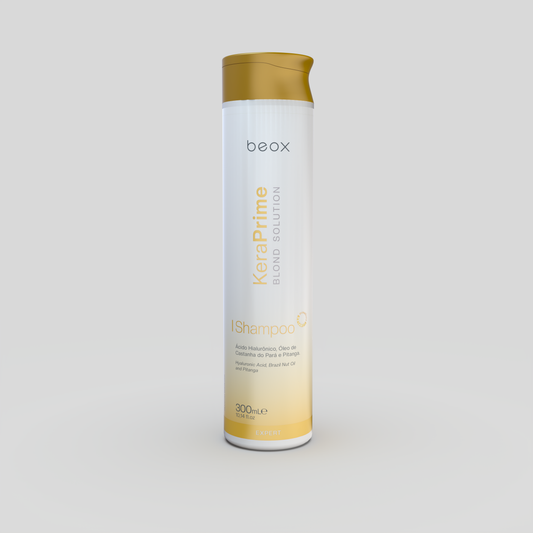
For clients and professionals seeking a clinically precise product selection for bleached and lightened hair, our complete range of professional shampoos includes formulas specifically optimized for chemically lightened hair — delivering gentle cleansing, tonal correction, and cuticle protection in every wash.
Step 2 — Use a Bond-Repair and Protein Reconstruction Treatment
Immediately after shampooing, before any conditioning, a bond repair treatment applied to bleached hair begins to reform the disulfide bonds that bleaching has broken. These treatments do not reverse bleach damage permanently — but they significantly improve the hair's tensile strength, reduce breakage, and improve the way the hair responds to subsequent conditioning and styling.
For salon professionals, incorporating a bond repair treatment into every in-salon service for bleached clients — especially before and during the bleaching process itself — dramatically reduces breakage risk and improves the structural outcome of every appointment. For at-home use, a bond repair booster added to a conditioner or mask once per week delivers measurable improvement in hair elasticity and resilience.
Step 3 — Deep Condition with a Professional Mask (Weekly)
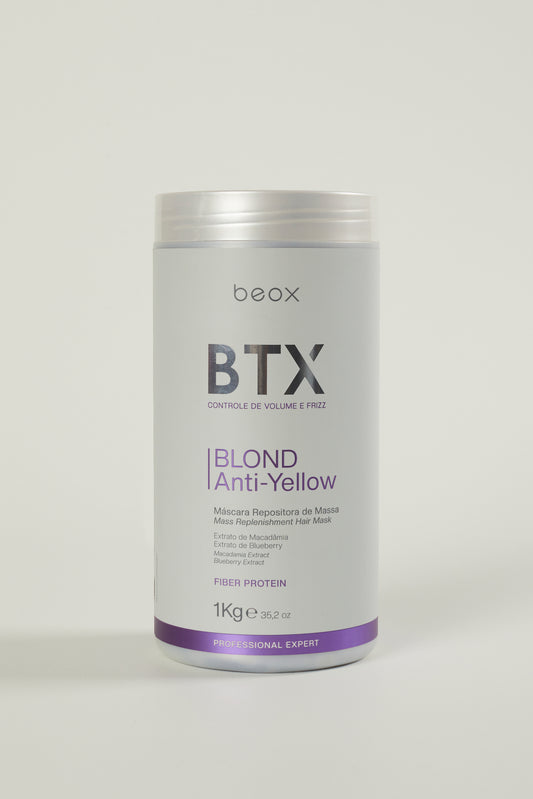
A professional deep conditioning mask is the cornerstone of any bleached hair care routine. Given the porous, depleted state of bleached hair, a standard rinse-out conditioner is insufficient — it conditions the surface but does not reach the depleted cortex where the structural deficit exists.
A professional mask formulated for bleached or damaged hair delivers higher concentrations of hydrolyzed proteins, ceramides, amino acids, and emollient agents that penetrate the open cuticle and restore internal density and moisture. Applied weekly to clean, damp hair — left on for 20 to 30 minutes under heat — the difference in texture, elasticity, and shine is measurable from the very first application.
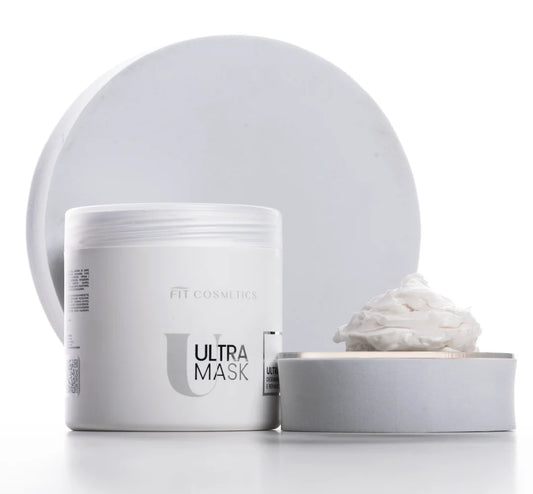
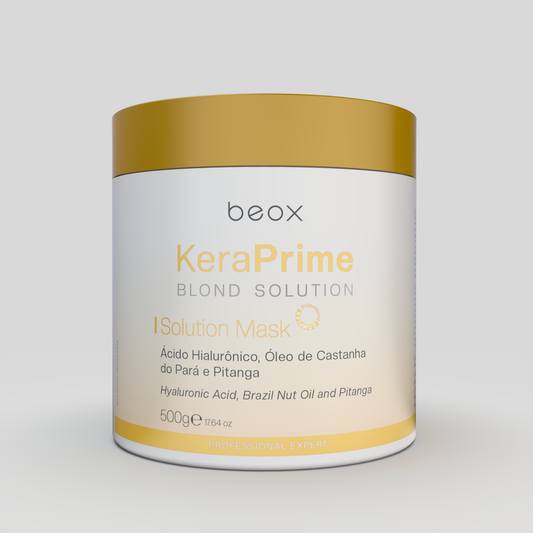
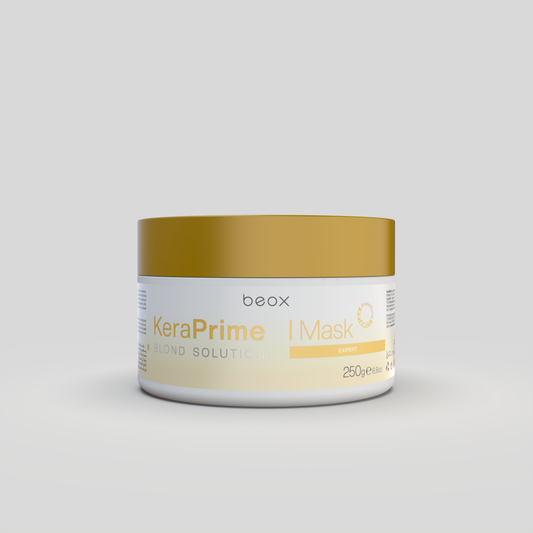
For the most comprehensive at-home care between salon appointments, our selection of professional hair masks for bleached hair provides the clinical-grade conditioning that bleached and color-treated hair requires — rebuilding internal structure and delivering lasting softness, shine, and breakage resistance with every use.
Step 4 — Rinse with Cool Water and Apply Leave-In
Hot water during rinsing is one of the most overlooked causes of color fade and cuticle damage in bleached hair. Hot water swells the already-open cuticle, allowing color molecules and moisture to escape. Rinsing with cool — ideally cold — water contracts the cuticle, sealing in the conditioning agents just applied and preserving the tonal integrity of the bleached hair.
After rinsing, apply a leave-in conditioner or a lightweight detangling treatment to damp hair before any heat tool is used. This provides a moisture buffer between the hair and heat, reduces mechanical stress during detangling, and extends the hydration window between washes — which is critical for bleached hair that cannot afford the moisture loss that comes with frequent washing.
Step 5 — Protect Before Any Heat Styling
Bleached hair has dramatically reduced thermal tolerance compared to unprocessed hair. The disrupted disulfide bonds, depleted cortex, and open cuticle mean that the same temperature that causes minor lifting on healthy hair creates significant damage on bleached hair. For bleached hair, the following heat rules are non-negotiable:
- Always apply a heat protectant rated for 230°C or above before any heat tool use
- Lower flat iron temperature to 160°C–180°C for fine bleached hair; no higher than 200°C for medium to thick bleached hair
- Reduce the number of passes with a flat iron — multiple passes cause cumulative moisture evaporation from the cortex
- Use a low-heat or cool setting on blow dryers whenever possible — diffuse rather than direct airflow
- Allow hair to air dry to 70–80% before applying heat — starting heat styling on wet bleached hair causes the most damage
Step 6 — Seal and Finish with a Cuticle-Sealing Product
Because bleached hair's cuticle never fully returns to its pre-bleach closed position, sealing it after every styling session is essential. A lightweight finishing serum, hair oil, or glossing cream applied to dry, styled hair coats the cuticle surface, locks in moisture, adds the mirror-like shine that bleached hair naturally lacks, and creates the hydrophobic barrier that protects against humidity and environmental damage.
For platinum, white, or pastel-toned bleached hair, toning glosses and clear gloss treatments applied every 3 to 4 weeks in-salon refresh the tone, add significant shine, and temporarily seal the cuticle — bridging the gap between full toning appointments and maintaining the vibrancy of the look between visits.
Dedicated Care for Blonde and Bleached Hair: What to Prioritize
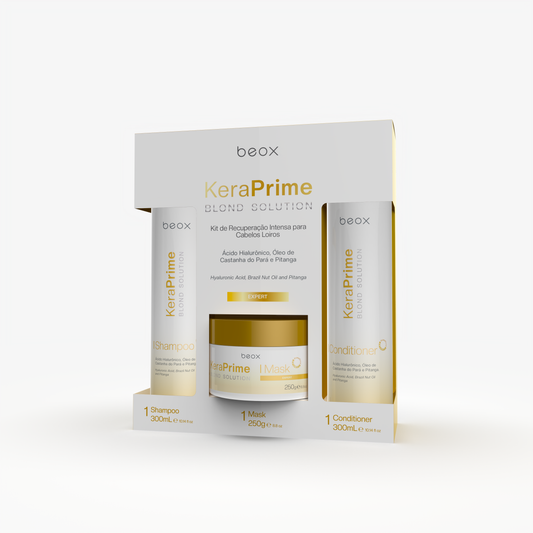
Not all bleached hair has the same care requirements. The level of lift, the frequency of processing, and the starting hair condition all determine the intensity of care needed. For clients who are platinum blonde, double-processed, or undergoing regular highlights, the care protocol must be more intensive than for clients who have a subtle balayage on a medium base.
For a complete product-by-product breakdown tailored to different levels of lightening, from subtle highlights to full bleach, our dedicated resource on care for blonde and bleached hair provides targeted recommendations that match the level of chemical processing to the appropriate care protocol — ensuring that no client is over-treating or under-treating their hair.
Common Mistakes That Damage Bleached Hair Further
Even clients who follow a good routine often unknowingly make decisions that compound the damage of bleaching. Correcting these mistakes accelerates recovery and prevents ongoing deterioration:
- Bleaching on already damaged hair: Bleaching over hair that is already compromised increases the risk of breakage dramatically — a bond repair and protein reconstruction protocol should precede any further lightening
- Using hot tools daily on bleached hair: Bleached hair does not have the structural tolerance for daily thermal stress — alternating heat-styled days with air-dry days gives the hair critical recovery time
- Skipping toner maintenance: Brassy, yellow tones are aesthetically undesirable but they also indicate protein oxidation — regular toning in-salon and purple/blue shampoo at home slow this process
- Washing too frequently: Bleached hair is extremely porous and loses moisture with every wash — extending the time between washes to 3 to 4 days minimum preserves moisture, color, and structural integrity
- Using protein too frequently without moisture: Over-proteined bleached hair becomes stiff, brittle, and snappy — always balance protein treatments with an equal or greater frequency of moisturizing deep conditioning
- Swimming without protection: Chlorine and salt water both aggressively penetrate bleached hair, stripping color and protein — applying a leave-in and wearing a swim cap significantly reduces exposure
Professional Salon Maintenance for Bleached Hair
Maintaining bleached hair between appointments is essential — but the in-salon appointment itself is equally important for keeping bleached hair in optimal condition. The following professional services should be incorporated into every bleached client's appointment schedule:
- Toning every 4 to 6 weeks: Refreshes the tone, adds gloss, and reseals the cuticle after the natural oxidation process has occurred
- Bond repair treatment with every bleaching session: Applied before, during, and after the bleach to minimize disulfide bond breakage and maintain structural integrity
- In-salon deep conditioning every visit: A professional protein mask or reconstruction treatment applied in-salon after every bleaching or toning session replenishes what the chemical process has removed
- Trim every 6 to 8 weeks: Bleached hair develops split ends faster than unprocessed hair — regular trims prevent splits from travelling up the shaft and compromising length
Frequently Asked Questions: How to Care for Bleached Hair
How often should bleached hair be washed?
Bleached hair should be washed as infrequently as possible — ideally every 3 to 4 days. Every wash opens the already-porous cuticle, allowing moisture, color, and protein to escape. Extending wash intervals preserves tone vibrancy, reduces moisture loss, and gives the hair's natural sebum time to partially coat and protect the cuticle. On non-wash days, a dry shampoo applied at the roots extends freshness without water exposure at the lengths and ends.
What is the best treatment for bleached hair?
The most effective treatment protocol for bleached hair combines three elements: a bond repair treatment (to reform broken disulfide bonds), a professional protein reconstruction mask (to restore cortex density and elasticity), and a hydrating deep conditioner (to replenish moisture balance). Applied in this sequence weekly — bond repair first, protein mask second, moisturizing conditioner third — this protocol addresses every layer of bleach damage simultaneously and produces the most significant structural improvement over time.
Can bleached hair be restored to its original condition?
Bleaching causes permanent structural changes to the hair fiber — the melanin that is removed cannot be reintroduced, and the disulfide bonds that are broken cannot be completely reformed. However, through consistent bond repair treatments, protein reconstruction, and a disciplined care routine, bleached hair can be brought to a condition that feels, behaves, and looks remarkably healthy — with strong elasticity, shine, and minimal breakage. The goal is not restoration to pre-bleach chemistry, but rehabilitation to a functionally healthy and aesthetically beautiful state.
How often should protein treatments be done on bleached hair?
For most bleached hair, a protein-rich deep conditioning mask once per week is the recommended frequency. For severely bleached hair — particularly hair that has undergone multiple sessions or platinum bleaching — a protein treatment every 5 to 7 days combined with a moisturizing conditioner after every wash provides the most effective ongoing structural support. The key is to monitor the hair's response: if it begins to feel stiff, crunchy, or overly rigid, reduce protein frequency and increase moisture-focused conditioning until the balance is restored.
Is purple shampoo enough to maintain bleached hair?
No — purple shampoo is a tonal maintenance tool, not a conditioning treatment. It neutralizes brassy and yellow tones in bleached hair by depositing violet pigments but provides no protein reconstruction, moisture replenishment, or cuticle sealing. Purple shampoo should be used as one component within a comprehensive bleached hair care routine that also includes bond repair treatments, weekly protein masks, deep conditioning, and a cuticle-sealing finishing product. Used alone, purple shampoo manages tone without addressing the underlying structural deficits of bleached hair.