How to Fix Damaged Hair Fast: The Expert Repair Guide
Lip Store.euShare
There is a moment every person with damaged hair recognizes — standing in front of the mirror, watching the frizz, the breakage, the dullness, and wondering if it can ever truly be fixed. The answer is yes — and faster than most people expect. Knowing how to fix damaged hair fast is not about buying every product on the shelf — it is about understanding what your hair actually needs and applying the right solutions in the right order. This guide gives you that precision.
Why Hair Gets Damaged: Identifying the Root Cause First
Before applying any repair treatment, identifying the specific cause of the damage is critical. Applying the wrong solution to the wrong damage type wastes time, money, and can even worsen the hair's condition. Damaged hair typically falls into one or more of these categories:
- Chemical damage: Bleaching, coloring, perming, or relaxing — strips proteins, swells the cuticle, and increases porosity dramatically
- Heat damage: Daily flat iron, blow dryer, or curling iron use without thermal protection — lifts and fractures the cuticle, causing moisture loss and brittleness
- Mechanical damage: Aggressive brushing, tight elastic bands, and rough towel drying — causes physical breakage and cuticle abrasion
- Environmental damage: UV exposure, chlorine, salt water, hard water mineral buildup — depletes protein and erodes the outer protective layer
- Moisture-protein imbalance: Too much protein makes hair stiff and snappy; too much moisture makes it mushy and lacking elasticity — both produce breakage
Once the damage type is identified, the repair sequence becomes clear. The most common scenario in professional salon practice involves a combination of chemical and heat damage — and that is where the most dramatic fast repair results are achievable.
Step 1: Stop the Damage Immediately
The fastest way to fix damaged hair is to stop making it worse. Every day of continued damage adds weeks to the repair timeline. Before any treatment, implement these immediate protective measures:
- Switch to a sulfate-free shampoo — sulfates strip what little protein and moisture the hair still holds
- Reduce washing frequency to every 2 to 3 days — daily washing accelerates cuticle erosion on already damaged strands
- Apply a heat protectant at 230°C or above before every single heat styling session
- Detangle gently with a wide-tooth comb on damp, conditioned hair — never dry
- Replace cotton pillowcases with silk or satin — cotton creates friction and absorbs moisture aggressively overnight
- Avoid all tight hairstyles, elastic bands without fabric coating, and accessory clips with sharp edges
These measures do not repair existing damage — but they stop the damage from compounding, which is the essential first condition for any repair protocol to actually work.
Step 2: Deliver Deep Protein Reconstruction
Damaged hair is, at its core, a protein problem. The keratin and amino acid chains that form the hair's internal scaffold have been broken, depleted, or oxidized. The most direct and effective solution is to reintroduce concentrated proteins into the hair fiber — a process called protein reconstruction.
Professional protein treatments — including hair botox formulas and keratin reconstruction masks — work by infusing hydrolyzed proteins into the cortex of the hair shaft. These proteins fill the voids left by damage, restore internal structure, reduce porosity, and dramatically improve tensile strength and flexibility. The result is a strand that resists breakage, retains moisture, and behaves as if it has been genuinely repaired — because it has.
The frequency of protein reconstruction depends on damage severity. For mildly damaged hair, a professional protein mask once every two weeks is sufficient. For severely damaged, over-bleached, or structurally compromised hair, an initial intensive course of three to four protein treatments spaced one week apart accelerates recovery significantly.
Step 3: Restore Moisture Balance After Protein
Protein reconstruction alone is not enough. Protein without adequate moisture makes the hair stiff, brittle, and prone to snapping. Every protein treatment must be followed by a hydration phase that restores the moisture-protein equilibrium within the hair fiber.
Deep conditioning with hydrating, emollient-rich formulas — ideally containing hyaluronic acid, panthenol, and natural oils — replenishes the water content of the hair and seals the cuticle after the protein treatment opens it. This two-step sequence — protein first, moisture second — is the foundation of every effective professional hair repair protocol.
Step 4: Use a Professional Hair Mask Weekly
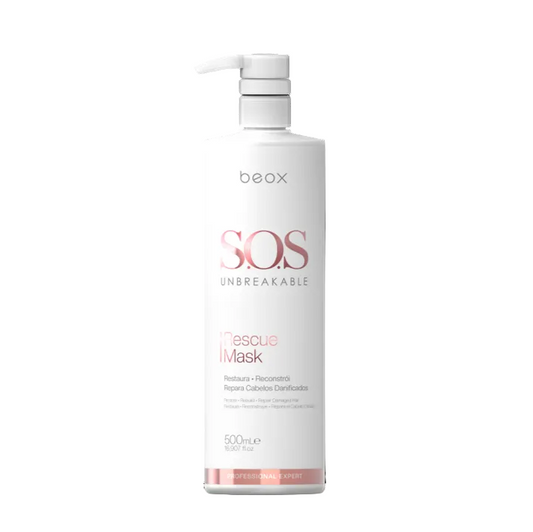
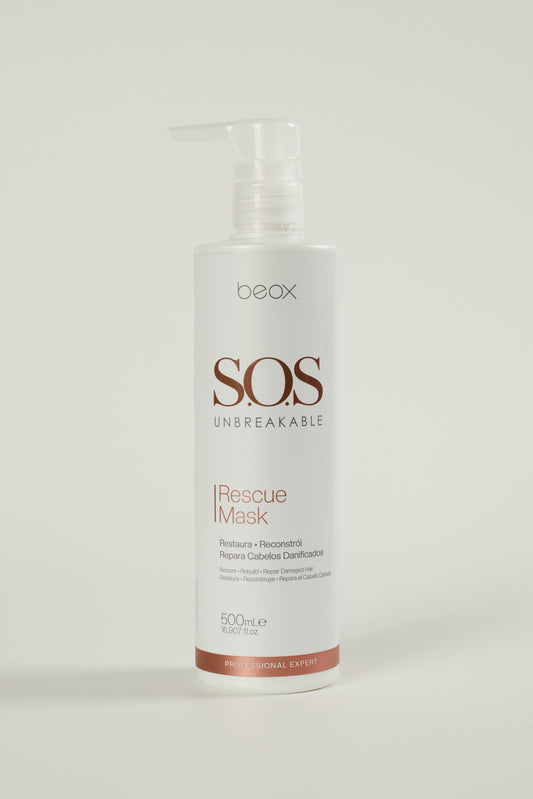
A once-weekly professional treatment mask is the single most impactful at-home habit for accelerating damaged hair repair. Unlike everyday conditioners — which primarily coat the surface — professional masks penetrate the cortex and deliver active repair ingredients where the damage actually exists.
The most effective masks for damaged hair contain a combination of hydrolyzed keratin, amino acids, ceramides, and deep-conditioning agents. Applied after shampooing, left on for a minimum of 10 to 20 minutes under heat, and rinsed thoroughly, a professional mask produces a measurable improvement in texture, elasticity, and shine with each use.
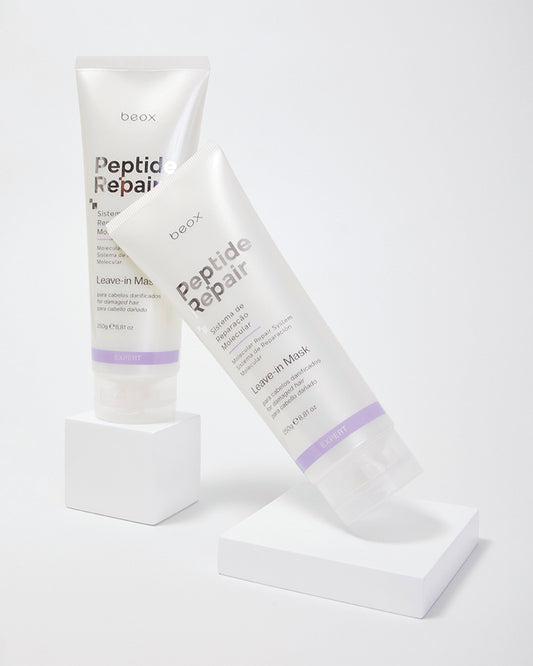
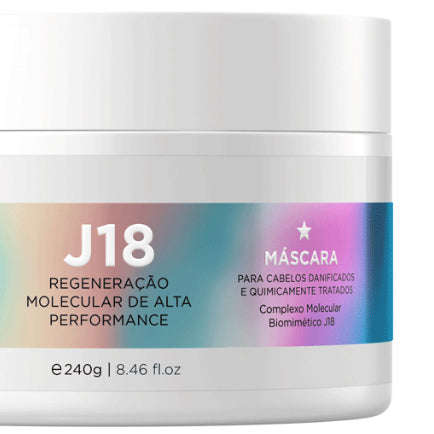
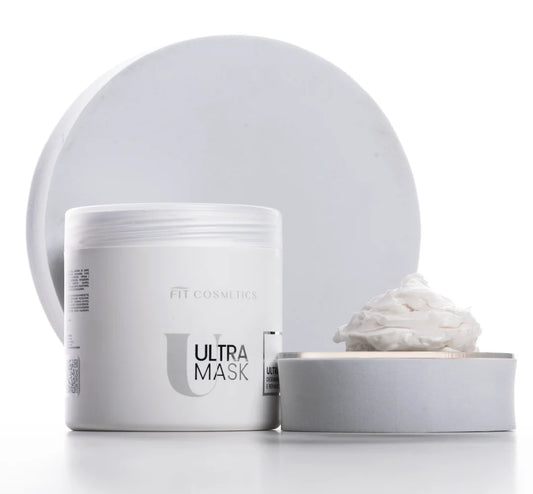
For clients and professionals seeking clinical-level at-home repair, our range of professional hair repair masks is specifically formulated to bridge the gap between salon treatments — delivering structural conditioning that standard retail products simply cannot match.
Step 5: Apply a Hair Serum Daily for Surface Protection
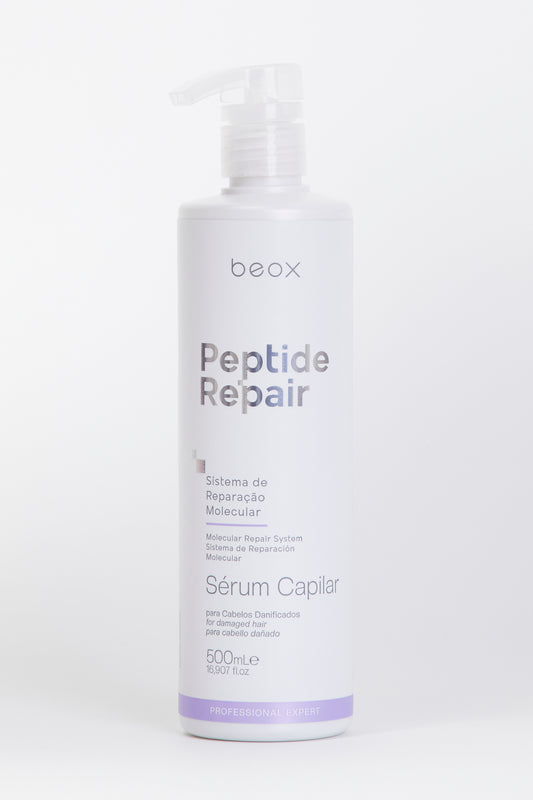
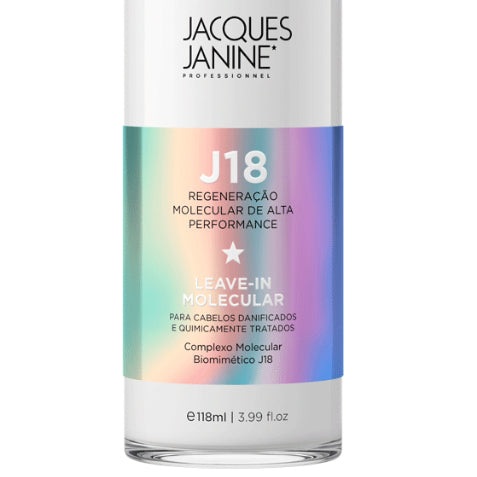
While protein masks and deep conditioners work at the structural level, a daily leave-in serum addresses the surface — sealing the cuticle, reflecting light, controlling frizz, and creating a protective barrier that guards the hair between wash days and against environmental aggressors.
A high-quality hair serum applied to mid-lengths and ends immediately after washing — on damp or dry hair — delivers several simultaneous benefits:
- Cuticle sealing that locks in moisture and prevents environmental humidity from causing frizz
- UV and thermal protection that reduces ongoing damage from heat styling and sun exposure
- Instant detangling and improved manageability that reduces mechanical damage during styling
- Visible shine enhancement through light reflection from a smooth cuticle surface
- Anti-static control that prevents hair from becoming charged and prone to breakage
For optimal results, our professional hair serum is engineered to complement deep conditioning protocols — delivering finishing protection and daily defense that extends the results of every repair treatment applied.
Step 6: Invest in Professional In-Salon Treatment
At-home repair is powerful — but it operates at a different level of penetration and efficacy than professional salon treatments. The most effective way to fix damaged hair fast is to combine an intensive in-salon treatment with a disciplined at-home maintenance routine.
Professional treatments that deliver the fastest results for damaged hair include:
- Keratin smoothing treatments: Repair the cortex, seal the cuticle, and eliminate frizz for 3 to 6 months — the most efficient single treatment for chemically damaged or heat-damaged hair
- Hair botox treatments: Fill the depleted cortex with protein, amino acids, and hyaluronic acid — ideal for fine, fragile, or over-bleached hair needing volume and structural restoration
- Bond repair treatments: Reform disulfide bonds broken by bleach and chemical processing — reduce breakage by up to 90% and restore hair's native strength from the molecular level up
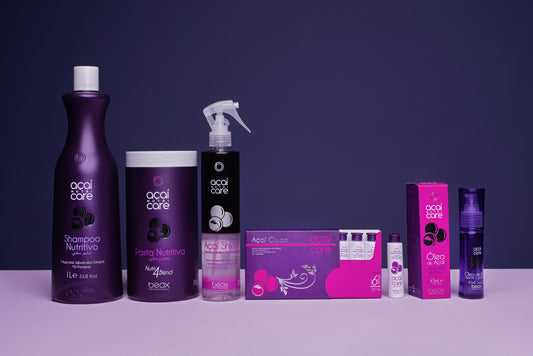
For clients and salon professionals who want comprehensive access to repair formulas, application guides, and professional-grade product systems, our complete line of professional hair repair products covers every stage of the repair journey — from initial reconstruction to long-term maintenance.
How Fast Can Damaged Hair Be Fixed?
The timeline for fixing damaged hair fast depends on the severity of the damage and the consistency of the repair protocol applied. Realistic expectations by damage level:
- Mild damage (heat styling without protection, occasional color): Visible improvement within 2 to 4 weeks of consistent at-home care plus one professional treatment
- Moderate damage (regular coloring, some bleach, daily heat): Significant improvement within 4 to 8 weeks with weekly masks, daily serum, and one to two professional treatments
- Severe damage (heavy bleaching, chemical relaxers, years of over-processing): Structural improvement takes 3 to 6 months of intensive repair — with noticeable texture and manageability improvements from the first week
The key distinction is that improvement begins immediately — even severely damaged hair shows measurable texture and manageability gains from the very first professional treatment or intensive mask session. What takes time is restoring the hair to its pre-damage structural baseline — a process that no single product or treatment can achieve alone.
The Role of Nutrition in Hair Repair
Hair repair is not only a topical challenge — it is also an internal one. The hair fiber is a dead structure, meaning it cannot self-repair; but the follicle that produces new hair depends entirely on the body's nutritional resources. Supporting hair repair from within accelerates the growth of stronger, healthier new hair — which progressively replaces the damaged lengths as time passes.
The most impactful nutritional factors for hair health and recovery include:
- Protein intake: Hair is made of keratin — a protein. Inadequate dietary protein directly limits the quality of new hair growth
- Biotin (Vitamin B7): Essential for keratin synthesis — deficiency is directly associated with hair brittleness and increased shedding
- Iron: Required for oxygen delivery to the follicle — iron deficiency is one of the leading causes of hair thinning and reduced hair density in women
- Zinc: Critical for protein synthesis and follicle structure maintenance — deficiency causes hair loss and impaired regrowth
- Omega-3 fatty acids: Reduce scalp inflammation and support sebum production — essential for follicle health and hair elasticity
Common Mistakes That Prevent Fast Hair Repair
Understanding what not to do is as important as knowing the correct repair steps. These are the most common mistakes that significantly slow — or completely reverse — damaged hair recovery:
- Over-proteining: Applying protein treatments too frequently without hydration creates a protein overload — the hair becomes dry, stiff, and more prone to breakage, not less
- Skipping heat protection: Continuing to use heat tools without a thermal protectant on already damaged hair cancels out every repair effort
- Using sulfate shampoos: Every wash with a sulfate-containing shampoo strips the protective coating that repair treatments create — undoing days of progress
- Applying masks for too short a time: Leaving a professional mask on for only 2 to 3 minutes delivers surface conditioning only — the active ingredients need minimum 10 to 20 minutes to penetrate the cortex
- Neglecting ends: The oldest, most damaged part of the hair is the ends — if products are applied primarily to roots, the most compromised sections receive no treatment
- Expecting overnight results from at-home products: Even professional-grade at-home products require consistent use over 4 to 8 weeks to produce structural change
Frequently Asked Questions: How to Fix Damaged Hair Fast
What is the fastest way to repair damaged hair at home?
The fastest at-home repair combination is: a professional-grade protein mask used weekly, a hydrating conditioner applied after every wash, a daily hair serum on mid-lengths and ends, and an immediate switch to sulfate-free haircare products. Together, these four steps — applied consistently — can produce visible texture improvement within 2 to 4 weeks. For the fastest results, combine this routine with at least one professional in-salon treatment during the same period.
Can you fix severely damaged hair without cutting it?
Severely damaged hair — particularly hair that has been heavily bleached or chemically over-processed — can be significantly improved without cutting, particularly through intensive protein reconstruction treatments and professional salon protocols. However, the damage at the ends of very compromised hair is often irreversible at the structural level. A strategic trim of 2 to 4 centimeters removes the most deteriorated lengths and allows repair treatments to work more effectively on the remaining, less-damaged sections.
How often should I use a hair mask on damaged hair?
For damaged hair, a professional mask applied once per week is the standard recommendation. In cases of severe damage — particularly post-bleach or post-chemical treatment — using a mask twice per week for the first four to six weeks produces a faster recovery curve. After the initial intensive repair phase, dropping to once per week for maintenance sustains the results.
Is hair serum necessary if I already use a conditioner?
Yes — conditioner and hair serum serve different functions. Conditioner works primarily during the wash to temporarily smooth the cuticle and add moisture; it is rinsed out before leaving the shower. A hair serum is a leave-in product that remains on the hair between washes, providing continuous cuticle protection, frizz control, UV shielding, and thermal defense. For damaged hair, both are necessary and complement each other rather than duplicate the same function.
How long does it take to fix damaged hair?
The timeline depends on severity. Mild damage typically shows significant improvement within 2 to 4 weeks of consistent care. Moderate damage responds within 4 to 8 weeks. Severe damage — particularly from heavy bleaching or years of chemical processing — requires a 3 to 6 month intensive repair protocol before achieving structural normalization. In all cases, improvement in texture, shine, and manageability begins from the very first week of correct treatment application.