How to Fix Frizzy Hair in Humidity: The Complete Expert Guide
Lip Store.euShare
Humidity is the number one enemy of smooth, defined hair — and if you have struggled to fix frizzy hair in humidity, you already know how quickly all your styling effort can unravel the moment you step outside. The science behind this is simple: when the air is saturated with moisture, hair fibers absorb water vapor through the cuticle, causing each strand to swell, expand, and lose its shape. The result is the all-too-familiar puffiness, flyaways, and loss of definition that affect millions across Europe every single day.
Whether you are a salon professional advising clients on humidity-resistant styling solutions or a consumer searching for a permanent answer to unpredictable weather, this guide gives you everything you need: the science, the strategy, and the products that actually work.
Why Does Humidity Cause Frizz? The Science Behind the Problem
Understanding why humidity causes frizz is the first step toward solving it. Hair is naturally hygroscopic — meaning it absorbs and releases moisture in response to its environment. When the relative humidity rises, dry or damaged hair fibers absorb moisture aggressively, causing the hydrogen bonds within the hair's cortex to reform in a disorganized pattern.
The result is a disrupted cuticle that lifts, swells, and loses its sealed, smooth alignment. The more porous the hair — due to chemical treatments, heat damage, or natural structure — the more aggressively it reacts to humidity. This is why high-porosity hair types are disproportionately affected and why generic anti-frizz sprays provide only temporary, superficial relief.
True humidity protection requires sealing the cuticle, replenishing the hair's natural protein and moisture balance, and creating a protective barrier that prevents external moisture from penetrating the hair fiber in the first place.
The Most Effective Strategies to Fix Frizzy Hair in Humidity
There is no single solution to humidity-induced frizz — lasting results come from a combination of treatment, technique, and product selection. Here are the most effective, professionally validated approaches:
- Protein and moisture balance: Hair that is protein-deficient or chronically dehydrated is far more susceptible to humidity. Restoring the internal structure of the hair fiber with hydrolyzed proteins and deep conditioning treatments creates a more resilient, frizz-resistant foundation
- Cuticle sealing treatments: Professional-grade treatments that seal the cuticle layer — such as keratin-based systems — dramatically reduce the hair's ability to absorb atmospheric moisture, the root cause of humidity frizz
- Anti-humidity styling products: Serums, creams, and sprays formulated with silicones, polymers, or natural oils create a micro-film over the hair shaft that repels moisture and locks in the style
- Cold-water rinse technique: Finishing the shower with a cold-water rinse forces the cuticle to close tightly, reducing porosity and improving resistance to environmental moisture
- Blow-dry technique: Blow-drying with a concentrator nozzle while directing heat downward along the hair shaft seals the cuticle and significantly reduces the volume of entry points for humidity
- Protective hairstyles: Sleek braids, twists, and updos physically prevent humidity from disrupting the hair's surface, making them ideal for high-humidity travel days or outdoor events
Professional Treatments That Permanently Fix Humidity Frizz
For clients who need more than a day-to-day solution, professional salon treatments offer the most reliable and long-lasting protection against humidity-induced frizz. These treatments address the structural causes of frizz rather than simply masking the symptoms.
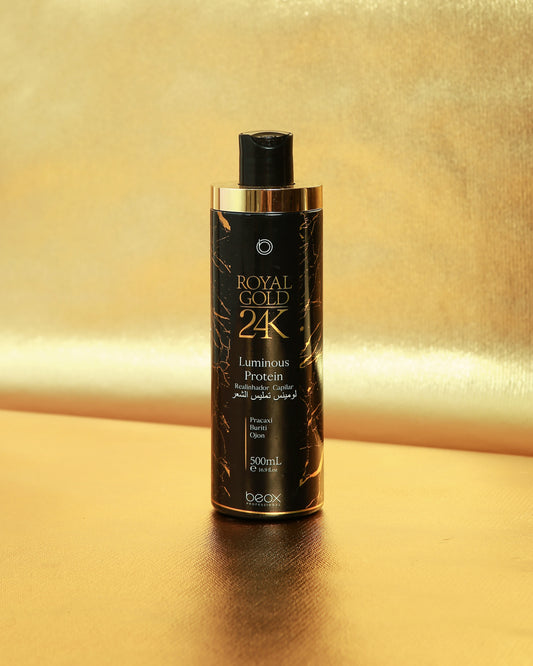
Among all professional options, keratin smoothing treatments remain the gold standard. By infusing hydrolyzed keratin directly into the hair's cortex and sealing it with heat, these systems restructure the internal protein network of the hair — creating a permanently smoother surface that is inherently resistant to moisture absorption. The result is hair that maintains its shape, definition, and smoothness even in high-humidity environments, without sacrificing natural movement or manageability.
For salon professionals building a high-value service menu, understanding the full technical picture of humidity frizz — including its causes, the correct treatment protocol, and the ideal aftercare products — is essential. Our complete expert guide to permanently eliminating frizz covers the full professional protocol in detail.
Best Product Types for Frizzy Hair in Humidity
Choosing the right products is critical for humidity frizz management. The European market offers a wide range of formulas, but not all deliver the same level of protection. Here are the product categories that provide the most reliable results:
- Anti-humidity serums: Lightweight, silicone-based serums create an instant barrier over the cuticle, repelling moisture and adding mirror-like shine — ideal for fine to medium hair types
- Leave-in conditioners with humectants: Products containing glycerin, panthenol, or aloe vera attract and bind moisture to a controlled level inside the hair, preventing the uncontrolled swelling that causes frizz
- Smoothing creams and butter: Heavier emollient formulas that physically coat the cuticle and provide sustained frizz resistance throughout the day — best suited for thick, coarse, or highly curly hair
- Anti-humidity sprays and finishing mists: Applied as the final styling step, these products lock in the style and create a humidity-resistant shield over the finished look
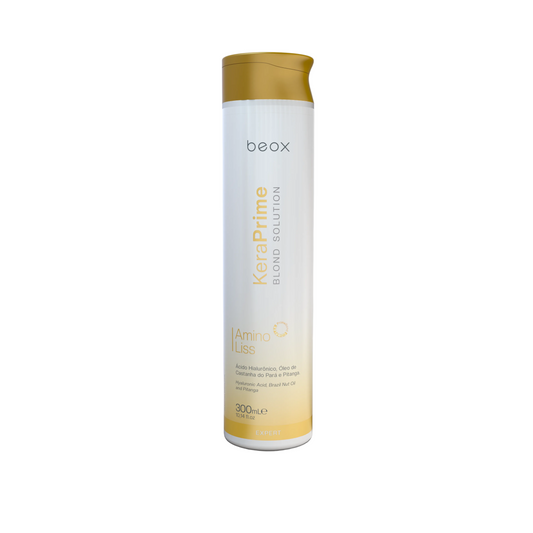
- Keratin-infused styling products: Shampoos, conditioners, and leave-ins formulated with hydrolyzed keratin both protect and gradually reinforce the hair's natural protein structure with each use
For a complete breakdown of the most effective humidity-fighting formulas on the market, explore our professional guide to the best products for frizzy hair, curated specifically for salon professionals and demanding consumers.
Seasonal Considerations: Protecting Your Hair Across European Climates
Humidity frizz is not exclusively a summer problem — though summer undeniably brings the greatest challenge. Across Europe, humidity levels and environmental stressors vary dramatically by season and geography, and an effective anti-frizz strategy must account for these variables.
In the summer months, heat compounds the impact of humidity by opening the cuticle further, accelerating moisture absorption, and intensifying UV damage that increases porosity over time. Managing frizz in summer requires a dual strategy: sealing the cuticle while simultaneously protecting the hair from solar radiation. Learn how to build a complete summer-ready hair care routine in our guide to protecting your hair from sun damage.
In autumn and winter, indoor heating systems reduce ambient humidity significantly but create a different problem: static and dryness that causes flyaways and mechanical frizz. During these months, the focus should shift toward intense moisture replenishment and anti-static products rather than purely humidity-blocking formulas.
How to Build a Complete Anti-Frizz Routine for Humid Climates
A reliable anti-frizz routine in humidity-prone environments follows a clear layering logic: cleanse, treat, protect, and seal. Each step builds on the previous one, creating a comprehensive defense system that holds in even the most challenging conditions.
- Cleanse: Use a sulfate-free, moisture-balancing shampoo that cleanses without stripping the hair's natural lipid layer — a depleted lipid layer dramatically increases porosity and humidity susceptibility
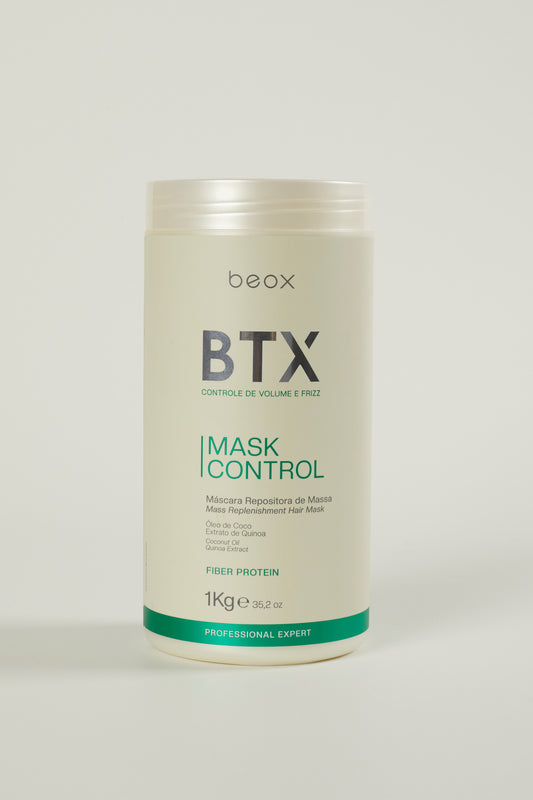
- Treat: Apply a deep conditioning mask or protein treatment weekly to maintain the hair's internal balance and minimize structural porosity
- Apply leave-in protection: Before blow-drying, distribute a leave-in conditioner or lightweight serum throughout damp hair to begin building the anti-humidity barrier
- Blow-dry correctly: Use medium heat with a concentrator nozzle, directing airflow downward to seal the cuticle before any environmental moisture can be absorbed
- Seal and finish: Apply an anti-humidity serum or finishing spray over the completed style to lock everything in and create the final moisture-repelling layer
Frequently Asked Questions
Why does my hair frizz more on humid days even after styling?
Even after styling, hair with an open or damaged cuticle continues to absorb moisture from the air. This causes the internal hydrogen bonds to shift and the hair to expand unevenly, destroying the style. Sealing the cuticle through professional treatments and the correct use of anti-humidity products is the only lasting solution.
What is the best professional treatment to fix frizzy hair in humidity?
Keratin smoothing treatments are consistently the most effective professional solution for humidity-induced frizz. They work by restructuring the hair's internal protein network and sealing the cuticle, which dramatically reduces the hair's ability to absorb atmospheric moisture and maintains smoothness even in the most humid conditions.
Can I fix humidity frizz with drugstore products alone?
Over-the-counter anti-frizz products can provide meaningful relief for mild to moderate frizz in low to moderate humidity. However, for high-porosity hair or genuinely high-humidity environments, professional-grade treatments and formulas — particularly keratin-based systems and concentrated serums — deliver significantly superior and longer-lasting results.
Does cutting or trimming hair help reduce frizz in humidity?
Regular trims remove split and damaged ends, which are the most porous and humidity-reactive parts of the hair. Maintaining healthy, sealed ends reduces overall frizz reactivity and helps anti-frizz products perform more effectively across the entire hair length.
How long does a professional anti-frizz treatment last?
Professional keratin smoothing treatments typically last between 3 and 6 months depending on the formula, the hair type, and the consistency of aftercare. Using sulfate-free, keratin-safe shampoos and conditioners — combined with regular application of anti-humidity styling products — maximizes the longevity of the treatment and extends protection between salon visits.