How to Hydrate Extremely Dry Hair: The Expert Guide
Lip Store.euShare
Extremely dry hair is not just a cosmetic problem — it is a structural one. When the hair fiber is severely dehydrated, the cuticle lifts, moisture evaporates, and the cortex becomes fragile and prone to breakage. If deep conditioning alone is no longer working, your hair is sending a clear signal: it needs a complete hydration strategy, not just a quick fix. This guide gives you exactly that.
Understanding Why Hair Becomes Extremely Dry
Before choosing the right treatment, it is essential to understand what causes extreme dryness at a structural level. Hair loses moisture through multiple pathways, and identifying the root cause determines which solution will actually work.
The most common causes of extreme hair dryness include:
- Repeated chemical treatments (bleaching, coloring, relaxing, perming)
- Excessive heat styling without adequate protection
- Hard water exposure that deposits mineral buildup on the hair shaft
- Environmental factors such as UV radiation, wind, and low humidity climates
- Nutritional deficiencies affecting keratin production and scalp sebum
- Overwashing with sulfate-heavy shampoos that strip the hair's natural lipid barrier
In many cases, extreme dryness is the result of multiple overlapping factors. A targeted approach must address all contributing causes simultaneously — not just one in isolation.
The Science of Hair Hydration: What Really Works
Effective hydration goes far beyond applying moisture to the surface of the hair. True hydration requires penetrating the cortex, reinforcing the lipid barrier, and sealing the cuticle to prevent moisture from escaping. Products that only coat the surface deliver a temporary result — the hair looks better for a day, then returns to its dry, frizzy state.
The most effective hydration strategy involves three distinct actions working together:
- Humectants (glycerin, hyaluronic acid, aloe vera) – attract water molecules into the hair shaft
- Emollients (shea butter, avocado oil, squalane) – fill gaps in the cuticle and smooth the surface
- Occlusives (argan oil, castor oil, silicones in professional formulas) – seal the cuticle and lock moisture in
A complete hydration protocol layers these three functions across different product steps — from wash to finish — for lasting results that compound over time.
Step-by-Step Hydration Routine for Extremely Dry Hair
Step 1: Clarifying Pre-Wash
Before any hydration treatment, remove mineral buildup, product residue, and scalp sebum that block active ingredients from penetrating the hair shaft. Use a clarifying or detox shampoo once a month, or more frequently if you live in a hard water area. This step is often skipped — and it is the reason many treatments underperform.
Step 2: Hydrating Sulfate-Free Shampoo
Switch permanently to a sulfate-free shampoo enriched with humectants and gentle cleansing agents. This preserves the hair's natural moisture barrier while still cleansing the scalp effectively. Limit washing to 2–3 times per week. Frequency is as important as formula — overwashing is one of the fastest ways to undo hydration progress.
Step 3: Reconstructive Conditioner
Apply a rich, protein-balanced conditioner from mid-lengths to ends after every wash. Leave it on for at least 3–5 minutes before rinsing with cool water to close the cuticle. A high-quality conditioner creates an immediate sensory improvement while laying the groundwork for longer-term moisture retention.
Step 4: Weekly Deep Hydration Mask
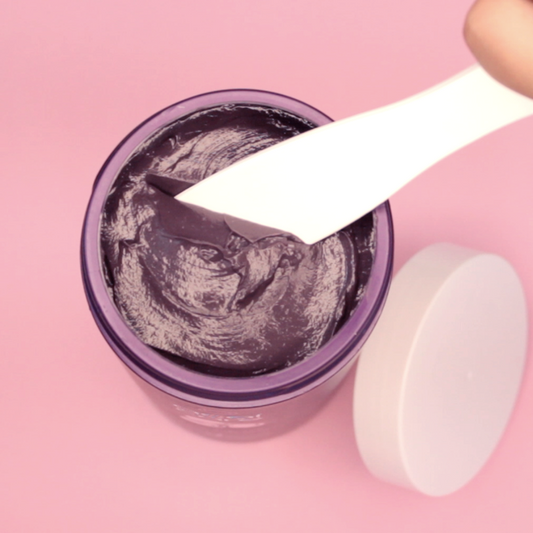
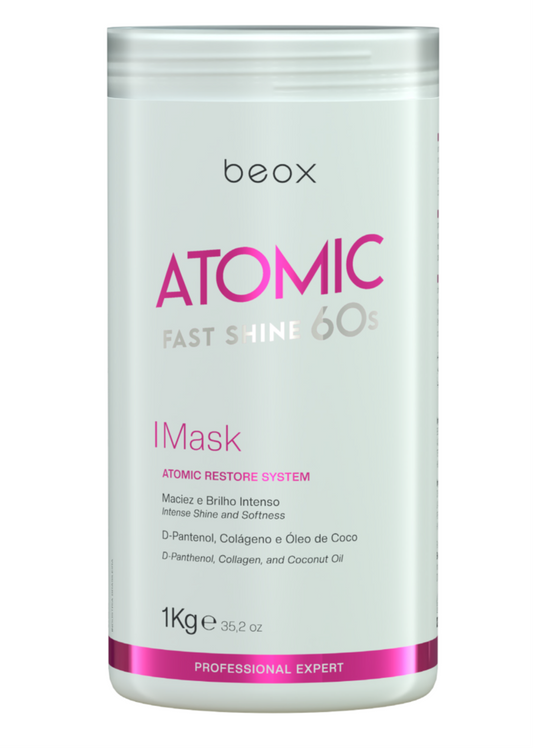
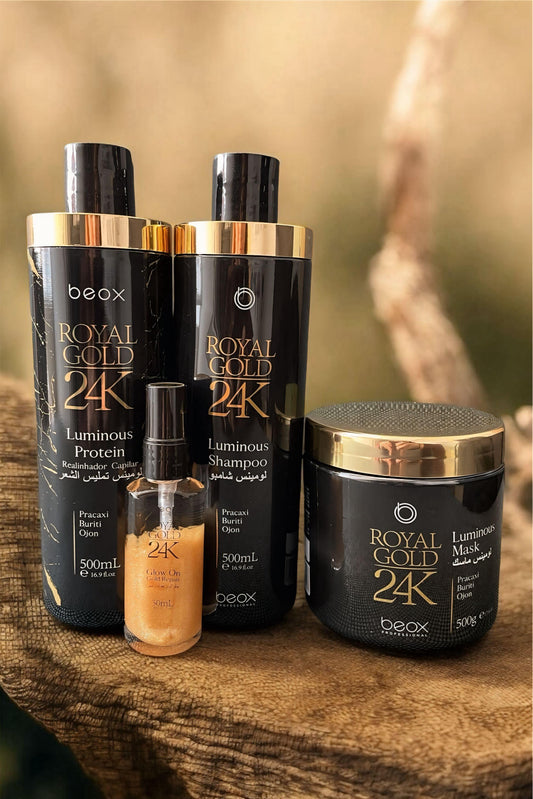
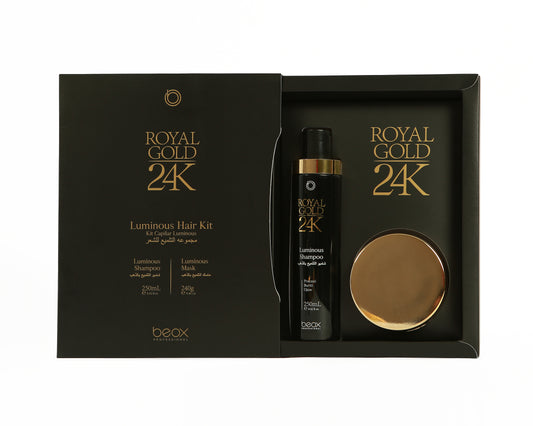
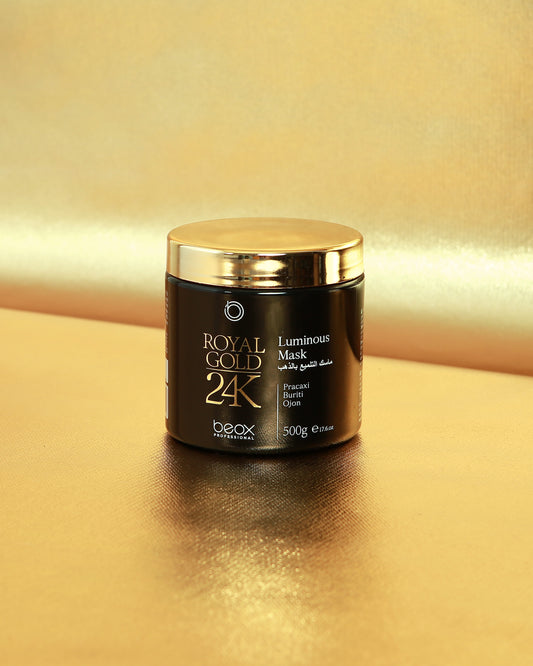
The most impactful step for severely dry hair. Apply a professional-grade deep conditioning mask once or twice a week, depending on damage severity. Leave it on for 15–30 minutes under a shower cap with gentle heat to maximize penetration. For extreme cases, use a steam treatment or thermal cap to open the cuticle and allow active ingredients to reach the cortex. Explore our full range of professional hair masks designed specifically for intense hydration and structural repair.
Step 5: Leave-In Treatment
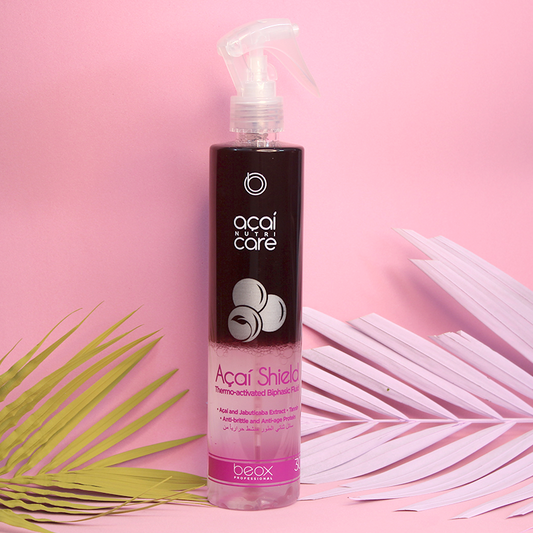
After washing and conditioning, apply a leave-in treatment to damp hair. This step delivers continuous hydration throughout the day, detangles without mechanical stress, and forms a protective layer against humidity, UV exposure, and friction. A leave-in is not a luxury — for extremely dry hair, it is a daily necessity.
Step 6: Hair Oil or Serum
Finish every routine with a carefully chosen hair oil or lightweight serum applied to dry or slightly damp hair. Oils do not hydrate on their own — they seal. Applied over a moisturized base, they lock in everything you have built through your routine and add the mirror-like shine that signals true hair health. Discover our curated selection of professional hair oils formulated to seal moisture and restore luminosity to even the most dehydrated hair.
Professional Treatments for Extreme Dryness
When at-home care is not enough, in-salon professional treatments offer a significant upgrade in both active concentration and delivery technology. The most effective options for extremely dry hair include:
- Hyaluronic acid hair infusion – injectable-grade hydration delivered directly into the hair shaft
- Bond repair treatment – rebuilds broken disulfide bonds compromised by chemical or mechanical stress
- Protein reconstruction – restores the keratin matrix depleted by bleaching and repeated styling
- Glossing treatment – seals the cuticle and adds lasting transparency and shine
- Scalp hydration treatment – addresses the root cause when dryness originates from sebum deficiency
For salon professionals building treatment menus, pairing a bond repair service with a deep hydration mask delivers the most complete recovery in a single session. For consumers, replicating this protocol at home requires the same layering logic — different products, same strategy.
Find the right starting point for your hydration journey by exploring our dedicated guide on dry and dehydrated hair — a complete resource for both professionals and individuals seeking lasting results.
Key Ingredients to Look for in Hydrating Products
Reading ingredient labels is the difference between buying marketing and buying results. For extremely dry hair, these are the non-negotiable actives:
- Hyaluronic acid – holds up to 1000x its weight in water inside the hair shaft
- Hydrolyzed keratin – fills structural gaps and restores tensile strength
- Panthenol (Pro-Vitamin B5) – penetrates the cortex and dramatically improves flexibility
- Ceramides – rebuild the lipid barrier between cuticle cells
- Aloe vera – natural humectant with anti-inflammatory benefits for the scalp
- Argan, marula, or jojoba oil – biomimetic oils that absorb without heaviness
Equally important is knowing what to avoid: sulfates, drying alcohols (alcohol denat., isopropyl alcohol), mineral oil as a primary ingredient, and formaldehyde-releasing preservatives. These ingredients counteract any hydration effort and worsen the cycle of dryness over time.
Lifestyle Factors That Impact Hair Hydration
Product quality alone cannot overcome consistently damaging habits. Sustainable hydration requires alignment between your product routine and your daily behaviors:
- Reduce heat styling frequency and always use a thermal protectant above 180°C
- Sleep on a satin or silk pillowcase to reduce friction and moisture loss overnight
- Drink sufficient water and maintain a diet rich in omega-3 fatty acids and biotin
- Rinse hair with filtered or softened water to prevent mineral deposit accumulation
- Protect hair from direct sun exposure with UV-filtering sprays or physical coverage
These adjustments do not replace a strong product routine — they amplify it. Hair that is treated well from the inside and the outside recovers faster, holds hydration longer, and requires less intensive intervention over time.
Frequently Asked Questions
How long does it take to hydrate extremely dry hair?
With a consistent professional-grade routine applied 2–3 times per week, visible improvement in texture and shine is typically noticeable within 3 to 4 weeks. Full structural recovery — including restored elasticity and reduced breakage — takes 6 to 12 weeks depending on the severity of the dryness and the cause.
What is the difference between dry hair and dehydrated hair?
Dry hair lacks oil — it produces insufficient sebum to coat the hair shaft naturally. Dehydrated hair lacks water — the internal moisture content of the fiber is depleted. Both conditions often coexist, but they require different primary treatments: dry hair needs oil-based emollients, while dehydrated hair needs humectants and water-binding actives first, sealed with oils afterward.
Can I hydrate dry hair without cutting it?
Yes — hydration treatments can dramatically improve the condition of dry hair without cutting it. However, if the ends show signs of severe structural damage (splitting beyond the surface), trimming 1–2 cm removes the most deteriorated fiber and allows the treatment to work more effectively on healthier sections.
How often should I use a deep conditioning mask for very dry hair?
For extremely dry hair, use a deep conditioning mask once or twice per week. Once the hair reaches a stable hydration level — typically after 6–8 weeks of consistent treatment — you can reduce to once per week as a maintenance routine.
Are hair oils enough to hydrate very dry hair on their own?
No. Hair oils are occlusives — they seal moisture but do not provide it. Applied to dry, dehydrated hair without prior hydration, oils lock in dryness rather than moisture. Always layer humectants and water-based treatments first, then seal with an oil or serum as the final step.