How to Stop Hair Breakage Immediately: The Expert Guide
Lip Store.euShare
Hair breakage is not a cosmetic inconvenience — it is a structural signal that something in your hair care routine, your environment, or your hair's internal composition has reached a breaking point. Knowing how to stop hair breakage immediately requires more than switching shampoos or cutting split ends. It requires a precise, layered intervention that addresses the cause at the root while protecting the hair that exists right now. This guide delivers exactly that — with expert precision and no guesswork.
What Causes Hair Breakage? Understanding the Root Problem
Breakage occurs when the hair shaft lacks the structural integrity to withstand the tension, friction, and manipulation placed on it every day. The cortex — the inner protein core of each strand — becomes depleted or degraded, the cuticle lifts and fractures, and the hair eventually snaps rather than stretching under stress.
The most common causes of hair breakage, in order of frequency and severity, include:
- Protein deficiency: Chemical processes, heat, UV exposure, and environmental damage deplete the keratin and amino acid chains that give the hair shaft its tensile strength — leaving the strand hollow, weak, and snap-prone
- Moisture imbalance: Hair that is chronically dry lacks the flexibility to bend under tension — it becomes brittle and breaks; hair that is over-moisturized without adequate protein becomes mushy and stretches until it snaps
- Chemical damage: Bleaching, coloring, relaxing, and perming break disulfide bonds within the cortex — the very molecular bridges that keep the hair structurally sound
- Heat damage: Excessive flat iron, blow dryer, and curling iron use fractures the cuticle layer, exposes the cortex, and causes progressive protein evaporation from within the strand
- Mechanical stress: Aggressive detangling, tight hairstyles, cotton pillowcases, and rough elastic bands create physical forces that exceed the hair's tensile limit at its weakest points
- Hard water mineral buildup: Calcium and magnesium deposits coat the hair shaft, stiffen the cuticle, and increase friction — making every manipulation more likely to result in breakage
Identifying the primary cause — or combination of causes — in your specific case is the essential first step. Treating breakage without understanding its origin produces temporary results at best.
How to Stop Hair Breakage Immediately: 8 Expert Steps
Step 1 — Eliminate All Mechanical Stress Today
Before any product is applied, the physical forces contributing to breakage must be removed. Mechanical stress is the fastest and most controllable cause to address — and the results are immediate.
- Switch to a wide-tooth comb or a detangling brush and work from ends to roots, never roots to ends
- Replace all cotton pillowcases with silk or satin immediately — cotton creates 10 times more friction than silk during sleep
- Eliminate tight ponytails, buns, and hair elastics without a fabric coating — these apply concentrated tension at the same point day after day
- Pat hair dry with a microfiber towel instead of rubbing with a standard bath towel — rubbing is one of the most common hidden causes of breakage
- Never brush or comb hair when it is completely dry and unprotected — always detangle on damp, conditioned hair
Step 2 — Stop All Sulfate-Containing Shampoos
Sulfate-based shampoos strip the hair's cuticle and remove the natural protein bonds and moisture that weakened hair depends on to avoid breaking. Switching to a sulfate-free shampoo is not optional for someone actively experiencing breakage — it is an immediate necessity.
Sulfate-free formulas cleanse the scalp and hair effectively without the aggressive surfactant action that degrades the outer cuticle layer. Within two to three washes, the difference in texture, manageability, and reduced shedding is noticeable to most clients.
Step 3 — Apply a Protein Treatment Within 48 Hours
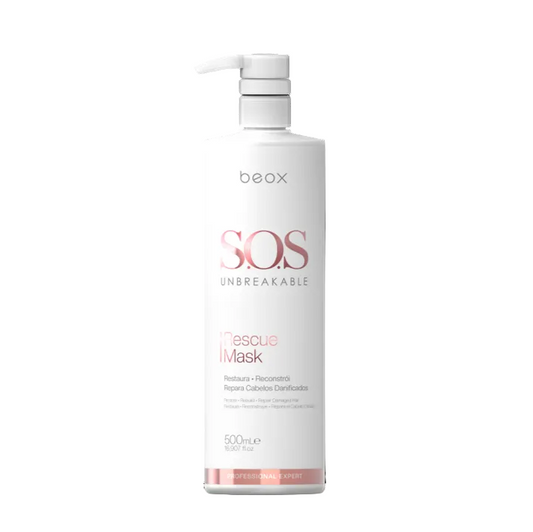
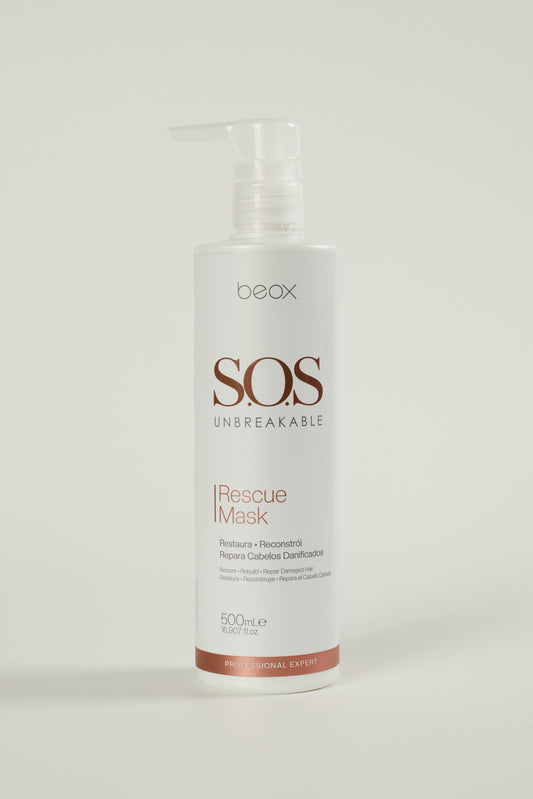
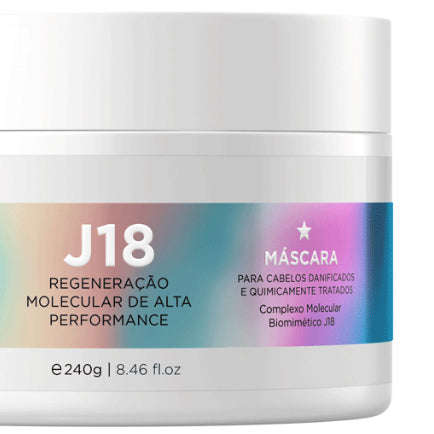
Breakage signals protein depletion. The fastest way to stop it is to reintroduce hydrolyzed proteins into the hair shaft — filling the structural gaps that make the strand weak. A professional protein mask or a bond-repair treatment applied within 48 hours of identifying the breakage issue begins reestablishing the cortex's structural capacity immediately.
Apply to damp hair after shampooing, section by section, working from roots to ends. Cover with a shower cap and apply gentle heat from a warm towel or hooded dryer for 15 to 20 minutes to open the cuticle and maximize penetration. Rinse thoroughly and follow immediately with a hydrating conditioner.
Step 4 — Use a Professional Conditioner After Every Single Wash
Conditioner is not optional for hair that is actively breaking. Every wash strips a degree of moisture and protein from the cuticle — conditioner replenishes and seals that cuticle before the hair is exposed to any further manipulation. Skipping conditioner on already weakened hair is the equivalent of removing a protective layer that the hair cannot afford to lose.
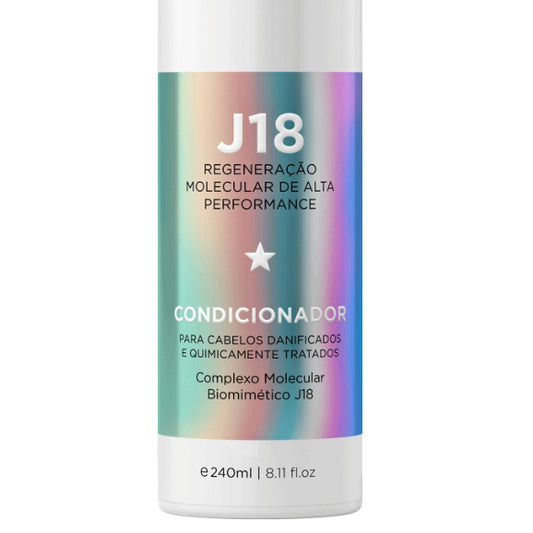
Professional conditioners formulated specifically for damaged or breakage-prone hair contain higher concentrations of amino acids, panthenol, ceramides, and film-forming agents than standard retail options. For clients experiencing active breakage, our professional hair conditioner is formulated to strengthen the cuticle, restore moisture-protein balance, and immediately reduce snap-off breakage from the first use.
Step 5 — Introduce Hair Oils for Cuticle Sealing and Lubrication
Hair oils serve a precise mechanical function: they coat the cuticle, reduce inter-fiber friction, and make the hair surface more pliable — which means it stretches under tension rather than snapping. Oils do not repair structural damage, but they reduce the physical forces that cause breakage on an ongoing basis, buying time for the internal repair treatments to rebuild the cortex.
The most effective oils for breakage reduction are those with small molecular weights that can partially penetrate the cuticle — such as argan oil, marula oil, and baobab oil — combined with heavier sealing oils like castor oil that coat and protect the surface. Applied to mid-lengths and ends on damp hair before drying, a small amount of the right oil dramatically reduces breakage during detangling and styling.
Our curated selection of professional hair oils includes formulas specifically engineered for high-porosity, breakage-prone, and chemically treated hair — providing the lubrication and surface protection that allow the hair to move and bend without breaking.
Step 6 — Reduce Heat Styling Immediately and Dramatically
Every pass of a flat iron or blow dryer on already weakened hair removes moisture from the cortex, lifts the cuticle further, and creates micro-fractures that become the next breakage point. The most impactful immediate action for stopping heat-related breakage is to reduce styling temperature and frequency simultaneously.
- Lower flat iron temperature to the minimum effective level — most hair types respond well at 180°C to 200°C
- Reduce blow-drying time by air-drying partially before using a dryer
- Apply a heat protectant rated for your styling temperature before every single heat tool use — without exception
- Limit heat styling to a maximum of three times per week during the active repair period
Step 7 — Address Hard Water and Environmental Damage
If you live in a hard water area — common across much of Northern, Central, and Southern Europe — the mineral deposits accumulating on your hair shaft are stiffening the cuticle and increasing breakage risk with every wash. A chelating or clarifying shampoo used once per month removes these deposits and restores the hair's natural flexibility and response to conditioning treatments.
UV exposure — significant in Mediterranean and Southern European regions — degrades the outer cuticle and the protein bonds within the cortex. A leave-in product with UV-filtering properties, applied before outdoor exposure, prevents this ongoing structural erosion.
Step 8 — Build a Complete Professional Repair System
Stopping breakage immediately requires addressing the surface — but keeping it stopped requires addressing the structure. A complete professional repair system combines cleansing, protein reconstruction, hydration, surface protection, and professional maintenance into a single coordinated protocol.
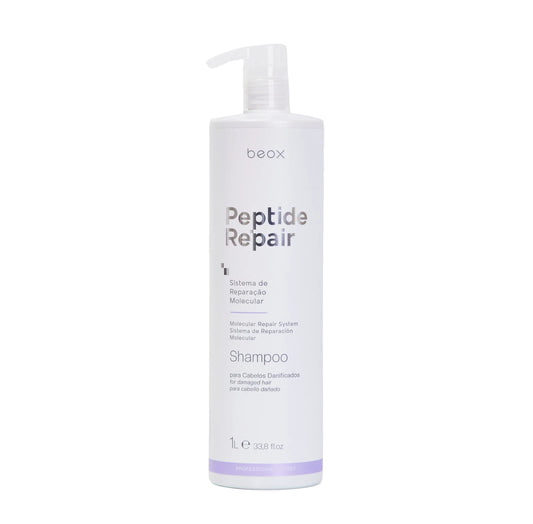
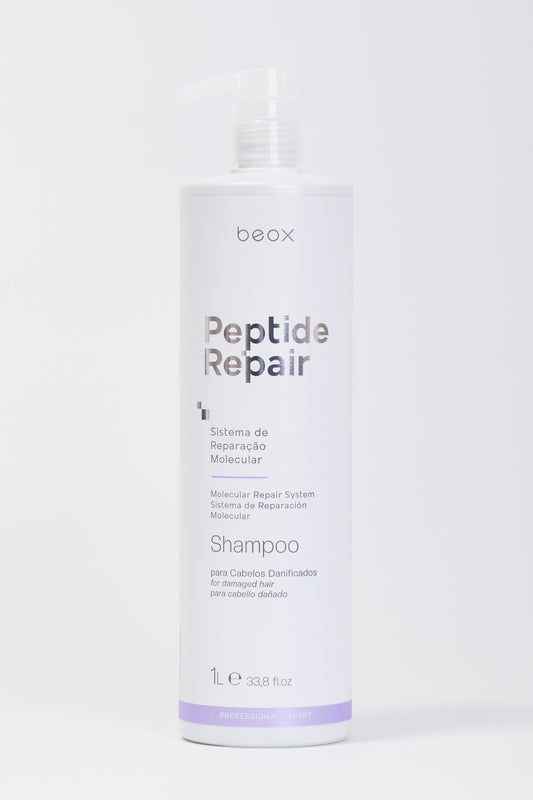
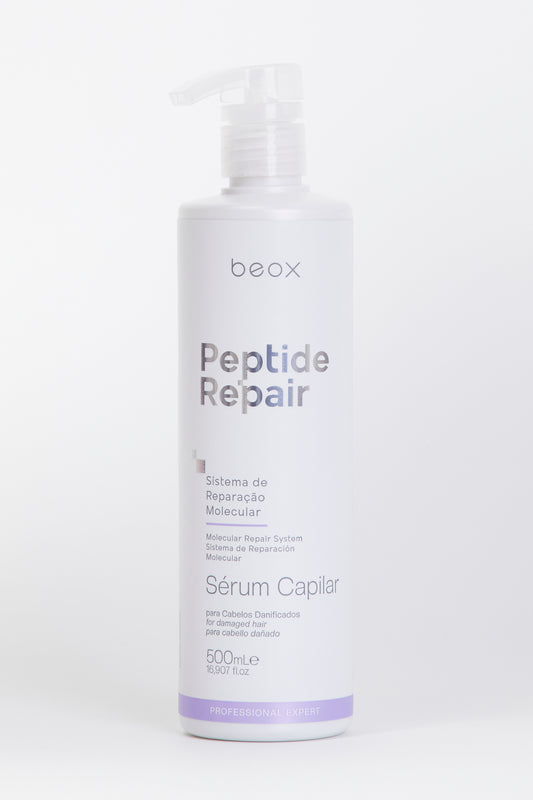
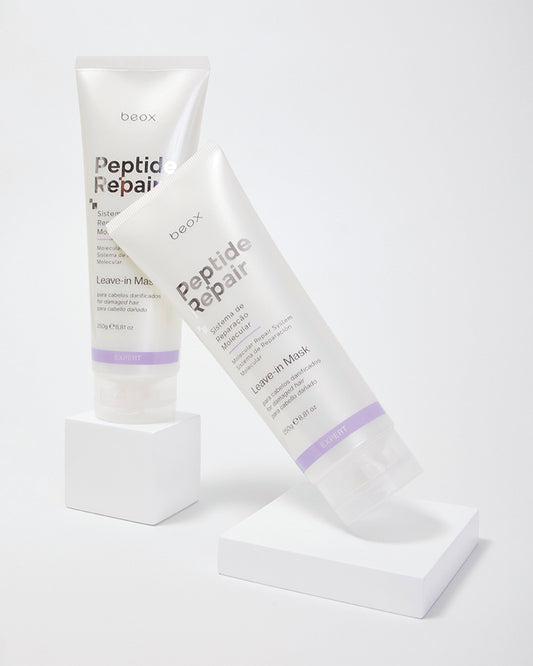
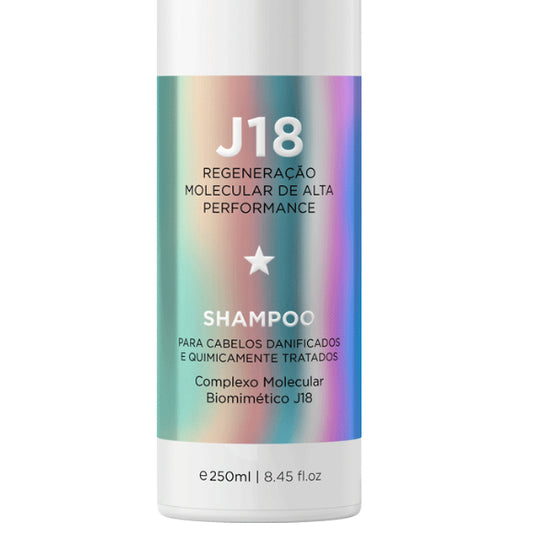
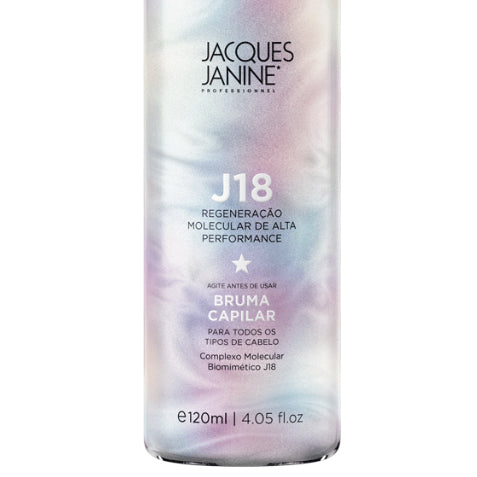
For salon professionals and clients who want a complete, clinic-grade approach to hair breakage, our full line of professional hair repair products covers every layer of the repair process — from internal protein reconstruction to surface cuticle protection — delivering measurable results from the very first application.
The Protein-Moisture Balance: The Master Key to Stopping Breakage
The single most important concept in stopping hair breakage is the protein-moisture balance. Hair that breaks is almost always either protein-deficient, moisture-deficient, or suffering from an imbalance between the two. Getting this balance right is not a one-time fix — it is an ongoing calibration that must be maintained through every stage of the repair protocol.
The practical rule is simple: after every protein treatment, apply a moisturizing conditioner. After every intense hydration treatment, use a light protein product. This alternating approach keeps the cortex structurally reinforced while maintaining the pliability and flexibility that prevent brittleness.
Signs of protein overload include hair that feels stiff, wire-like, and breaks with a clean snap. Signs of moisture overload include hair that feels mushy, stretches extensively before breaking, and lacks any resilience or bounce. Recognizing which side of the imbalance your hair is currently on directs the next treatment step.
Professional In-Salon Treatments That Stop Breakage Fast
While at-home care is essential for maintenance, the fastest way to stop severe breakage is through a professional in-salon treatment that delivers higher concentrations of active repair ingredients directly into the cortex under controlled heat and application conditions.
The most effective professional treatments for stopping hair breakage include:
- Bond repair treatments: Reform the disulfide bonds broken by bleach, color, and chemical processing — reduce breakage by up to 90% with a course of three to four applications
- Protein reconstruction treatments (hair botox): Fill the hollow cortex with hydrolyzed proteins, amino acids, and hyaluronic acid — rebuilding density and elasticity from within
- Keratin smoothing treatments: Simultaneously repair the cortex, seal the cuticle, and reduce frizz — eliminating the surface roughness that causes daily tangling and mechanical breakage
For salon professionals, recommending the correct treatment for each client's specific breakage cause — and combining it with the right at-home maintenance protocol — is the difference between a one-time result and a client who returns with genuinely improved hair month after month.
How Long Does It Take to Stop Hair Breakage?
With the correct protocol applied consistently, results are noticeable within the first week. Within 2 to 4 weeks of committed application of protein treatments, professional conditioner, hair oils, and reduced mechanical and heat stress, the majority of clients report a significant reduction in breakage during detangling and styling. Structural improvement — measured in elasticity, tensile strength, and porosity reduction — develops over 4 to 8 weeks of consistent repair protocol.
For severely damaged hair — particularly post-bleach or post-chemical treatment breakage — an intensive in-salon treatment combined with a disciplined at-home protocol delivers the fastest path to structural stabilization. The key variable is consistency: one missed step does not erase progress, but inconsistency significantly slows the repair curve.
Frequently Asked Questions: How to Stop Hair Breakage Immediately
What is the fastest way to stop hair breakage?
The fastest immediate actions are: eliminate all mechanical stress (switch pillowcase, change detangling method, remove tight hairstyles), apply a professional protein mask within 48 hours, follow with a hydrating conditioner, apply a hair oil to mid-lengths and ends, and stop all sulfate-based shampoo use. Together, these steps create an immediate protective and reconstructive environment for the hair. Visible reduction in breakage is typically noticeable from the first wash following these changes.
Is hair breakage caused by lack of moisture or lack of protein?
Both — and this is one of the most misunderstood aspects of breakage. Protein deficiency creates a weak, hollow cortex that snaps under tension. Moisture deficiency creates a brittle, inflexible strand that cracks and breaks. Over-proteining without moisture creates the same brittleness as under-moisturizing. The goal is always balance: structural reinforcement from protein and flexibility from moisture. A strand elasticity test — wetting a single hair and stretching it — reveals which side of the imbalance is present. If it stretches excessively before breaking, it needs protein. If it breaks immediately with no stretch, it needs moisture.
Can hair oils actually stop breakage?
Yes — but not by repairing internal structure. Hair oils reduce breakage by lubricating the cuticle surface, reducing inter-fiber friction, and increasing the hair's pliability under mechanical stress. This means the hair bends instead of snapping during detangling, styling, and movement. Oils are most effective when used as part of a complete repair protocol alongside protein treatments and hydrating conditioners — they address surface vulnerability while the deeper treatments address structural weakness.
How do I know if my hair is breaking or shedding?
The distinction is straightforward: shed hairs have a white bulb at the root end — the follicle's natural telogen release. Broken hairs are shorter than full-length shed hairs, have no bulb, and appear at various lengths depending on where the break occurred along the shaft. If the short hairs you are seeing vary in length and have no white tip, they are broken strands — not shed hairs. Breakage requires a repair protocol; excessive shedding requires a different approach, often addressing nutritional deficiency, hormonal imbalance, or scalp health.
Should I cut my hair to stop breakage?
Cutting removes existing damage but does not address the cause of breakage. If the same conditions — lack of protein, moisture, heat protection, or correct haircare — continue after a trim, breakage will recur on the new lengths within weeks. A strategic trim of 2 to 3 centimeters removes the most compromised ends and reduces the tangling and mechanical stress that accelerates breakage — but it should be paired with a complete repair protocol, not used as a standalone solution.