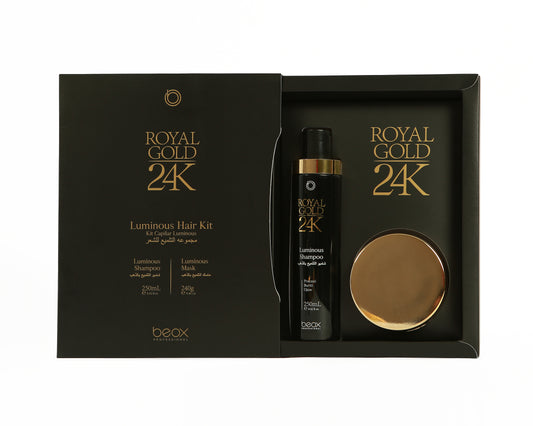
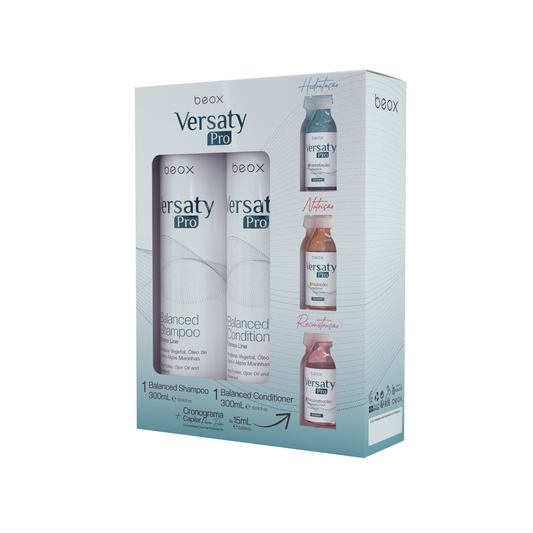
Perfect Hair Care Routine Step by Step: The Expert Guide
Lip Store.euShare
Most people wash their hair and call it a routine — but there is a profound difference between going through the motions and following a hair care routine that actually works. The right sequence of steps, applied consistently with the right products, is what separates hair that merely looks clean from hair that is genuinely healthy, strong, and visibly transformed. Whether you are a salon professional refining your client protocol or an individual ready to stop guessing, this step-by-step guide gives you the complete framework.
Why a Structured Hair Care Routine Makes All the Difference
Hair health is cumulative. Every wash, every treatment, and every product choice either adds to or subtracts from the long-term condition of the hair fiber. A structured routine eliminates randomness — it ensures that every step builds on the last, that no critical phase is skipped, and that active ingredients work synergistically rather than against each other.
The consequences of an unstructured approach are visible over time:
- Product buildup that blocks moisture from penetrating the hair shaft
- Protein-moisture imbalance leading to stiffness or breakage
- Cuticle damage from incorrect product application order
- Diminishing results despite increasing product spend
- Hair that looks good immediately after washing but deteriorates rapidly between sessions
A well-designed routine solves all of these problems simultaneously — and the benefits compound every week of consistent practice.
Understanding Your Hair Type Before You Start
No single routine works identically for every hair type. Before applying any protocol, identify where your hair sits on these key spectrums:
- Porosity (low, medium, high) – determines how quickly hair absorbs and releases moisture
- Density (fine, medium, thick) – affects how much product your hair can carry without weighing down
- Texture (straight, wavy, curly, coily) – determines moisture needs and styling requirements
- Condition (virgin, color-treated, chemically processed, heat-damaged) – drives which reparative actives are priorities
Understanding these factors allows you to adapt the universal routine framework below to your specific hair profile — choosing the right variants of each product for your precise needs rather than applying a generic approach.
The Perfect Hair Care Routine: Step by Step
Step 1: Pre-Shampoo Treatment (Optional but Highly Recommended)
Before any water touches the hair, apply a pre-shampoo oil or treatment to dry hair. This step creates a protective layer that prevents the shampoo from stripping too much natural moisture — particularly important for fine, fragile, or very dry hair. Massage into lengths and ends, leave for 10–20 minutes, then proceed to shampooing. For damaged or color-treated hair, this step can dramatically reduce post-wash dryness and tangles.
Step 2: Shampoo — Cleanse with Purpose
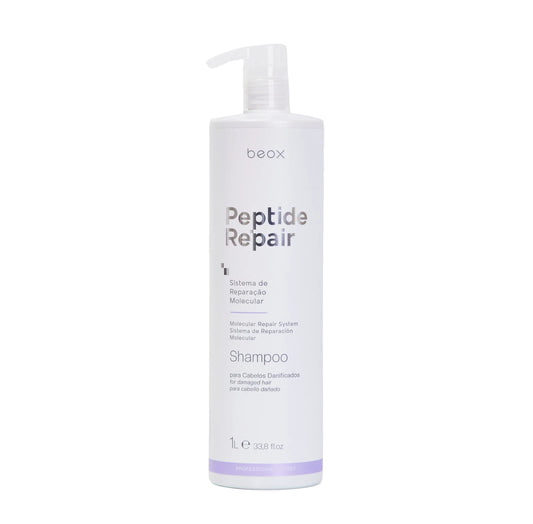
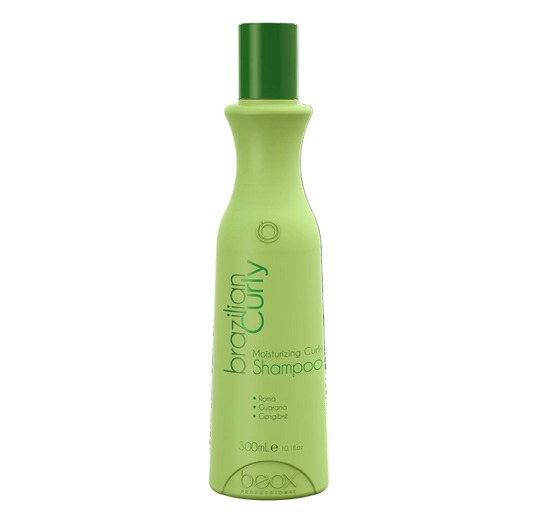
Shampooing is not simply wetting and rinsing — it is the foundation of everything that follows. A clean scalp and hair shaft allow all subsequent treatments to penetrate and perform effectively. Use a professional-grade shampoo matched to your hair type: sulfate-free for damaged or color-treated hair, clarifying once a month to remove mineral and product buildup, and targeted formulas (anti-dandruff, volumizing, moisturizing) according to your specific scalp and fiber needs.
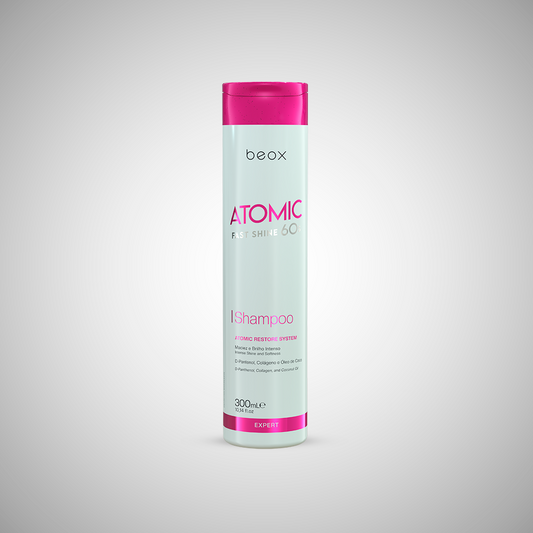
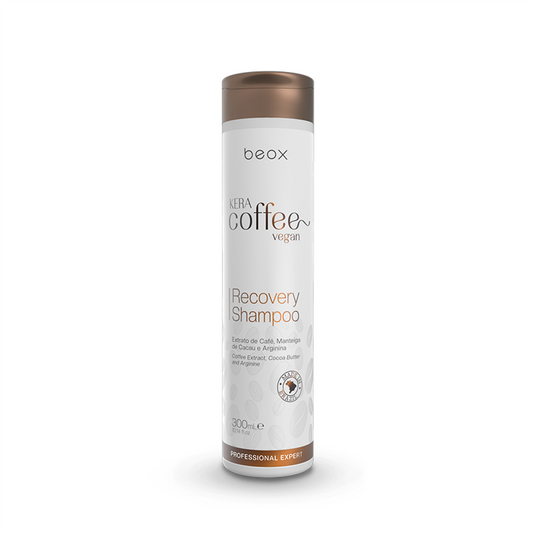
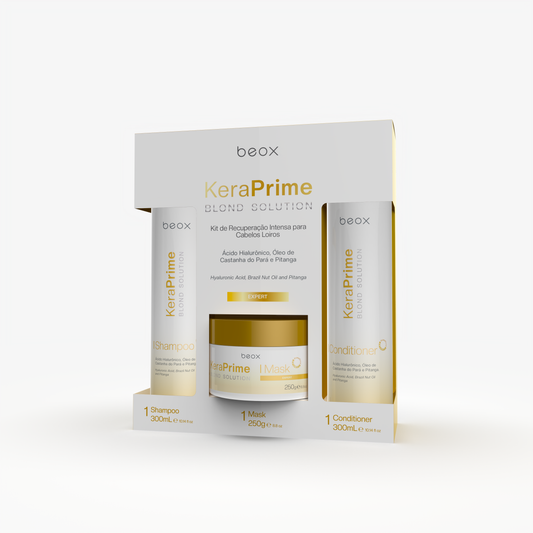
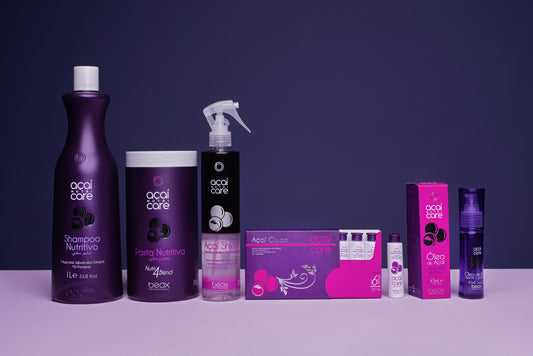
Apply to wet hair, work into the scalp with gentle circular massage, then distribute through the lengths without aggressive scrubbing. Rinse thoroughly — incomplete rinsing is one of the most common causes of product buildup and dull-looking hair. Explore our full range of professional shampoos developed for every hair type and condition.
Step 3: Conditioner — Restore, Detangle, Protect
Conditioner is the step that most people do correctly in theory but incorrectly in practice. Apply exclusively to the mid-lengths and ends — never to the roots or scalp, where it adds unnecessary weight and can clog follicles. Distribute evenly, use a wide-tooth comb to detangle gently, and leave on for a minimum of 3–5 minutes before rinsing with cool water to seal the cuticle.
Choose a conditioner matched to your hair's current condition: lightweight for fine hair, deeply moisturizing for dry or coarse hair, protein-balanced for chemically treated or heat-damaged hair. Discover our collection of professional conditioners formulated to restore softness, elasticity, and manageability with every wash.
Step 4: Deep Treatment Mask — Weekly Intensive Repair
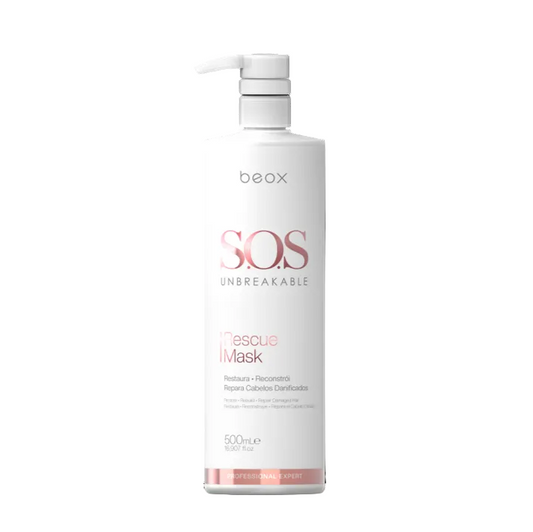
A weekly deep conditioning mask is the single most impactful step you can add to any routine. Where conditioner works on the surface, a professional-grade mask penetrates the cortex — repairing broken bonds, restoring protein balance, and delivering hydration that lasts days, not hours. Apply generously to lengths and ends after shampooing, leave under a shower cap with gentle heat for 15–30 minutes, then rinse thoroughly.
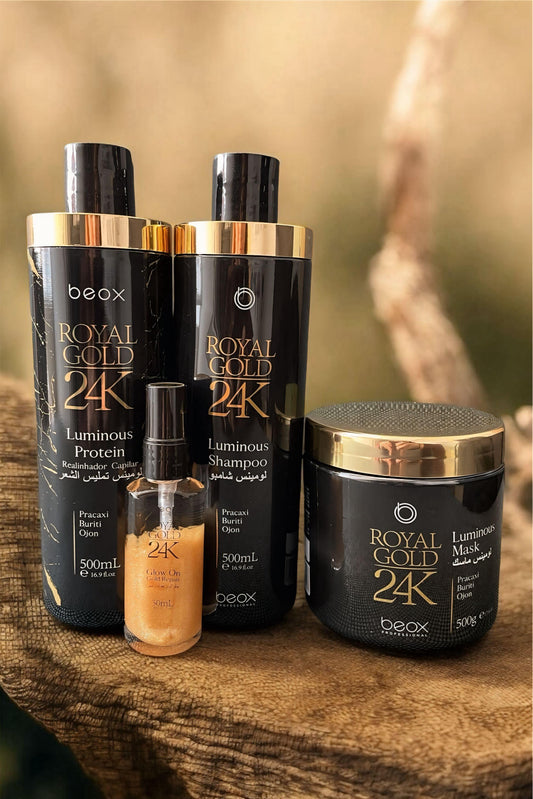
Frequency depends on hair condition: once per week for normal to moderately damaged hair, twice per week for severely damaged, bleached, or fragile hair. Browse our selection of professional hair masks designed to deliver visible transformation in a single application.
Step 5: Leave-In Treatment — Daily Protection and Moisture
After rinsing out the conditioner or mask, apply a leave-in treatment to damp hair. This step bridges the gap between the wash and the rest of the day — locking in moisture, detangling remaining knots, forming a protective barrier against humidity, UV exposure, and friction, and priming the hair for any styling that follows. A leave-in is non-negotiable for dry, frizzy, or chemically treated hair, and highly beneficial for all other types.
Step 6: Heat Protection — Before Every Styling Session
If you use any heat tool — hairdryer, straightener, curling iron — applying a thermal protectant before styling is not optional. Heat above 180°C causes immediate and cumulative structural damage to the hair fiber: it denatures keratin, lifts the cuticle, and depletes the moisture content that gives hair its flexibility. A professional heat protectant creates a thermal barrier that absorbs and distributes heat evenly, allowing you to style without irreversible damage.
Step 7: Styling Products — Define Without Compromising
Styling products should enhance the hair's natural texture and hold, not mask it or weigh it down. Choose products based on finish and hold level: lightweight serums or oils for shine and frizz control, creams for curl definition and moisture, mousses for volume and structure, and waxes or pomades for precision and texture in shorter styles. Always apply to damp hair for better distribution and absorption.
Step 8: Finishing Serum or Oil — Seal and Protect
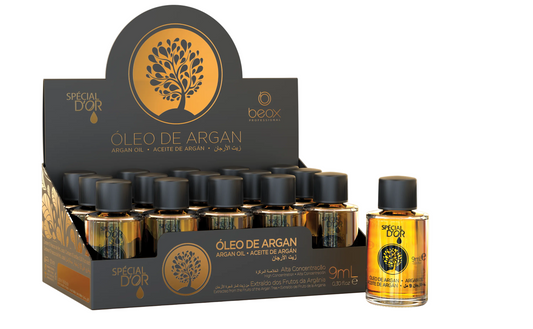
The final step of any routine is sealing. Applied to dry hair after styling, a finishing serum or natural oil locks in all the work done in the previous steps, adds surface luminosity, protects against environmental stress, and controls frizz without heaviness. Use sparingly — a small amount applied to the palms and smoothed over the outer layer is sufficient. This step is what produces the mirror-like shine that signals genuinely healthy hair.
How Often Should You Follow Each Step?
Not every step belongs in every session. Here is the optimal frequency for each phase of the routine:
- Pre-shampoo oil treatment: once per week, or before each wash for very dry or damaged hair
- Shampoo: 2–3 times per week for most hair types; daily only for very oily scalps
- Conditioner: every wash session, without exception
- Deep mask: once per week (normal hair) or twice per week (damaged or chemically treated hair)
- Leave-in treatment: every wash session, applied on damp hair
- Heat protectant: every time heat tools are used
- Finishing serum or oil: daily, as the final step of the routine
Consistency across all steps — even on the sessions where fewer products are applied — is what drives the cumulative improvement in hair health that becomes visible after 4–8 weeks of structured practice.
Professional vs. Consumer Routines: What Changes and What Doesn't
Salon professionals and home users follow the same fundamental sequence — the difference lies in product concentration, application technique, and the availability of in-salon treatments that amplify results beyond what at-home care alone can achieve.
In a salon environment, steps such as bond repair treatments, protein infusions, scalp analysis, and color glossing can be layered over the basic routine for clients requiring targeted intervention. For at-home users, replicating salon-quality results requires investing in professional-grade products rather than mass-market alternatives — the actives are more concentrated, the formulas are more precisely balanced, and the cumulative results are measurably superior.
Regardless of setting, the architecture of the routine remains identical. Apply it consistently, choose quality products at each step, and adjust based on your hair's ongoing response — that is the complete formula for hair that performs at its best.
Frequently Asked Questions
What is the correct order of a hair care routine?
The correct order is: pre-shampoo treatment (optional), shampoo, conditioner, deep mask (weekly), leave-in treatment, heat protectant (if styling with heat), styling products, and finishing serum or oil. Each step builds on the one before it — skipping or reordering steps reduces the effectiveness of the entire routine.
How long does it take to see results from a consistent hair care routine?
Visible improvements in texture, shine, and manageability are typically noticeable within 3 to 4 weeks of consistent practice. Structural improvements — including reduced breakage, restored elasticity, and improved porosity balance — become apparent between 6 and 12 weeks, depending on the starting condition of the hair and the quality of products used.
Should I use conditioner and a hair mask in the same session?
Yes, in specific circumstances. Use conditioner after every wash for baseline softness and detangling. Use a deep mask in place of conditioner once or twice per week for intensive repair and hydration. In some protocols, the mask is used first and a lightweight conditioner is applied afterward to smooth and seal — this approach is particularly effective for very porous or coarse hair that needs both structural repair and surface smoothing in a single session.
Is it bad to wash hair every day?
For most hair types, daily washing strips the scalp's natural sebum, disrupts the microbiome, and causes cumulative dryness and irritation. 2–3 washes per week is optimal for the majority of hair types. Exceptions include very fine, oily-scalp hair types where daily cleansing with a gentle, sulfate-free shampoo is appropriate. Dry shampoo can extend the interval between washes without compromising scalp health when used correctly.
What is the most important step in a hair care routine?
If forced to choose one, the conditioner step is the most universally impactful — it immediately repairs the surface damage caused by shampooing, restores the cuticle, and determines how the hair looks, feels, and behaves until the next wash. However, for damaged or chemically treated hair, the weekly deep conditioning mask has the greatest long-term structural impact and should be treated as non-negotiable rather than optional.