Split Ends: Causes and Best Treatments — The Complete Expert Guide
Lip Store.euShare
Split ends are the most visible sign of hair damage — and one of the most misunderstood. Most people believe that cutting is the only solution, or that a leave-in conditioner applied to the tips once in a while is enough to manage them. Neither is correct. Understanding the real causes of split ends and the most effective treatments available — both professional and at-home — is the difference between temporarily hiding the problem and actually resolving it at the structural level. This guide provides exactly that clarity.
What Are Split Ends? Understanding the Structure
A split end — known professionally as trichoptilosis — occurs when the outer protective layer of the hair shaft, the cuticle, is so severely degraded that the inner cortex fibers are exposed and begin to physically separate. The hair fiber is no longer a single cohesive structure at the tip — it splinters into two or more branches, each becoming progressively more vulnerable to further breakage and damage as it continues to grow.
Split ends are not a uniform condition. There are several distinct types, each revealing different information about the underlying cause and the severity of the damage.
Types of Split Ends
The most common types encountered in professional practice include:
- Classic split (Y-split): The most recognizable type — the hair divides cleanly into two equal branches at the tip. Caused by general mechanical stress or dryness.
- Triple split (tree split): Multiple branches, resembling a small tree. Indicates more advanced damage across multiple cortex layers.
- Incomplete split (candle): The hair thins dramatically at the tip without fully separating — a sign of early cuticle damage and thinning cortex.
- Feathering split: Multiple shallow splits along the shaft rather than just at the tip — indicates widespread cuticle damage from chemical treatment or excessive heat.
- Knot split (fairy knot): A single strand tied around itself, creating a knot — common in curly and coily hair types with high friction exposure.
- White dot tip: A white spot at the end of the hair, indicating a severely depleted cortex where the protective protein has been stripped — typically caused by severe over-processing or bleaching.
Identifying the type of split end present provides critical diagnostic information for both salon professionals and clients. More complex split patterns indicate more advanced structural damage and require more intensive repair protocols.
The Real Causes of Split Ends
Split ends do not appear without a cause. Every case of significant split end damage can be traced to one or more identifiable factors — most of which are preventable once understood.
1. Heat Damage
Flat irons, blow dryers, and curling irons used at high temperatures without thermal protection are among the leading causes of split ends globally. The intense, direct heat breaks down the cuticle's structural integrity, evaporates moisture from the cortex, and causes the hair fiber to become brittle and prone to splitting at its weakest points — almost always the ends, which are the oldest and most exposed section of the hair.
2. Chemical Over-Processing
Bleaching, perming, relaxing, and repeated coloring all degrade the cuticle by raising it aggressively and disrupting the internal disulfide bonds that hold the cortex together. Once these bonds are compromised, the cortex fibers are no longer properly anchored and begin to separate at the ends. Clients who bleach or color frequently without adequate protein reconstruction treatments are at the highest risk of severe split end formation.
3. Mechanical Damage
Aggressive brushing — particularly on dry, tangled hair — applies concentrated tension at a single point on the shaft, fraying the cuticle and eventually splitting the cortex. Elastic bands without fabric coating, tight hairstyles applied repeatedly in the same position, and rough towel drying all create the same type of localized mechanical stress that leads to splitting over time.
4. Dryness and Moisture Deficiency
Hair that is chronically dry lacks the internal flexibility to withstand normal tension without fracturing. A dehydrated cortex becomes rigid rather than pliable — and rigid fibers crack and split rather than bending. Insufficient sebum production, low-humidity environments, frequent washing with harsh formulas, and hard water mineral buildup all contribute to the dryness that predisposes hair to split ends.
5. UV and Environmental Damage
Prolonged ultraviolet radiation exposure degrades the cuticle's protective protein layer and oxidizes melanin, progressively weakening the structural integrity of each strand from the outside in. Salt water, chlorine, and pollution all accelerate this erosion process. Hair that is regularly exposed to high UV environments without protective products develops split ends significantly faster than hair that is shielded.
6. Poor Nutrition and Internal Deficiency
The hair fiber that emerges from the follicle reflects the nutritional status of the body. Deficiencies in protein, biotin, zinc, iron, and essential fatty acids result in hair that is structurally weaker from the moment of growth — with thinner cortex walls, a more compromised cuticle, and greater susceptibility to splitting under normal physical stress.
The Best Treatments for Split Ends
The most important truth about split ends is this: once a split has formed, it cannot be repaired at the molecular level — the separated cortex fibers cannot be fused back together permanently. The only definitive removal of an existing split end is a cut. However, treatments can temporarily seal split ends to reduce their appearance, prevent the split from travelling further up the shaft, and — critically — prevent the formation of new split ends on healthy and recovering hair.
A complete split end treatment strategy must therefore address two objectives simultaneously: managing existing splits and preventing new ones from forming.
1. Strategic Trimming
A professional trim — removing 1 to 3 centimeters from the ends — is the only method that definitively removes existing split ends. For clients with significant split end damage, a trim is the essential first step, creating a clean, intact cuticle surface from which the repair protocol can proceed effectively. Trimming does not cause split ends — not trimming does. A trim every 6 to 8 weeks removes ongoing damage before it travels up the shaft and compromises the mid-length sections.
2. Deep Conditioning and Protein Reconstruction
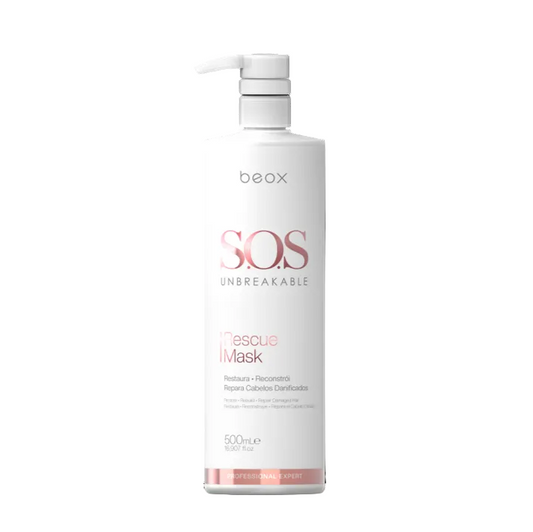
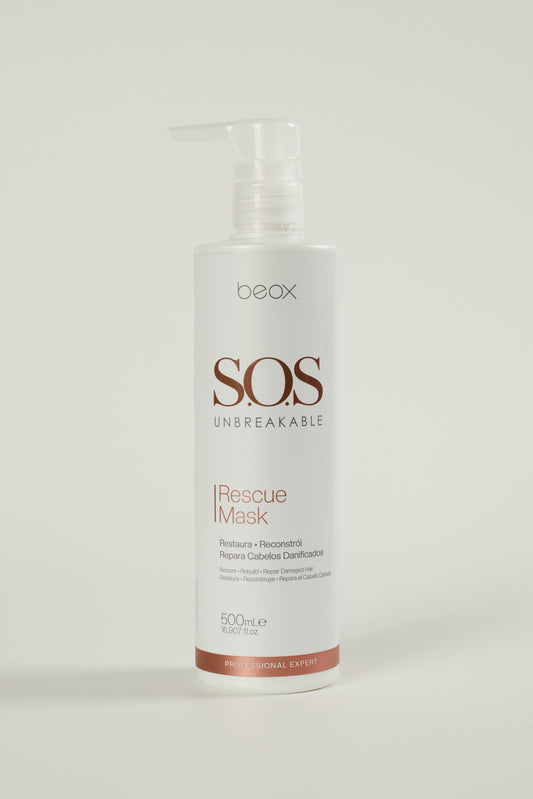
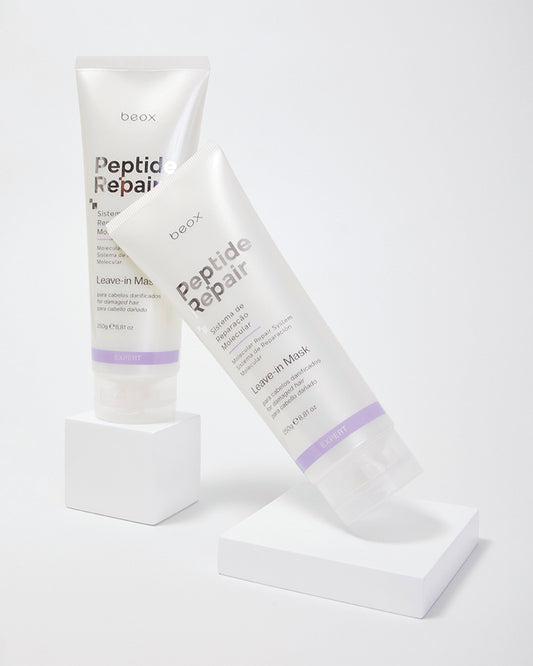
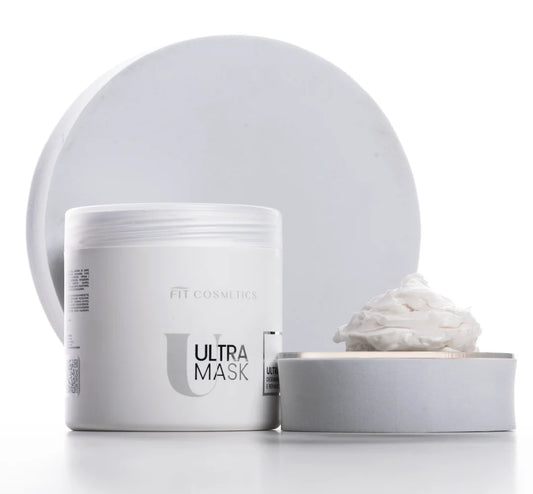
A professional deep conditioning mask applied weekly is the most impactful at-home treatment for preventing new split ends. For split ends caused by chemical damage or protein depletion, a protein-rich reconstruction mask specifically targets the cortex, restoring the internal density and flexibility that prevents new splits from forming. The two elements — moisture and protein — must both be present for the hair to develop the structural resilience it needs to resist splitting under normal daily stress.
3. Bond Repair Treatments
For chemically damaged hair — particularly bleached, relaxed, or repeatedly colored hair — bond repair treatments address split ends at their deepest structural cause. By reforming broken disulfide bonds within the cortex, these treatments restore the internal protein network that prevents fibers from separating. Applied in-salon as an intensive course or as an ongoing maintenance treatment, bond repair is particularly valuable for clients whose split ends are caused primarily by chemical over-processing rather than mechanical or heat damage.
4. Leave-In Serums and Sealing Treatments
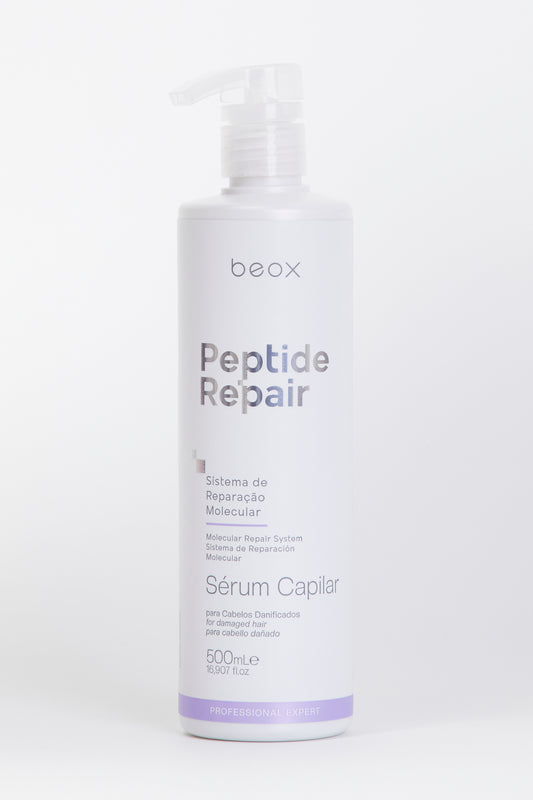
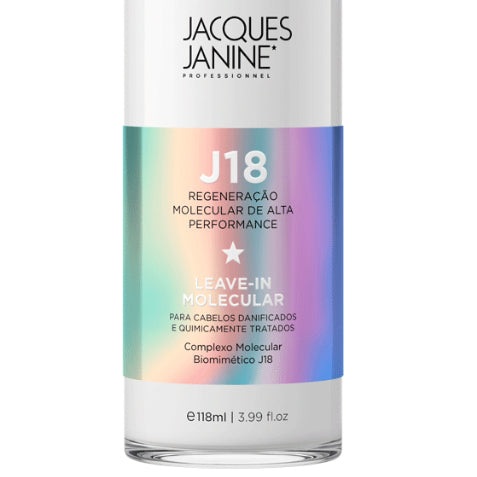
A professional leave-in serum applied daily to mid-lengths and ends serves two anti-split-end functions: it temporarily seals the visible split, reducing the appearance of fraying and preventing the split from advancing; and it creates a protective film on the cuticle surface that reduces friction, UV damage, and moisture loss between washes — the three primary surface forces that generate new split ends.
The most effective serums for split ends contain a combination of silicones or silicone alternatives for instant cuticle sealing, amino acids and hydrolyzed proteins for light cortex reinforcement, and UV-filtering agents for environmental protection. Applied while hair is still slightly damp, the serum is absorbed into the surface layers of the cuticle before being locked in as the hair dries.
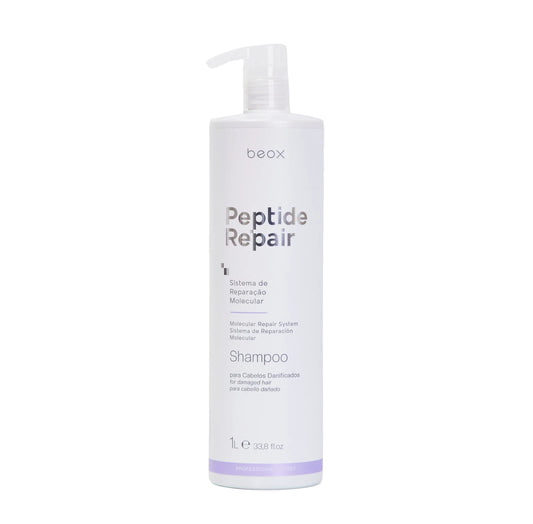
For clients and salon professionals seeking clinical-grade daily protection, our selection of professional hair serums includes formulas specifically designed for split end management, cuticle sealing, and long-term structural protection — delivering measurable improvement in end integrity with consistent daily use.
5. Protective Styling and Habit Changes
Treating split ends without addressing the behaviors that cause them is a temporary and ineffective approach. The following habit changes, implemented consistently, reduce split end formation at the source:
- Always apply a heat protectant before using any heat styling tool — no exceptions
- Lower heat styling temperatures to the minimum effective level for the hair type
- Detangle with a wide-tooth comb or detangling brush, working from ends to roots — never from roots to ends on dry hair
- Dry hair with a microfiber towel by blotting — never rubbing or wringing
- Replace elastic bands with fabric-covered hair ties or spiral clips that distribute tension evenly
- Sleep on silk or satin pillowcases to minimize overnight friction at the ends
- Avoid tying hair in the same tight position repeatedly — this creates a consistent stress point at the tie
Professional Salon Treatments for Advanced Split End Damage
For clients presenting with severe split end damage — particularly those with feathering splits, white dot tips, or splits that extend significantly above the ends into the mid-shaft — professional salon treatments provide a level of intervention that at-home products cannot replicate.
The most effective professional treatments for split end damage include intensive bonding services, keratin smoothing treatments that seal and protect the cuticle for 3 to 6 months, and protein reconstruction protocols (such as professional hair botox) that restore internal density and reduce the fiber separation that causes splitting. Combined with a professional trim to remove the existing damage, these treatments reset the hair's structural health and create the conditions in which new growth emerges significantly stronger.
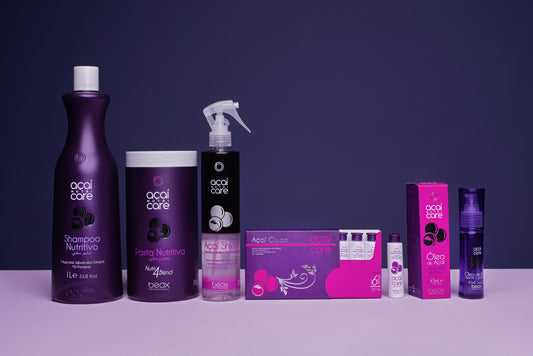
For salon professionals building a comprehensive split end treatment protocol, or for clients looking to invest in results that go beyond the surface, our complete range of professional hair repair products covers every layer of the split end problem — from internal protein reconstruction to cuticle sealing and protective finishing.
How to Prevent Split Ends Long-Term
Prevention is categorically more effective than treatment for split ends. Once the split has formed and travelled up the shaft, the affected section of hair is irreversibly damaged — it can only be removed. A proactive prevention strategy, applied consistently, eliminates the conditions in which split ends form before they appear.
The most effective long-term split end prevention protocol combines:
- Regular professional trims every 6 to 8 weeks
- Weekly deep conditioning or protein mask treatments
- Daily application of a leave-in serum to mid-lengths and ends
- Consistent heat protectant use before every heat styling session
- Sulfate-free shampoo to preserve the cuticle's natural lipid layer
- Monthly chelating shampoo use in hard water areas to remove mineral buildup
- UV-protecting leave-in products for clients with high sun exposure
- A diet adequate in protein, biotin, zinc, iron, and essential fatty acids
For salon professionals, presenting this prevention protocol as a complete service package — combining trims, professional treatments, and a recommended at-home product routine — creates consistent client retention, measurable hair health improvement, and a premium positioning that differentiates the salon from purely reactive cut-and-style services.
Frequently Asked Questions: Split Ends Causes and Treatments
Can split ends be repaired without cutting?
No — not permanently. Once the cortex fibers have physically separated, they cannot be fused back together in a lasting way. Treatments such as leave-in serums, bond repair products, and conditioning masks can temporarily seal the split and reduce its appearance, preventing it from advancing further up the shaft for a limited period. However, the only definitive way to remove a split end is to cut it. The focus of treatment products should be on preventing new split ends from forming while managing the appearance of existing ones.
How often should I trim my hair to prevent split ends?
For most hair types, a professional trim every 6 to 8 weeks is sufficient to remove new split end formation before it travels up the shaft. Clients who use heat regularly, color or chemically process frequently, or have fine or fragile hair may benefit from more frequent trims — every 4 to 6 weeks. Clients with minimal heat use, no chemical processing, and a consistent conditioning routine can often extend their trim interval to 10 to 12 weeks without significant split end progression.
What is the best product for split ends?
The most effective at-home products for split end management are: a professional protein-rich deep conditioning mask (used weekly), and a professional leave-in serum (used daily on mid-lengths and ends). The mask addresses the internal structural cause — rebuilding cortex density and flexibility — while the serum seals the cuticle surface and creates the protective barrier that prevents new split end formation between washes. No single product alone delivers the same result as this two-step system used consistently.
Do split ends cause hair loss?
Split ends themselves do not cause hair loss — they do not affect the follicle or the root. However, untreated split ends that advance up the shaft create weakened sections that are significantly more prone to breakage. This breakage — which shortens the hair rather than causing actual follicle loss — is often mistaken for hair loss by clients. The practical result is the same: hair that does not grow to its potential length and appears thinner over time. Treating split ends before they travel is therefore essential for maintaining visible length and density.
Are split ends worse on colored or bleached hair?
Yes — significantly. Chemical coloring and bleaching raise the cuticle, degrade internal protein bonds, increase porosity, and reduce the hair's structural resilience. All of these factors simultaneously increase the rate of split end formation. Bleached hair — which undergoes the most aggressive chemical processing — is typically the most prone to split ends, particularly feathering splits and white dot tips that indicate advanced cortex depletion. Regular protein reconstruction treatments, bond repair protocols, and disciplined aftercare significantly reduce split end progression in chemically treated hair.