Why Your Hair Is Dry and How to Fix It: The Complete Expert Guide
Lip Store.euShare
Dry hair is one of the most widespread hair concerns across all age groups and hair types — yet it is also one of the most misunderstood. Most people reach for a moisturising shampoo or a conditioning mask and wonder why the dryness keeps returning. The reason is simple: they are treating the symptom, not the cause. Understanding why your hair is dry and how to fix it at the source is the difference between temporary relief and permanent transformation. This guide gives you both.
The Difference Between Dry Hair and Dehydrated Hair
Before applying any solution, it is essential to distinguish between two conditions that look identical on the surface but require different treatments: dry hair and dehydrated hair.
Dry hair refers to hair that lacks sebum — the natural oil produced by the scalp that coats the hair shaft, seals the cuticle, and prevents moisture from escaping. Hair that is naturally dry is typically fine, curly, or coily — hair types where sebum produced at the scalp struggles to travel down the length of the shaft. Dry hair is a structural characteristic.
Dehydrated hair refers to hair that lacks water — internal moisture within the cortex itself. Dehydration can affect any hair type and is most commonly caused by external aggressors: heat styling, chemical treatments, UV exposure, hard water, and low-humidity environments. Dehydrated hair is a condition, not a characteristic — and it is fully reversible with the right approach.
Many people suffer from both simultaneously. Understanding which component — oil, water, or both — is deficient in your specific case is the foundation of an effective repair protocol. For a complete breakdown of treatments specific to each condition, our dedicated guide to dry and dehydrated hair offers an in-depth clinical perspective for both professionals and end consumers.
The Most Common Causes of Dry Hair
Dry hair does not happen randomly. It is always the result of identifiable factors — many of which can be addressed immediately once they are understood.
1. Heat Styling Without Adequate Protection
Every time a flat iron, blow dryer, or curling iron contacts the hair without a heat protectant, it removes moisture from the cortex and lifts the cuticle. Repeated exposure without protection creates chronic dehydration — hair that never returns to its baseline moisture level between sessions. The higher the styling temperature and the more frequent the use, the faster and more severe the dehydration becomes.
2. Chemical Treatments
Bleaching, coloring, perming, and chemical relaxing all disrupt the hair's cuticle and degrade the internal protein bonds that retain moisture within the cortex. Each chemical process raises the cuticle, allows water to escape, and increases porosity — making the hair progressively more difficult to hydrate with each subsequent treatment. High-porosity hair absorbs moisture quickly but cannot retain it, creating a cycle of persistent dryness regardless of how often conditioning products are applied.
3. Overwashing and Sulfate-Based Shampoos
Washing the hair strips away sebum — the scalp's natural moisture barrier. Sulfate-based shampoos are particularly aggressive in this regard, removing not only excess oil and product buildup but also the protective lipid layer that seals the cuticle and prevents moisture evaporation. Clients who wash daily using sulfate-containing formulas often experience chronic dryness, even on hair types that would otherwise maintain adequate sebum production.
4. Hard Water Mineral Buildup
Hard water — prevalent across Central, Northern, and Southern Europe — contains high concentrations of calcium and magnesium. These minerals deposit on the hair shaft with each wash, forming a coating that blocks conditioning ingredients from penetrating the cuticle, disrupts the moisture-protein balance within the cortex, and physically stiffens the hair. Hair in hard water areas often feels perpetually dry, rough, and unresponsive to conditioning treatments — not because the treatments are ineffective, but because mineral deposits prevent them from reaching the hair fiber.
5. Environmental Exposure
UV radiation breaks down the hair's cuticle proteins and degrades melanin — leading to structural weakening and increased porosity. Cold, dry air — common in Northern and Central European winters — draws moisture out of the hair shaft through passive evaporation. Salt water and chlorine both penetrate the cuticle and actively extract moisture and protein from the cortex. Each of these environmental factors acts as a slow, progressive dehydration mechanism that compounds over time without protective intervention.
6. Nutritional Deficiencies
The hair fiber is an externally dead structure — it cannot repair itself from within — but the follicle that produces new hair depends entirely on the body's nutritional resources. Deficiencies in essential fatty acids (omega-3 and omega-6), vitamins A, E, and D, iron, zinc, and biotin all directly impact the quality and hydration of new hair growth. Hair produced by a nutritionally depleted follicle is thinner, drier, and more prone to breakage from the moment it emerges from the scalp.
How to Fix Dry Hair: The Expert Repair Protocol
Fixing dry hair permanently requires addressing every contributing factor simultaneously. A piecemeal approach — fixing the shampoo but not the aftercare, or adding a mask without addressing heat damage — produces incomplete and temporary results. The following protocol addresses dryness at every level.
Step 1 — Restore Sebum Distribution with the Right Cleansing Routine
Switch immediately to a sulfate-free, hydrating shampoo. Reduce washing frequency to every 2 to 3 days — daily washing prevents sebum from ever reaching the mid-lengths and ends, where dryness is most severe. When washing, apply shampoo primarily to the scalp and allow the lather to travel through the lengths during rinsing, rather than scrubbing the entire length of the hair.
Step 2 — Clarify to Remove Mineral and Product Buildup
If you live in a hard water area or use styling products regularly, a chelating or clarifying shampoo used once per month removes the mineral and product deposits that block conditioning agents from penetrating the cuticle. This step is essential for anyone whose hair feels persistently dry despite consistent conditioning — buildup is almost always a contributing factor in these cases.
Step 3 — Apply a Professional Conditioner After Every Wash
Conditioner is the immediate response to each wash — it temporarily replenishes the cuticle surface and reseals what the cleansing process has opened. For dry hair, conditioner should be applied primarily to mid-lengths and ends — never directly to the scalp — and left on for at least 3 to 5 minutes to allow sufficient penetration before rinsing.
Step 4 — Use a Professional Hair Mask Weekly
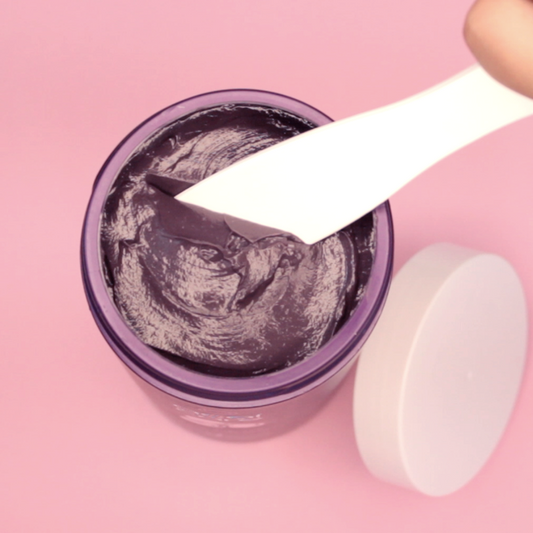
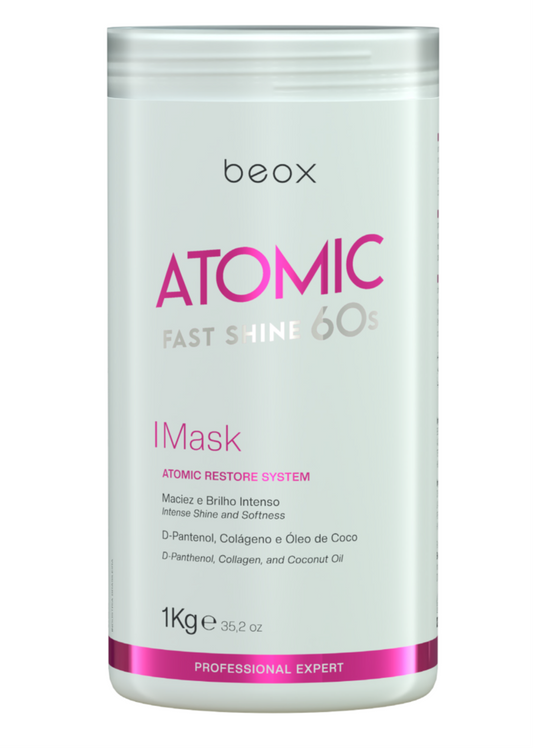
A deep conditioning mask used once per week is the most impactful at-home intervention for dry hair. Unlike everyday conditioners, professional masks are formulated with higher concentrations of humectants, emollients, and film-forming agents that penetrate the cortex, restore the internal water content of the hair, and seal the cuticle to prevent subsequent moisture evaporation.
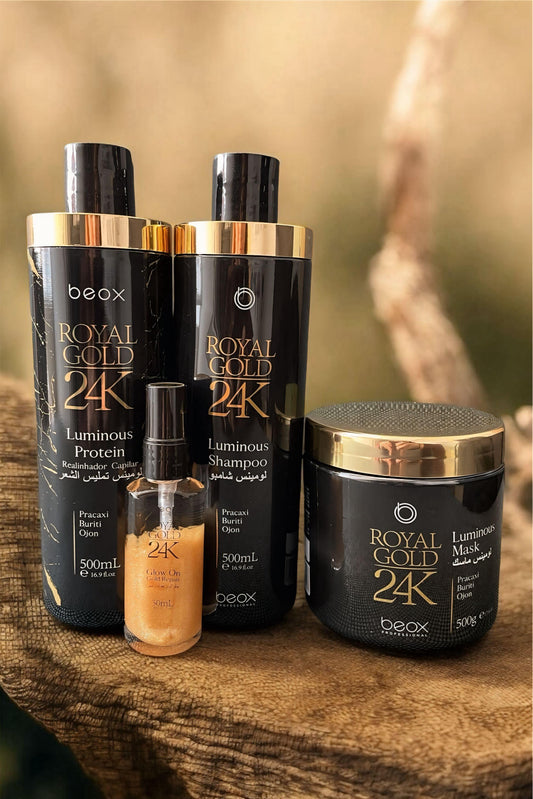
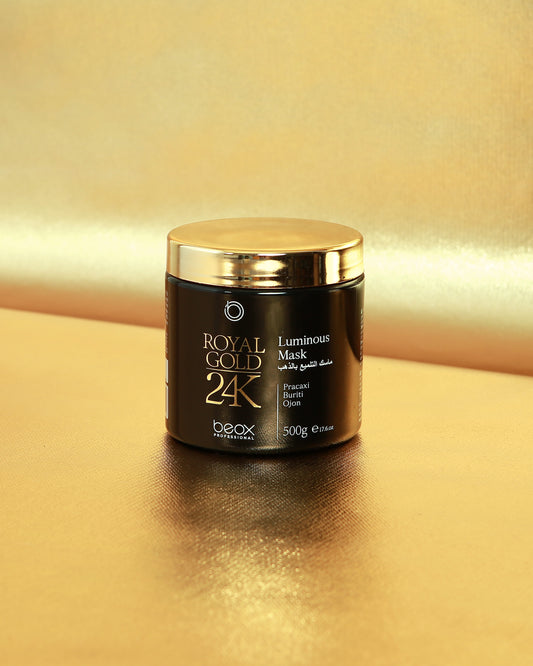
For maximum efficacy, apply the mask to clean, damp hair after shampooing, section by section. Cover with a shower cap and apply gentle heat — from a warm towel, a hooded dryer, or a heat cap — for 15 to 30 minutes. Heat opens the cuticle and drives the active ingredients deeper into the cortex, significantly amplifying the result compared to a cold application. Our range of professional deep conditioning hair masks is formulated specifically to penetrate beyond the cuticle surface and deliver lasting internal hydration — delivering results that standard retail masks simply cannot replicate.
Step 5 — Seal with a Hair Oil to Lock In Moisture
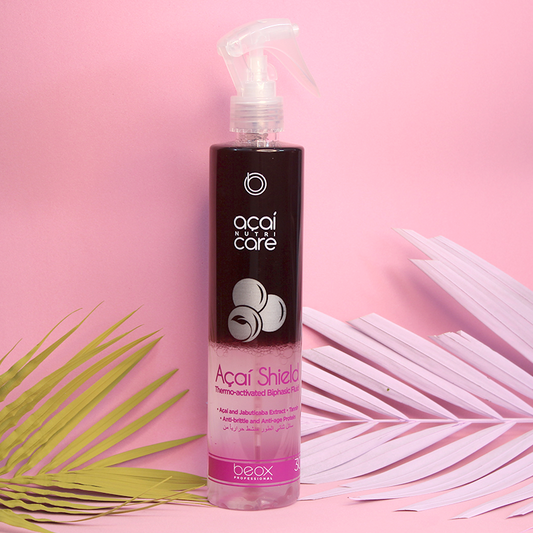
Oils do not add moisture to the hair — they seal existing moisture in. This is a critical distinction. Applied after a conditioning treatment or a mask, a hair oil coats the cuticle surface and creates a hydrophobic barrier that slows the evaporation of the moisture that has just been delivered to the cortex. Without this sealing step, much of the hydration from conditioners and masks escapes within hours through the porous, damaged cuticle.
The most effective sealing oils for dry hair are those with a combination of penetrating and coating properties: lightweight oils like argan, jojoba, and sweet almond oil penetrate the upper layers of the cuticle; heavier oils like castor oil, shea butter blends, and marula oil coat and seal the outer surface. Applying a small amount to damp mid-lengths and ends immediately after washing — before any heat tool — dramatically extends the hydration window between wash days.
For professional-grade sealing and shine, our selection of professional hair oils includes formulas specifically engineered for dry, dehydrated, and high-porosity hair — providing the cuticle coating and moisture retention that standard products cannot sustain.
Step 6 — Eliminate or Significantly Reduce Heat Damage
If heat styling is a regular part of the routine, applying a professional heat protectant rated for the specific tool temperature is non-negotiable. For severely dry hair, reducing overall heat styling frequency — even by two sessions per week — has a measurable impact on moisture retention within 2 to 3 weeks. Lowering flat iron temperature to the minimum effective level for the hair type (typically 180°C to 200°C for fine hair, 200°C to 220°C for medium to thick hair) further reduces ongoing moisture loss.
Step 7 — Protect from Environmental Dehydration
In cold, dry climates — dominant across Northern and Central Europe in autumn and winter — a leave-in conditioner or a lightweight oil applied before going outdoors creates a protective layer that reduces wind-driven moisture evaporation. In sunny, high-UV environments — prevalent in Mediterranean and Southern European regions — a UV-protective leave-in treatment or a protective style (braid, bun, or updo) dramatically reduces the cumulative UV damage that degrades the cuticle and causes chronic dryness.
How Long Does It Take to Fix Dry Hair?
With a complete, consistent repair protocol, most clients experience a noticeable improvement in texture and moisture feel within 2 to 4 weeks. Full restoration of the hair's natural moisture balance — particularly for hair that has been chronically dry due to chemical treatments or prolonged heat damage — typically takes 6 to 12 weeks of dedicated protocol adherence.
The most rapid improvements come from the combination of clarifying (to remove buildup barriers), professional conditioning (to restore immediate moisture), and oil sealing (to prevent ongoing evaporation). These three steps, applied together and consistently, can produce a dramatic change in hair texture and manageability within the first week alone.
Professional Treatments for Severe Dry Hair
When at-home care is insufficient — particularly for hair that has been severely dehydrated by bleaching, chemical processing, or chronic environmental exposure — professional salon treatments deliver a significantly higher level of internal hydration and structural repair than any at-home product can provide.
The most effective professional treatments for dry and dehydrated hair include:
- Hair botox and protein reconstruction: Fill the depleted cortex with proteins, amino acids, and hyaluronic acid — restoring internal density, elasticity, and moisture retention from within
- Olaplex and bond repair treatments: Reform broken disulfide bonds and rebuild the internal protein network that retains moisture — reducing porosity and improving the hair's ability to hold hydration long-term
- Keratin smoothing treatments: Seal the cuticle, reduce porosity, and create a durable protein coating that locks in moisture and provides 3 to 6 months of hydration support
- Professional scalp treatments: Address dry hair at its source by regulating sebum production, improving scalp circulation, and stimulating the follicle to produce higher-quality, better-hydrated new growth
Frequently Asked Questions: Why Is My Hair Dry and How Do I Fix It?
What is the fastest way to fix dry hair?
The fastest combination is: clarify with a chelating shampoo to remove buildup, apply a professional deep conditioning mask with heat for 20 to 30 minutes, seal with a hair oil while hair is still damp, and avoid all heat styling for the next 48 hours. This sequence — applied in a single session — produces the most immediate and dramatic improvement in moisture and texture. Repeating this routine once per week alongside daily sulfate-free cleansing and conditioner produces cumulative results within 2 to 4 weeks.
Why is my hair dry even though I condition it regularly?
There are four common reasons conditioned hair remains dry: hard water mineral deposits that block conditioning agents from penetrating the cuticle; high porosity caused by chemical damage that prevents the hair from retaining moisture after conditioning; the wrong conditioner formula (one that primarily coats rather than penetrates); or missing the oil-sealing step after conditioning, which allows moisture to evaporate through the open, porous cuticle within hours of washing. Addressing all four factors simultaneously is necessary for persistent dryness to resolve.
Is dry hair damaged hair?
Not necessarily — but dryness significantly increases the risk of damage. Chronically dry hair is more brittle, less flexible, and more prone to breakage under the same level of mechanical stress that healthy, hydrated hair would withstand. Additionally, dry hair with raised, open cuticles is structurally weaker than smooth, sealed hair — making it more vulnerable to heat damage, chemical damage, and environmental degradation. Treating dryness is therefore preventative as much as corrective.
Can diet affect hair dryness?
Yes — significantly. Essential fatty acids (particularly omega-3 and omega-6) are directly involved in sebum production and the integrity of the hair's lipid layer. Deficiency in these fats leads to a reduction in the scalp's natural oil output and a drier, more porous hair shaft from the follicle outward. Vitamins A and E support sebum production and protect the hair fiber from oxidative damage. Iron and zinc deficiencies impair the follicle's ability to produce healthy, well-hydrated new hair. A diet rich in these nutrients — or targeted supplementation — supports the hair's natural moisture capacity from the inside out.
How often should I use a hair oil if my hair is dry?
For dry or dehydrated hair, applying a hair oil daily — or every time the hair is styled — is appropriate and beneficial. A small amount applied to mid-lengths and ends on damp hair before drying seals in moisture from the wash. A small amount applied to dry hair between washes reduces friction, adds shine, and prevents the environmental moisture loss that accumulates throughout the day. Heavy application directly to the roots should be avoided on fine or oily scalp types, but mid-lengths and ends can receive oil generously without risk of weighing the hair down.