Hair Care Routine for Fine and Thin Hair: The Complete Professional Guide
Lip Store.euShare
Fine and thin hair is one of the most misunderstood hair types in professional care — and the wrong routine can make it flatter, weaker, and more fragile with every wash. If you have struggled to find a hair care routine for fine and thin hair that actually delivers volume, resilience, and long-lasting results, this expert guide is exactly what you need. From the science behind fine hair to the daily habits that transform it, everything is here.
Whether you are a salon professional building a targeted service menu or a consumer who wants to stop guessing and start seeing results, understanding the unique biology and needs of fine, thin hair is the foundation of every decision that follows.
What Makes Fine and Thin Hair Different?
Fine hair refers to the diameter of each individual strand — fine strands have a smaller circumference than medium or coarse hair, making them inherently more delicate and prone to breakage. Thin hair, on the other hand, refers to hair density — the number of hair follicles per square centimetre of scalp. A person can have fine hair that is also dense, or thin hair that is coarser in texture. Understanding this distinction is critical before building any care routine.
Fine and thin hair shares a set of common challenges that standard hair care products are simply not designed to address. These strands are more susceptible to product buildup, which weighs hair down and accelerates oiliness. They lack the structural integrity to hold styles without support. They are particularly vulnerable to heat damage, chemical stress, and environmental aggressors such as UV radiation and hard water minerals.
A routine designed specifically for this hair type must prioritize three core principles: lightweight nourishment, scalp health, and protective care — without ever sacrificing volume or movement.
The Most Common Mistakes That Damage Fine and Thin Hair
Before establishing the right routine, it is worth understanding what is actively working against fine and thin hair. Many well-intentioned habits cause cumulative damage that becomes increasingly difficult to reverse.
- Over-washing: Washing fine hair daily strips natural sebum faster than it can be replenished, triggering the scalp to overproduce oil — creating a cycle of grease and repeated washing that progressively weakens the strand
- Heavy conditioners applied root to tip: Rich, emollient conditioners formulated for thick or coarse hair coat fine strands completely, eliminating natural lift and leaving hair limp, greasy, and unmanageable
- Rough towel drying: Fine hair in its wet state is at its weakest and most elastic — aggressively towel-drying breaks the cuticle and causes mechanical breakage that accumulates over time
- Skipping heat protection: Fine hair has a thinner cortex, which means heat damage penetrates faster and more deeply than in coarser hair types — a single unprotected blow-dry session can cause irreversible structural damage
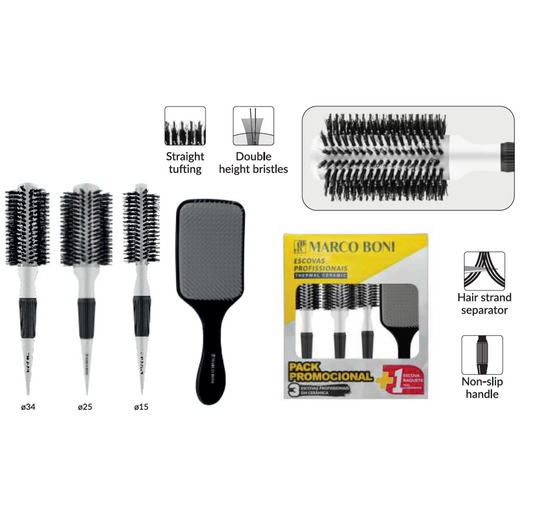
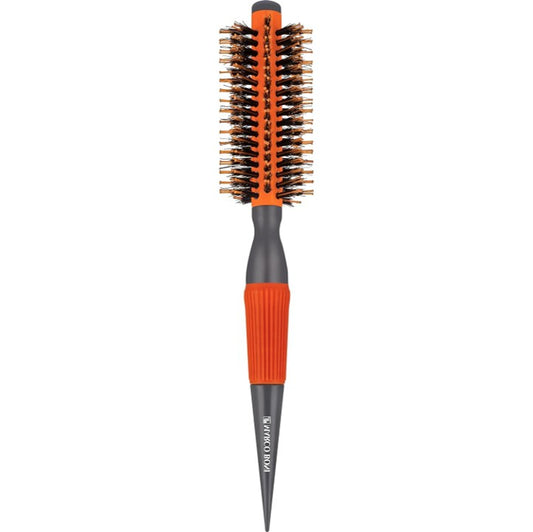
- Using the wrong brush: Plastic bristle brushes and detangling brushes create static and physical stress on fragile strands — a key contributor to frizz and breakage in fine hair
- Overloading with styling products: Volumising mousses, dry shampoos, and texturising sprays all deposit residue that accumulates rapidly on fine hair, compressing the strand and eliminating the natural movement that fine hair relies on for its best appearance
Building the Ideal Hair Care Routine for Fine and Thin Hair
The most effective hair care routine for fine and thin hair is not the most complicated one — it is the most precise one. Every product, every step, and every technique must earn its place by serving the specific structural and biological needs of this hair type. Here is the full professional framework.
Step 1 — Scalp Cleansing: The Foundation of Everything
For fine and thin hair, scalp health is not just a wellness trend — it is the direct precursor to hair density, growth rate, and strand resilience. A clean, balanced scalp produces sebum at a regulated rate, maintains a healthy microbiome, and allows hair follicles to function at their full capacity.
Choose a gentle, volumising shampoo formulated without sulphates, parabens, or silicones — ingredients that either strip the scalp too aggressively or coat the hair fibre with buildup that no amount of rinsing fully removes. Apply the shampoo exclusively to the scalp and roots, using the pads of your fingertips to massage in circular motions for at least 60 seconds before rinsing. This mechanical action breaks down sebum and product deposits while stimulating blood circulation to the follicles.
Wash fine and thin hair no more than three to four times per week unless the scalp is exceptionally oily or exposed to heavy pollution or physical activity. For days between washes, a dry shampoo applied sparingly at the roots can absorb excess oil without adding weight to the lengths.
Step 2 — Conditioning: Targeted, Not Total
Conditioning is where most fine-hair routines go wrong. Fine and thin hair needs moisture and protection — but only where it is needed most. Applying a heavy conditioner from root to tip eliminates the natural volume and movement that is the defining characteristic of healthy fine hair.
Select a lightweight, rinse-out conditioner formulated for fine or volumising hair. Apply exclusively to the mid-lengths and ends, which are the driest and most structurally fragile sections of the strand. Leave on for no longer than two to three minutes before rinsing thoroughly with cool water — the cooler temperature helps seal the cuticle and maximise shine without adding weight.
Once per week, replace the standard conditioner with a lightweight protein-enriched treatment or a hydrating mask specifically designed for fine hair. This replenishes the keratin and amino acids lost through heat styling, environmental exposure, and washing — restoring elasticity and resilience without compromising volume.
Step 3 — Porosity Assessment: The Hidden Key to Effective Care
One of the most overlooked factors in fine and thin hair care is porosity — the hair's ability to absorb and retain moisture. Fine hair can range from low to high porosity, and selecting products without understanding your hair's porosity level is one of the primary reasons even well-intentioned routines fail to deliver results.
Low-porosity fine hair resists moisture absorption and is prone to product buildup; it benefits from lightweight, water-based products and gentle heat application during conditioning treatments. High-porosity fine hair absorbs moisture quickly but loses it just as fast; it requires sealing ingredients such as ceramides, oils, and protein treatments to reinforce the cuticle and retain hydration. Understanding how to assess your hair porosity and identify your true hair type is a transformative step that makes every other element of your routine work harder and deliver better results.
Step 4 — Drying Technique: Where Volume Is Won or Lost
How fine and thin hair is dried has a greater impact on its final appearance than almost any product applied to it. A poor drying technique undoes every benefit of a well-chosen shampoo, conditioner, and treatment in minutes.
Begin by blotting — never rubbing — the hair with a microfibre towel or a soft cotton t-shirt to remove excess moisture. Allow the hair to air-dry to approximately 80% before applying any heat, which minimises the total heat exposure required to achieve a finished result.
When using a blow dryer, use a concentrator nozzle directed downward along the shaft of the hair to smooth the cuticle and build root lift simultaneously. A diffuser attachment is recommended for wavy or slightly textured fine hair — it distributes heat evenly without disrupting the natural wave pattern or creating frizz. Always finish with a five-second cool shot to seal the cuticle and lock in the style.
Step 5 — Styling and Finishing: Lightweight, Strategic, Precise
The golden rule of styling fine and thin hair is less is more — always. Overloading fine strands with product eliminates the airiness and movement that make fine hair look its best. Every styling product you choose should be specifically formulated for fine or volumising hair, applied sparingly, and distributed evenly to avoid concentrated buildup.
A fine mist of volumising spray applied at the roots before blow-drying provides lift without rigidity. A lightweight serum applied to the ends after drying addresses frizz and flyaways without weighing down the lengths. A texture spray used in minimal quantities can provide grip and definition for styles that require hold — without the crunchy finish of traditional gels or mousses.
Washing Frequency: How Often Is Optimal for Fine and Thin Hair?
Washing frequency is one of the most debated topics in fine hair care — and the answer is rarely the same for any two people. Scalp microbiome balance, lifestyle, environment, and hormone levels all influence how quickly the scalp produces sebum and how rapidly fine hair becomes visibly oily.
As a professional starting point, washing fine and thin hair two to four times per week is the optimal range for most people. This frequency maintains scalp hygiene without triggering the overproduction cycle caused by excessive washing. Understanding the precise washing cadence that works for your specific scalp and lifestyle is a science in itself — and getting it right is the single most impactful adjustment most fine-haired people can make. For a comprehensive breakdown of washing frequency by hair type and scalp condition, the professional resource on how often you should wash your hair based on your hair type provides the expert framework needed to make this decision with confidence.
Managing Frizz in Fine and Thin Hair
Frizz in fine hair is a paradox — fine strands are smooth by nature, yet they are disproportionately susceptible to frizz caused by humidity, static, and mechanical friction. This occurs because the fine hair cuticle is less tightly structured than that of coarser hair types, making it more reactive to atmospheric moisture and surface contact.
The most effective approach to frizz management in fine hair is preventative rather than corrective. This means using a gentle, low-friction drying method, applying anti-frizz products at the right moment in the styling sequence, and avoiding touching or manipulating the hair once it has been styled and set. Ingredients such as amino acids, panthenol, and lightweight silicone alternatives smooth the cuticle without the buildup associated with traditional silicones.
When frizz persists despite a well-optimised routine, the underlying cause is typically either dehydration at the fibre level or excessive product residue — both of which require a targeted adjustment to the cleansing and conditioning steps rather than additional styling products. For a professional, product-by-product approach to eliminating frizz across all hair types including fine hair, the expert guide on the best products for frizzy hair is the definitive resource.
Professional In-Salon Treatments for Fine and Thin Hair
A home routine, no matter how well constructed, has limits. For fine and thin hair that has been significantly damaged, thinned by hormonal shifts, or depleted by chemical processing, professional in-salon treatments provide the concentrated repair and reinforcement that at-home products cannot replicate.
Protein bond-building treatments reconstruct the internal structure of depleted fine hair by infusing amino acids and hydrolysed proteins directly into the cortex. These treatments restore elasticity, reduce breakage, and measurably thicken the diameter of each strand over a course of applications. Scalp treatments using active ingredients such as caffeine, niacinamide, and peptide complexes stimulate follicular activity, improve scalp circulation, and create the biological conditions for improved hair density over time.
Salon professionals working with fine and thin hair clients should assess not only the hair fibre condition but also the scalp environment, porosity level, and chemical history before recommending a treatment protocol. A customised, progressive approach consistently outperforms any single-session solution.
Nutrition, Lifestyle, and Fine Hair: The Internal Factors
No topical routine, however precise, can fully compensate for internal deficiencies that manifest in fine and thinning hair. Hair is a non-essential tissue — in times of nutritional stress, the body redirects resources away from hair growth first, making fine and thin hair among the earliest visible indicators of nutritional imbalance.
Key nutrients directly linked to hair density, strand strength, and growth rate include biotin (vitamin B7), iron, zinc, vitamin D, omega-3 fatty acids, and complete dietary proteins. Chronic deficiencies in any of these — particularly iron and vitamin D in European populations — are among the most common correctable causes of hair thinning that goes unaddressed in standard salon consultations.
Beyond nutrition, chronic stress, disrupted sleep, and hormonal fluctuations — particularly those associated with thyroid function, postpartum recovery, and menopause — have a direct and measurable impact on hair follicle cycling and hair density. Identifying and addressing these factors alongside a professional topical routine is the only path to genuinely long-term results for fine and thin hair.
Frequently Asked Questions
What is the best hair care routine for fine and thin hair?
The best hair care routine for fine and thin hair combines a gentle volumising shampoo applied only at the roots, a lightweight conditioner used exclusively on the mid-lengths and ends, a targeted weekly protein or hydration treatment, a microfibre drying technique, and lightweight styling products applied sparingly. Scalp health and correct washing frequency are the two most critical factors for sustained long-term improvement.
How often should I wash fine and thin hair?
Most people with fine and thin hair achieve the best results washing two to four times per week. Washing too frequently strips essential sebum and triggers overproduction, while washing too infrequently allows buildup that compresses the strand and eliminates volume. The ideal frequency depends on scalp type, lifestyle, and environmental factors specific to each individual.
Can fine and thin hair be made to look thicker?
Yes. While the diameter of each strand cannot be permanently changed without medical or professional intervention, the appearance of thickness, density, and volume in fine and thin hair can be dramatically improved through the correct combination of scalp care, lightweight volumising products, strategic blow-drying technique, and professional in-salon treatments such as protein bond builders and scalp stimulation protocols.
What ingredients should I avoid in products for fine and thin hair?
Fine and thin hair is best served by avoiding heavy silicones, mineral oils, sodium lauryl sulphate, and parabens in regular use products. These ingredients either coat the strand with buildup that eliminates volume, strip the scalp too aggressively, or disrupt the natural sebum balance. Look instead for products featuring hydrolysed proteins, amino acids, panthenol, lightweight plant oils, and ceramides.
When should I see a professional about fine and thin hair?
If fine or thinning hair is accompanied by noticeable shedding above the normal range of 50 to 100 hairs per day, visible scalp, changes in hair texture, or has developed suddenly rather than gradually, a consultation with a trichologist or dermatologist is strongly recommended. These symptoms may indicate an underlying medical condition — nutritional deficiency, thyroid dysfunction, hormonal imbalance, or alopecia — that requires clinical assessment and management beyond topical care.