Hydration vs Nutrition vs Reconstruction: Which Does Your Hair Really Need?
Lip Store.euShare
Your hair is speaking to you — but are you listening to the right signals? Using the wrong treatment on your hair is one of the most common and costly mistakes in hair care: it wastes time, wastes product, and can actually worsen the condition you are trying to correct. Understanding the difference between hydration, nutrition, and reconstruction is not just a technical detail — it is the foundation of every effective hair care routine, whether you are a salon professional or a daily consumer seeking genuinely transformative results.
This guide gives you everything you need to diagnose your hair's exact needs and apply the right treatment at the right time — with precision and confidence.
The Three Pillars of Hair Treatment: An Overview
Every strand of hair is a complex structure composed of proteins, lipids, and water — all held in a delicate balance. When that balance is disrupted by heat, chemical processes, environmental stress, or simply time, the hair begins to show signs of damage. The key is identifying which component has been depleted so you can target the treatment correctly.
The three pillars of hair treatment — hydration, nutrition, and reconstruction — each address a different layer of the hair's structure and a different type of deficiency. Using them correctly, in the right sequence and frequency, is the entire science behind the capillary schedule: the professional methodology that organizes hair treatments for maximum cumulative results.
Hair Hydration: Restoring Water Balance
Hydration treatments target the hair's water content — the moisture that keeps each strand flexible, soft, and resistant to breakage. When hair is dehydrated, it becomes dry to the touch, prone to static, and difficult to detangle. This is the most common hair complaint and the most frequently misunderstood one.
Hydration is primarily delivered through water-based formulas rich in humectant ingredients such as aloe vera, hyaluronic acid, panthenol, and glycerin. These ingredients attract and bind moisture to the hair fiber, restoring suppleness and reducing frizz caused by the hair seeking moisture from the surrounding environment.
Signs your hair urgently needs hydration:
- Dry texture even immediately after washing
- Excessive frizz in humid environments
- Difficulty detangling, especially when wet
- Lack of shine and vitality
- Hair that feels rough and straw-like
Hydration treatments are suitable for all hair types but are especially critical for curly, coily, and high-porosity hair, which loses moisture rapidly and requires more frequent replenishment. For fine or straight hair, lightweight hydrating formulas prevent the hair from being weighed down while still delivering the necessary water balance.
Hair Nutrition: Replenishing Lipids and Sealing the Cuticle
Nutrition treatments address the hair's lipid content — the natural oils and fatty acids that coat and seal each strand, creating softness, shine, and protection against external aggressors. When the hair's lipid barrier is depleted, the cuticle becomes raised and porous, allowing moisture to escape rapidly and leaving the hair dull, brittle, and prone to breakage.
Nutritive formulas are typically oil-based or oil-enriched, containing ingredients such as argan oil, coconut oil, shea butter, jojoba oil, and ceramides. These substances fill the gaps in the cuticle, smoothing the surface, sealing in moisture, and restoring the hair's natural weight and luminosity.
Signs your hair urgently needs nutrition:
- Dull, lackluster appearance despite being clean
- Hair that dries very quickly and feels rough to the touch
- Split ends and increased mechanical fragility
- Difficulty maintaining moisture between washes
- High porosity confirmed by the water float test
Nutrition is particularly important for chemically treated, bleached, or heat-styled hair, where the lipid layer has been partially or fully stripped. It is also essential for hair exposed to hard water, UV radiation, or harsh environmental conditions — factors particularly relevant across much of Europe.
Hair Reconstruction: Rebuilding the Protein Structure
Reconstruction treatments work at the deepest level of the hair — the cortex — where the fibrous protein chains known as keratin provide structural integrity, elasticity, and tensile strength. When these chains are broken or depleted by chemical damage, excessive heat, or mechanical stress, the hair loses its ability to withstand tension and becomes prone to severe breakage, elasticity loss, and even structural collapse.
Reconstructive formulas contain hydrolyzed proteins — including keratin, collagen, wheat protein, and silk amino acids — that penetrate the cortex and temporarily rebuild the broken bonds, restoring strength, elasticity, and resilience from within.
Signs your hair urgently needs reconstruction:
- Severe elasticity loss: hair that snaps immediately when stretched without bouncing back
- Extreme fragility and breakage even with minimal manipulation
- Hair that feels gummy, mushy, or over-elastic when wet
- Visible thinning and reduction in hair density over time
- History of multiple chemical processes: bleaching, relaxing, perming, or heavy coloring
Reconstruction is the most intensive of the three treatment types and should be used strategically, not habitually. Overuse of protein-heavy formulas can lead to protein overload — a condition that paradoxically makes the hair even more brittle and prone to breakage. Precision and frequency control are essential.
How to Know Which Treatment Your Hair Needs: The Diagnosis
Accurately diagnosing your hair's needs is the single most important skill in advanced hair care. The most effective diagnostic tools are simple, require no specialist equipment, and can be performed at home or in the salon in minutes.
The elasticity test is the most reliable indicator of whether reconstruction is needed: take a single wet strand of hair and gently stretch it. Healthy hair stretches up to 30% of its length before snapping and returns to its original form. Hair that snaps immediately lacks moisture and may need hydration; hair that stretches excessively and does not return to form has compromised protein structure and urgently requires reconstruction.
To accurately determine your hair's porosity — which directly governs which treatments and formulas will penetrate and perform most effectively — the porosity test is an indispensable tool. Understanding whether your hair is low, medium, or high porosity determines not only which treatments you need but how often and in what sequence to apply them. You can learn exactly how to perform this test and interpret your results with our complete guide on the hair porosity test and how to know your hair type.
The Capillary Schedule: Organizing Your Treatments for Maximum Results
Once you have identified your hair's primary needs, the next step is organizing your treatments into a structured, intentional routine — what hair care professionals call the capillary schedule. This methodology sequences hydration, nutrition, and reconstruction in a strategic cycle that prevents both deficiency and overload, delivering cumulative results that random product use can never achieve.
A typical capillary schedule for moderately damaged hair might dedicate two sessions per month to hydration, one to nutrition, and one to reconstruction — adjusted over time as the hair's condition improves. For severely damaged hair, reconstruction sessions may be more frequent initially, with the schedule rebalanced as strength is restored.
Understanding how to build and adapt your capillary schedule based on your specific hair profile is a transformative skill. Our complete guide on what the capillary schedule is and how to do it gives you the full professional methodology, step by step.
Common Mistakes That Sabotage Your Hair Treatment Results
The most frequent error in hair treatment is treating symptoms without diagnosing the cause. Applying a hydrating mask to protein-deficient hair, or loading reconstruction proteins onto already over-treated hair, will not only fail to help — it will actively worsen the condition. This is why diagnosis always precedes treatment in professional practice.
Other common mistakes include:
- Using reconstruction treatments too frequently, causing protein overload and increased brittleness
- Skipping nutrition after chemical services, leaving the cuticle open and vulnerable
- Relying on hydration alone when the structural integrity of the hair has already been compromised
- Ignoring porosity when selecting products, leading to formulas that cannot penetrate or that sit on the surface without effect
- Washing hair too frequently with sulfate-heavy shampoos, stripping both water and lipid content simultaneously
Professional vs Home Treatments: Setting Realistic Expectations
Professional in-salon treatments deliver significantly higher concentrations of active ingredients and are applied under controlled conditions — temperature, timing, and pH — that maximize penetration and efficacy. A single professional reconstruction session can restore months of damage that home treatments cannot fully address.
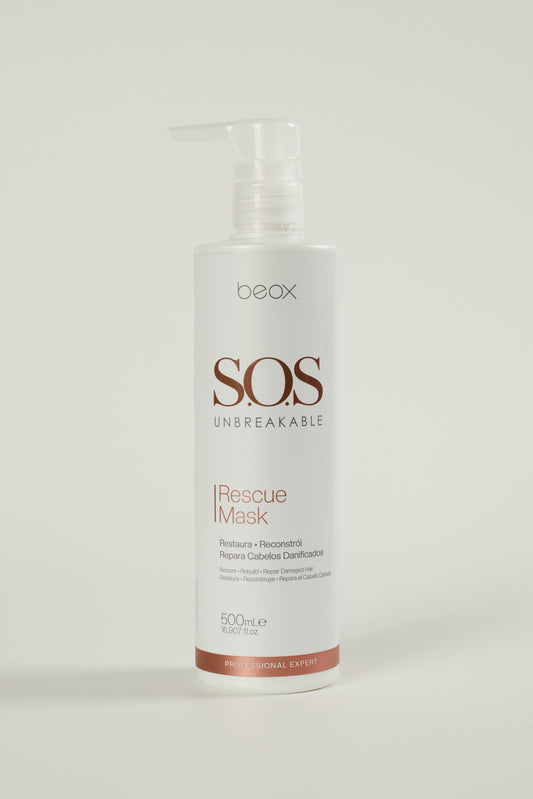
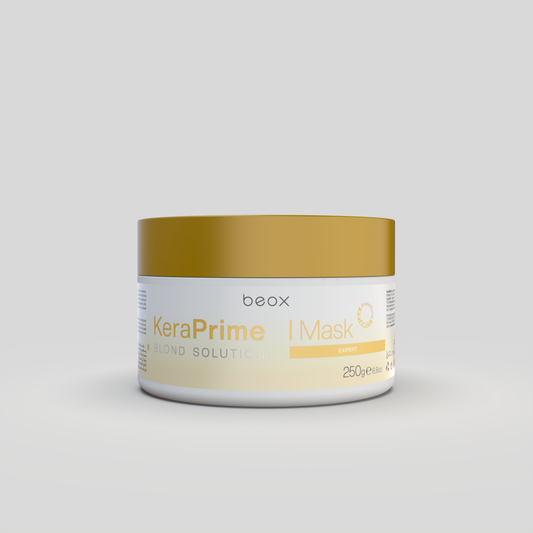
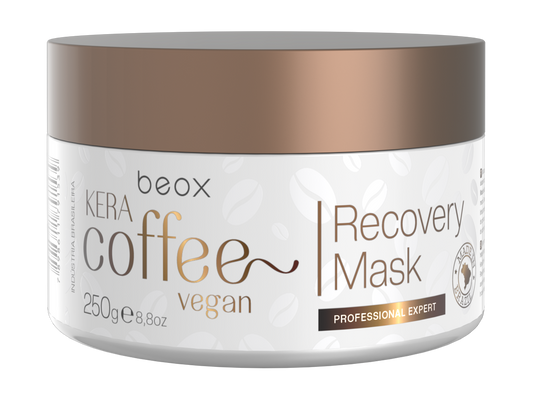
At-home systems, however, have evolved considerably and play an important role in maintaining professional results between salon appointments. The key is selecting products that are genuinely formulated for the specific treatment type — not generic conditioners marketed with broad claims. When selecting products for severely compromised hair, our curated guide to the best hair repair products for damaged hair gives you a professional-grade shortlist with clear selection criteria.
Frequently Asked Questions
What is the difference between hydration and nutrition in hair care?
Hydration replenishes the hair's water content, restoring flexibility and reducing frizz. Nutrition replenishes the hair's lipid content, sealing the cuticle, adding shine, and protecting the strand from external damage. Both are essential, but they target different deficiencies and require different types of formulas.
How do I know if my hair needs reconstruction?
The elasticity test is the most reliable indicator. Stretch a single wet strand gently. If it snaps immediately without stretching, the hair lacks moisture. If it stretches excessively and does not return to form, the protein structure is compromised and reconstruction is needed. Other indicators include extreme breakage, a gummy texture when wet, and a history of multiple chemical processes.
Can I use hydration and reconstruction treatments in the same wash session?
In most cases, no. Applying hydration and reconstruction in the same session can lead to ingredient competition and reduced efficacy. The professional approach is to alternate treatments in a structured capillary schedule, allowing each treatment to perform fully before introducing the next.
How often should I use a reconstruction treatment?
For most hair types, reconstruction should be used no more than once every two to three weeks, and only when the hair's elasticity test confirms the need. Overuse causes protein overload, which makes the hair paradoxically harder, more brittle, and more prone to breakage. Frequency should always be governed by the hair's current condition, not by a fixed calendar.
What type of treatment does bleached hair need most?
Bleached hair typically presents a combination of protein loss, lipid depletion, and moisture imbalance simultaneously — making it the most complex hair type to treat. A structured capillary schedule that cycles reconstruction, nutrition, and hydration in sequence is the most effective approach. Reconstruction should be prioritized initially to restore structural integrity, followed by nutrition to seal the cuticle and hydration to restore flexibility and softness.