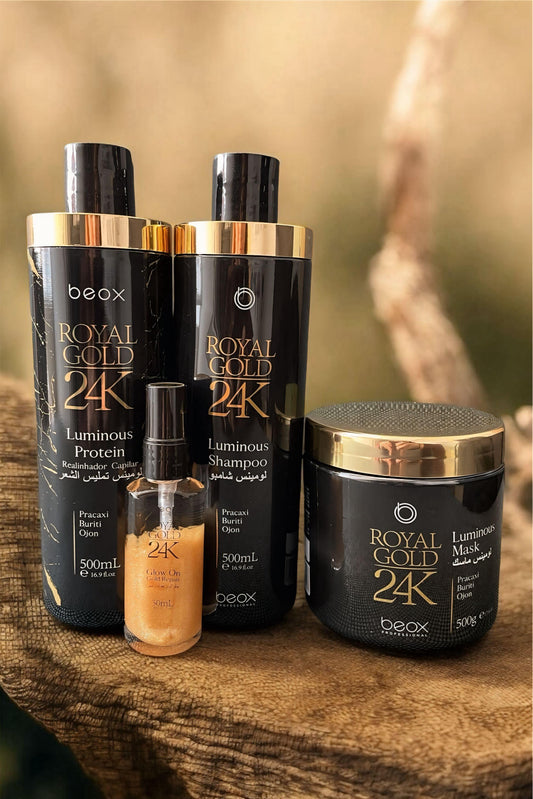
Can You Do Keratin on Colored Hair?
Lip Store.euShare
If you have colored hair and have been wondering whether keratin treatment is safe for you, the answer might surprise you — not only is it possible, but when done correctly, keratin on colored hair can actually enhance your results. Understanding the relationship between keratin and color-treated hair is essential for anyone seeking smoother, shinier, more manageable locks without sacrificing vibrancy or integrity.
Whether you are a salon professional advising color clients or a consumer navigating your own hair care journey, this guide gives you the definitive answer — backed by science, professional expertise, and real-world results.
The Science Behind Keratin and Color-Treated Hair
Color-treated hair undergoes a significant structural change during the dyeing process. Chemical colorants open the hair cuticle to deposit pigment into the cortex, which simultaneously strips natural keratin proteins from the hair fiber. The result is hair that may look vibrant immediately after coloring but gradually becomes more porous, brittle, and difficult to manage over time.
A professional keratin treatment works by replenishing exactly what the coloring process removes. The keratin formula penetrates the hair shaft, bonds to the cortex, fills in the gaps left by chemical processing, and seals the cuticle closed. This restorative action makes keratin not just compatible with colored hair — it makes it one of the most beneficial treatments you can apply to color-treated strands.
Far from stripping color, a correctly formulated and properly applied keratin treatment creates a protective layer around each strand, locking in pigment molecules and significantly slowing the rate of color fade. The cuticle, once sealed, prevents the premature leaching of color caused by water, heat, and environmental exposure.
Does Keratin Treatment Affect Hair Color?
This is the question every color client asks — and the answer depends entirely on the product and the application sequence. A high-quality, formaldehyde-free keratin treatment applied correctly will not strip your color. In fact, it will preserve and intensify it.
There are, however, important factors that determine the outcome:
- Timing matters: Keratin should always be applied after coloring, never before. Applying keratin before color would create a barrier that prevents the dye from penetrating the hair cortex properly
- Formula quality: Low-quality or high-formaldehyde formulas can cause color shifting, particularly in bleached or lightened hair. Always choose EU-compliant, professional-grade systems
- Processing temperature: Flat iron temperatures that are too high can alter tonal qualities in sensitized hair — a skilled professional will always calibrate the temperature to the hair's specific condition
- Hair porosity: Highly porous, heavily bleached hair absorbs formulas more rapidly, which requires careful formula selection and application technique to avoid any tonal changes
The Correct Sequence: Coloring and Keratin Treatment
Getting the sequence right is the single most important factor when combining color services with keratin treatment. The professional standard is clear: color first, keratin second — always.
After coloring, the hair should be allowed to stabilize for a minimum of 48 to 72 hours before keratin is applied. This stabilization period allows the cuticle to partially close and the color molecules to fully set within the cortex. Applying keratin immediately after coloring risks interfering with the bonding of color molecules, potentially causing uneven results.
When the sequence is followed correctly, the keratin treatment acts as a finishing seal over the freshly colored hair — locking in pigment, smoothing the surface, and extending the life of the color service by weeks or even months. For a deeper understanding of how to care for chemically treated hair at every stage, our complete guide to the best products for chemically treated hair covers everything from post-color care to long-term maintenance strategies.
Key Benefits of Keratin Treatment for Colored Hair
When applied correctly on color-treated hair, a professional keratin treatment delivers a powerful combination of restorative and protective benefits that go well beyond basic smoothing:
- Seals the cuticle after chemical coloring, preventing premature color fade and maintaining vibrancy for longer
- Replenishes lost protein stripped during the coloring process, restoring strength, elasticity, and resilience to the hair fiber
- Eliminates frizz and humidity-induced swelling, which are more pronounced in porous, color-treated hair
- Reduces breakage and mechanical damage by reinforcing the structural integrity of each strand
- Improves shine dramatically, as the sealed cuticle reflects light more uniformly — giving color-treated hair a salon-fresh appearance for months
- Reduces styling time by up to 60 %, a major benefit for clients managing color-treated hair that tends to be more reactive to humidity
- Extends the interval between color appointments by preserving color depth and preventing the dullness that drives clients back to the salon prematurely
Special Considerations for Bleached and Highlighted Hair
Bleached and highlighted hair presents specific considerations that require additional expertise. The bleaching process is the most structurally aggressive chemical service in professional hair care — it not only removes natural pigment but also significantly depletes the hair's protein reserves and increases porosity to a much greater degree than standard color treatments.
For bleached and highlighted hair, keratin treatment is not merely beneficial — it is often essential for maintaining hair health and manageability. The key considerations are:
- Formula concentration: Highly porous bleached hair may require a lighter or medium-concentration formula to avoid over-saturation and potential tonal changes
- Processing time: Shorter processing times are often recommended for heavily bleached hair to prevent excessive absorption
- Flat iron temperature: Lower temperatures — typically between 180°C and 200°C — are recommended for bleached hair to prevent structural damage during the sealing process
- Pre-treatment assessment: A skilled professional will always assess the hair's integrity before proceeding, as extremely compromised hair may require a protein treatment prior to keratin application
For clients managing bleached or highlighted hair, pairing keratin treatment with a dedicated aftercare routine is essential. Our complete expert guide to caring for bleached hair properly provides a comprehensive roadmap for maintaining strength, moisture balance, and color quality between salon visits.
How to Choose the Right Keratin Treatment for Colored Hair
Not all keratin treatments are equally suitable for color-treated hair. The European market offers a wide spectrum of professional systems, and selecting the right one requires careful evaluation of several critical factors.
When choosing a keratin treatment for colored hair, prioritize the following:
- Formaldehyde-free or low-formaldehyde formula: High formaldehyde concentrations can cause color shifting and are also regulated under EU cosmetic safety standards — always choose compliant professional systems
- Hydrolyzed keratin concentration: A high concentration of hydrolyzed keratin ensures deep penetration and effective protein replenishment for chemically depleted hair
- pH-balanced formulation: A formula with a balanced pH works with the hair's natural chemistry rather than disrupting it, ensuring color stability throughout the treatment
- Compatibility statement: Choose products that explicitly confirm compatibility with color-treated, bleached, and chemically processed hair
- Professional application: Even the best formula will underperform without skilled application — always recommend professional salon application for optimal results on color-treated hair
Selecting the ideal treatment goes hand in hand with building the right maintenance protocol. Our expert guide to choosing the right hair treatment for your hair type will help you identify the most appropriate system based on your specific hair characteristics and color history.
Professional Application Tips for Colored Hair
The application technique for keratin on colored hair follows the same structured protocol as a standard keratin service, with a few critical adjustments that experienced professionals make to protect the integrity of the color:
- Use a color-safe clarifying shampoo: A sulfate-based clarifying shampoo is necessary to remove buildup before keratin application, but the professional should select a formula that cleanses thoroughly without aggressively stripping fresh color
- Apply the formula evenly and methodically: Uneven application on color-treated hair can result in visible variation in smoothness and sheen — meticulous sectioning is essential
- Monitor processing time carefully: Color-treated hair, especially bleached hair, absorbs formulas faster than virgin hair — the processing time must be monitored and adjusted accordingly
- Calibrate the flat iron temperature: Reduce flat iron temperature for bleached or sensitized hair and take more passes at a lower setting rather than fewer passes at a higher temperature
- Provide thorough aftercare guidance: Color-treated clients need specific product recommendations and maintenance instructions to preserve both the keratin treatment and the color beneath it
Aftercare for Keratin-Treated Colored Hair
The aftercare routine for keratin-treated colored hair is the same as for standard keratin-treated hair, with an additional emphasis on color-preserving products that protect both the treatment and the color beneath it.
The essential aftercare rules are:
- Use only sulfate-free, sodium chloride-free shampoos and conditioners specifically formulated for color-treated and keratin-treated hair
- Avoid chlorinated and saltwater exposure without prior application of a protective leave-in or spray
- Apply a color-protecting and keratin-safe deep conditioning mask weekly to maintain protein levels and color depth
- Use UV-protective hair products or wear a hat in prolonged sun exposure to prevent photodegradation of both the color and the keratin bond
- Schedule keratin maintenance treatments every 3 to 6 months, aligned with or slightly offset from color touch-up appointments to maximize the longevity of both services
Frequently Asked Questions
Can you do keratin treatment on freshly colored hair?
It is not recommended to apply keratin treatment on freshly colored hair immediately after the color service. The recommended approach is to wait a minimum of 48 to 72 hours after coloring before applying keratin. This waiting period allows the color molecules to fully set and the cuticle to partially stabilize, ensuring that the keratin treatment seals and protects the color rather than interfering with it.
Will keratin treatment fade my hair color?
A high-quality, formaldehyde-free keratin treatment applied correctly will not fade your hair color — quite the opposite. It seals the cuticle and locks in pigment molecules, actively extending the vibrancy and longevity of your color. Low-quality formulas or incorrect application sequences can cause color shifting, which is why selecting a professional-grade, EU-compliant product and working with a skilled professional is essential.
Is keratin treatment safe for bleached hair?
Yes, keratin treatment is safe for bleached hair when applied by a skilled professional using the appropriate formula and technique. Bleached hair is more porous and structurally compromised than color-treated hair, which means it requires specific adaptations — including a lighter formula concentration, reduced processing time, and lower flat iron temperatures. When done correctly, keratin treatment is one of the most beneficial services you can offer bleached hair.
How soon after keratin treatment can I color my hair?
If you need to color your hair and also want a keratin treatment, the correct sequence is always color first, then keratin. If you have already had a keratin treatment and want to color your hair afterward, it is advisable to wait at least 3 to 4 weeks to allow the keratin bond to fully stabilize before introducing the chemical process of coloring. Always consult with your salon professional before combining services.
What products should I use after keratin treatment on colored hair?
After a keratin treatment on colored hair, use only sulfate-free, sodium chloride-free shampoos and conditioners that are specifically formulated for both color-treated and keratin-treated hair. Supplement with a weekly deep conditioning mask for added protein and moisture, and use UV-protective styling products to preserve both the color and the keratin treatment from photodegradation. Avoid any products containing harsh sulfates, alcohol, or sodium chloride, as these will actively strip both the color and the keratin from the hair fiber.