How Long Do Professional Hair Styling Tools Last? A Complete Guide to Flat Irons, Hair Dryers, and Curling Wands
Lip Store.euShare
You have invested in a professional flat iron, a high-performance hair dryer, or a precision curling wand — but how long should these tools actually last? The lifespan of professional hair styling tools is one of the most overlooked factors in both salon management and personal hair care, yet it directly impacts the quality of every result you deliver. This complete guide gives you the expert data, warning signs, and maintenance strategies you need to protect your investment and keep your tools performing at their peak.
Whether you are a salon professional managing a full equipment inventory or a home user looking to make smarter purchasing decisions, understanding the real lifespan of your styling tools is the first step toward consistently outstanding results and long-term cost efficiency.
The Real Lifespan of Professional Hair Styling Tools
Professional hair styling tools are engineered to a significantly higher standard than consumer-grade alternatives. However, their lifespan still depends on a combination of build quality, frequency of use, maintenance habits, and operating conditions.
Here is what the industry data tells us about average tool longevity:
- Professional flat irons: 3 to 7 years with regular use and proper maintenance; premium ceramic or titanium plates can extend this range significantly
- Professional hair dryers: 3 to 5 years in high-volume salon use; up to 8 to 10 years with moderate home use and consistent upkeep
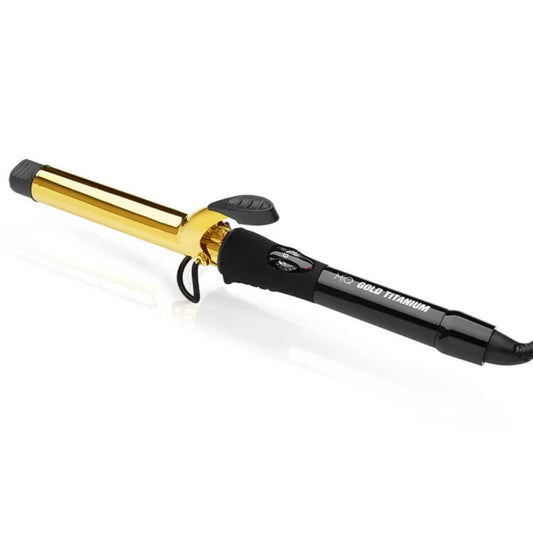
- Curling wands and irons: 3 to 5 years under regular professional conditions; barrel coating quality is the primary factor in longevity
- Hot brushes and multi-stylers: 2 to 4 years, as the combination of bristles, heating elements, and complex mechanisms creates more wear points
These figures represent averages under controlled conditions. In a busy salon environment where tools are used for six to eight hours daily, the lower end of these ranges becomes far more likely. Conversely, a home user who styles twice a week with proper care can expect tools to exceed the upper estimates considerably.
How Long Does a Flat Iron Really Last?
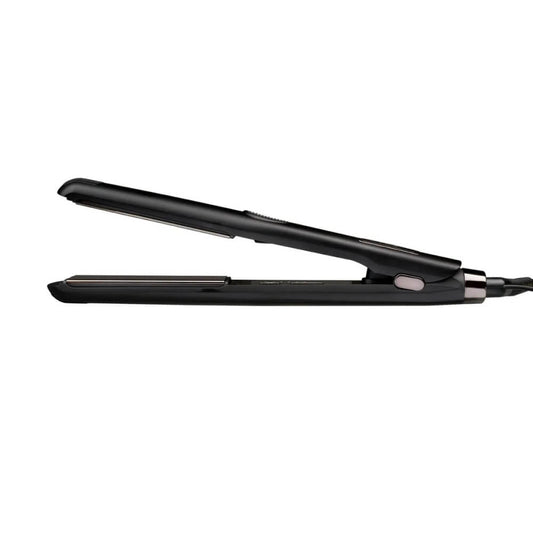
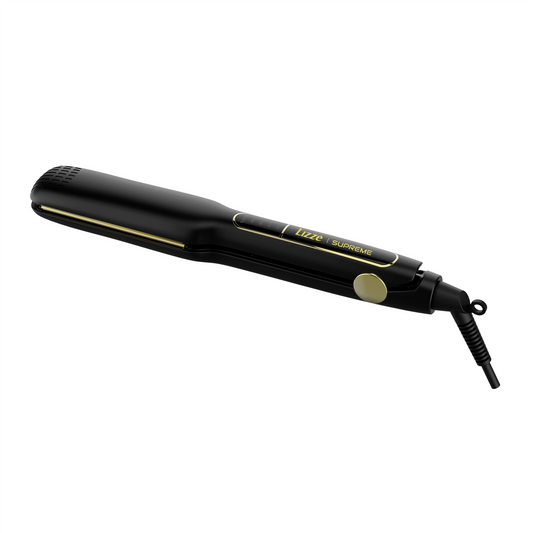
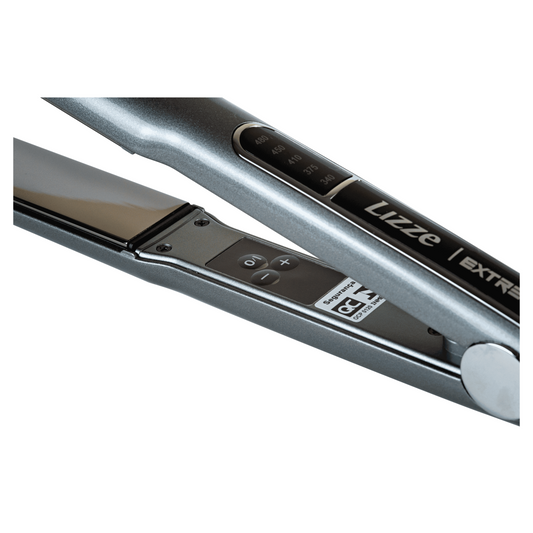
The flat iron — or hair straightener — is the workhorse of professional styling. Its lifespan is primarily determined by the quality of the heating plates, the consistency of temperature regulation, and the care applied to the plates between uses.
Ceramic plates are gentler on hair and offer even heat distribution, typically lasting 3 to 5 years before coating degradation begins to affect performance. Titanium plates are harder and heat faster, but are more susceptible to scratching if handled roughly — with proper care, they can last 5 to 7 years or more. Tourmaline-coated plates fall in a similar range to ceramic but can degrade faster if exposed to chemical product residue.
The most critical factor in flat iron longevity is plate integrity. Once plates begin to chip, scratch, or develop rough patches, the tool should be replaced immediately — damaged plates cause direct mechanical damage to the hair fiber regardless of temperature settings. To maximize the lifespan of your flat iron and learn the correct technique for preserving both the tool and the hair, read our guide on how to use a hair straightener without damage — the professional method.
Hair Dryer Lifespan: What Salon Professionals Need to Know
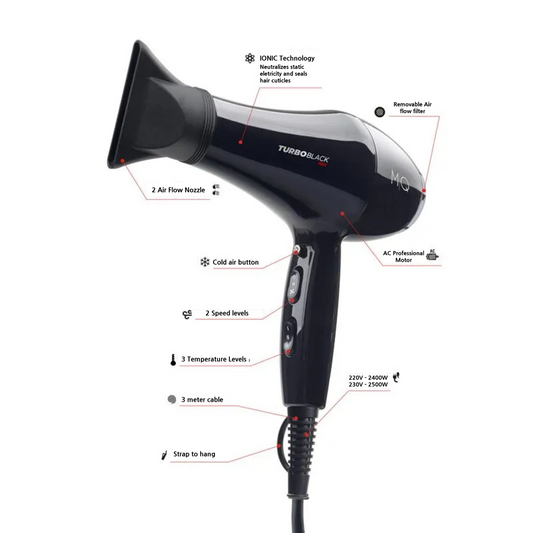
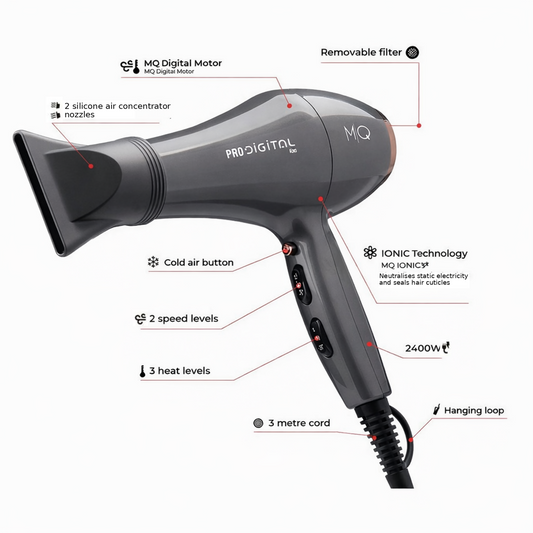
The professional hair dryer is the most frequently used tool in any salon environment, and its motor is the component most subject to wear. A dryer used for 6 to 8 hours daily in a salon will experience significantly more stress than one used a few times per week at home.
The key lifespan factors for professional hair dryers include:
- Motor quality: AC motors — found in professional-grade dryers — are more durable than DC motors and can last significantly longer under heavy use
- Filter maintenance: A clogged intake filter causes the motor to overheat, which is the leading cause of premature dryer failure; cleaning the filter weekly in salon use is non-negotiable
- Heat and speed settings: Consistently operating at maximum heat and speed accelerates motor wear; alternating settings during use extends longevity
- Cord care: The power cord is a failure point that is often overlooked; never wrap the cord tightly around the body of the dryer, as this stresses the internal wiring
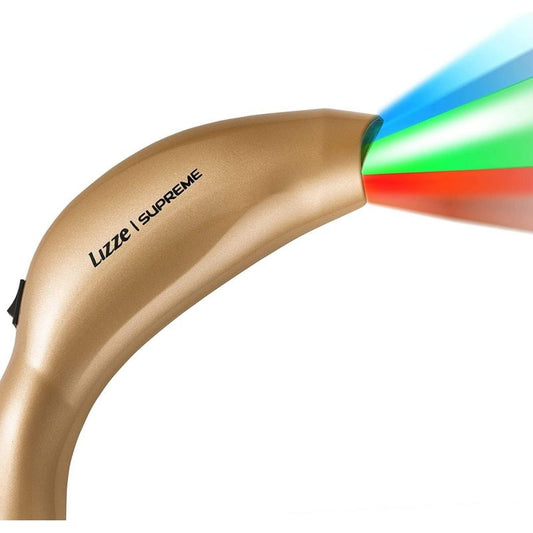
- Ionic and infrared technology: Advanced emission systems within the dryer head can degrade over time, reducing performance even when the motor remains functional
In salon environments, many professionals budget for dryer replacement every 3 to 4 years as part of standard equipment turnover. High-end professional models with AC motors and robust build quality can stretch this to 5 or even 7 years with attentive maintenance.
Curling Wand and Curling Iron Longevity
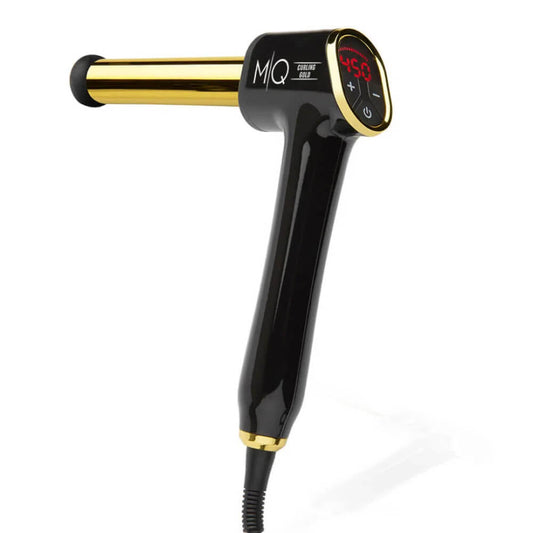
Curling tools occupy a unique position in the styling toolkit — they combine precise barrel temperatures with consistent contact against the hair, making barrel coating quality the central determinant of both performance and lifespan.
The most common cause of early curling tool replacement is coating degradation. As the barrel coating chips, peels, or develops hot spots, the tool loses the ability to deliver even heat and begins to snag the hair. This is both a performance issue and a safety concern. A high-quality ceramic or titanium barrel maintained with proper product use and regular cleaning can deliver consistent performance for 4 to 5 years under professional conditions.
Temperature consistency is another critical longevity indicator. If your curling wand takes noticeably longer to reach temperature, fluctuates during use, or no longer achieves its maximum stated temperature, the heating element is approaching the end of its functional life. These symptoms should not be ignored in a professional context, as inconsistent heat delivery directly compromises the quality of the finished style.
The True Cost of Aging Styling Tools
Many salon owners and home users underestimate the ongoing cost of using aging or degraded styling tools. Beyond the visible performance decline, outdated or worn tools carry real consequences:
- Hair damage accumulation: Tools that no longer heat evenly or have damaged contact surfaces cause incremental structural damage to the hair fiber with every use
- Increased service time: Underperforming tools require more passes, higher temperatures, and longer sessions to achieve the same result — increasing client exposure to heat stress
- Inconsistent results: Temperature instability and coating degradation make it impossible to deliver the repeatable, predictable results that professional clients expect
- Energy inefficiency: Aging heating elements draw more power while delivering less consistent heat, increasing operating costs
- Safety risks: Frayed cords, malfunctioning thermostats, and compromised insulation represent genuine electrical and thermal hazards in a professional environment
The real cost of extending the life of a failing tool almost always exceeds the cost of timely replacement. Understanding when to retire a tool is as important as knowing how to maintain it. For a comprehensive breakdown of which professional tools deliver the best performance and longevity across all styling categories, consult our expert resource on the best tools for professional hair styling.
How to Extend the Life of Your Professional Styling Tools
Proper maintenance is the single most impactful factor in maximizing styling tool lifespan. The gap between a tool that lasts three years and one that lasts seven is almost always a direct reflection of how it has been cared for.
Follow these professional maintenance protocols to maximize the return on your tool investment:
- Clean plates and barrels after every use: Allow the tool to cool completely, then wipe plates and barrels with a damp microfiber cloth to remove product residue before it carbonizes onto the surface
- Never apply products directly to a hot tool: Hairspray, serums, and heat protectants applied directly onto heated surfaces accelerate coating degradation and attract carbon buildup
- Store tools properly: Use heat-resistant pouches or dedicated tool holders; never coil cords tightly or hang tools by their cords
- Clean hair dryer filters weekly in salon use: Use a soft brush or cotton swab to clear lint and product buildup from the intake filter
- Allow full cool-down before storage: Storing tools while still warm traps residual heat and moisture, accelerating internal component wear
- Use the appropriate temperature for each hair type: Operating consistently at maximum temperature is not always necessary and accelerates wear on heating elements
- Inspect cords and connections regularly: Any fraying, kinking, or overheating at the cord junction is a signal for immediate professional inspection or replacement
When to Replace Your Styling Tools: The Professional Checklist
Knowing when to replace a styling tool is as important as knowing how to maintain one. Continuing to use a compromised tool in a professional context carries risks that extend beyond performance to client safety and business reputation.
Replace your flat iron, hair dryer, or curling wand immediately if you observe any of the following:
- Visible chipping, scratching, or peeling of plates or barrel coating
- Uneven heating, hot spots, or failure to reach the correct temperature
- Unusual smells, sparking, or discoloration of any component
- Frayed, kinked, or overheating power cord
- Significant increase in the time required to achieve the same styling result
- Hair snagging, breakage, or unusual resistance during use
- Buttons, temperature controls, or digital displays that malfunction or fail intermittently
Blow-Dry Technique and Tool Lifespan
The way a tool is used has as much impact on its lifespan as the tool's inherent build quality. Professional blow-dry technique, in particular, determines how much thermal and mechanical stress a dryer experiences with every service. Tools that are held too close to the scalp, operated continuously at maximum heat, or used without proper directional control wear significantly faster than those used with precision and intention.
Developing a correct, efficient blow-dry technique is not only better for the client's hair — it actively reduces thermal cycling stress on the dryer's motor and heating element. If you are looking to refine your technique while maximizing tool longevity, our comprehensive step-by-step guide on how to blow out hair at home like a salon covers the exact method used by professional stylists to achieve superior results with minimal tool stress.
Frequently Asked Questions
How often should a salon replace its flat irons and styling tools?
In a high-volume salon environment, flat irons and curling tools should be evaluated annually and replaced every 3 to 5 years depending on use frequency and plate condition. Hair dryers in full-time salon use typically require replacement every 3 to 4 years. Any tool showing signs of plate damage, temperature inconsistency, or electrical irregularities should be replaced immediately regardless of age.
What is the most important factor in extending the life of a professional hair dryer?
Filter maintenance is the single most important factor. A clogged intake filter forces the motor to work harder, generating excess heat that degrades internal components significantly faster than normal use. In salon environments, filters should be cleaned at minimum once a week; in heavy-use settings, more frequently. Alongside filter maintenance, cord care and proper storage are the next most impactful factors.
Does the plate material affect how long a flat iron lasts?
Yes. Titanium plates are generally more durable than ceramic under heavy professional use, but they are also more susceptible to surface scratching if dropped or handled roughly. Ceramic and tourmaline plates offer gentler heat distribution and are less prone to surface damage under normal handling. The most critical factor regardless of material is keeping the plates clean of product residue and free from physical impact.
Can I repair a damaged flat iron plate instead of replacing the tool?
In most cases, no. Once a flat iron plate begins to chip, crack, or develop rough surface areas, the integrity of the coating cannot be reliably restored. Using a damaged plate creates friction against the hair shaft and localized temperature irregularities that cause direct hair damage. Replacement is the only professional-grade solution once plate integrity has been compromised.
Do higher-priced professional tools actually last longer than budget alternatives?
Generally, yes — but with important nuances. Premium professional tools typically use higher-grade materials, more sophisticated temperature control systems, and more robust internal components that translate to greater longevity under heavy use. However, no tool lasts long without proper maintenance. A mid-range tool that is meticulously maintained will consistently outlast a premium tool that is neglected. Both build quality and care discipline are required to maximize tool lifespan.