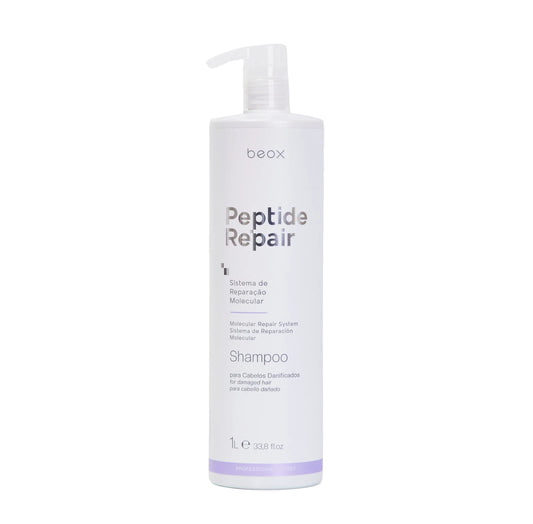
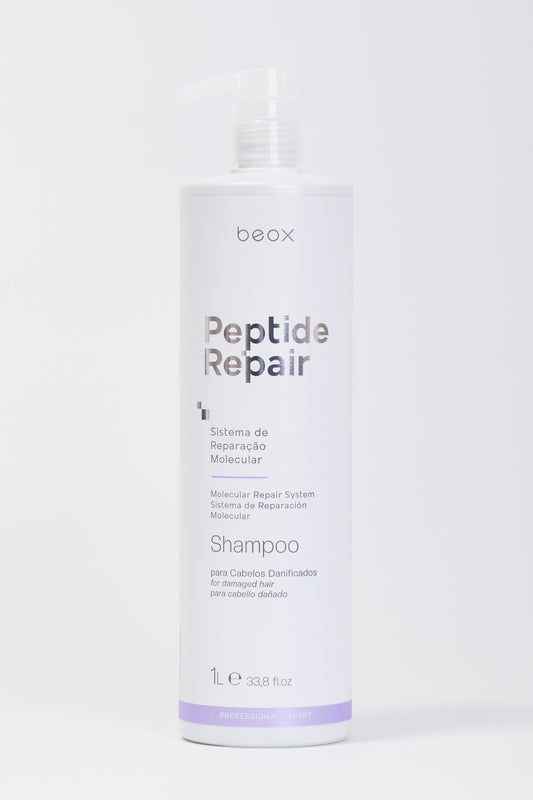
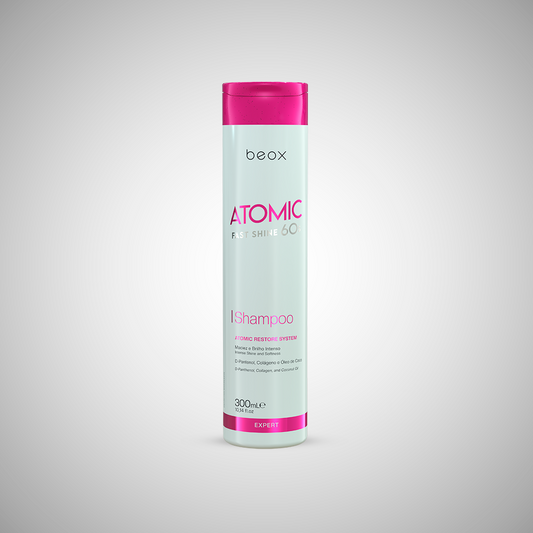
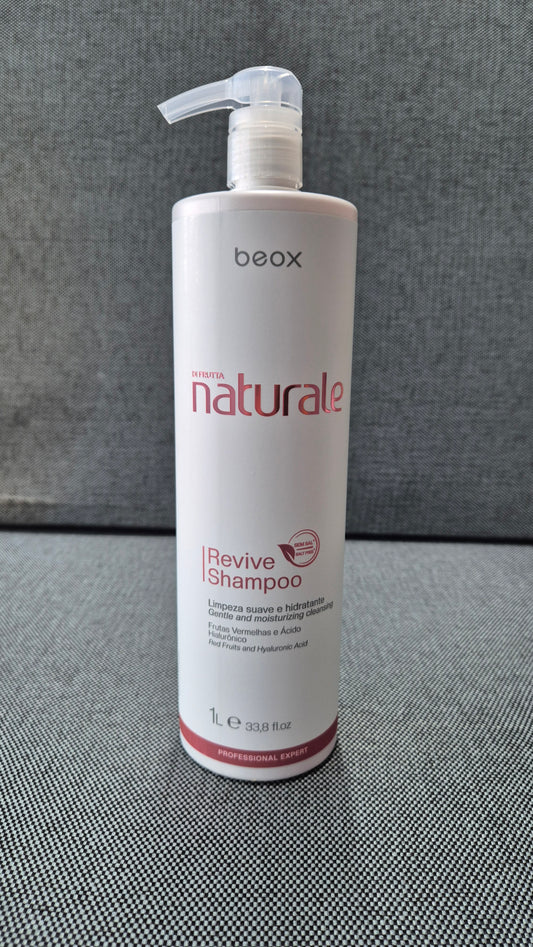
How to Transition to Sulfate-Free Shampoo: The Complete Expert Guide
Lip Store.euShare
Switching to a sulfate-free shampoo is one of the most impactful decisions you can make for the long-term health of your hair — but most people get it wrong. Whether you have just invested in a professional keratin treatment, recently colored your hair, or simply want to stop stripping your strands of their natural moisture, this guide gives you the complete roadmap for a successful, permanent transition. No guesswork, no frustration — just results.
Understanding why sulfates are harmful, what to expect during the adjustment period, and how to build the right routine from day one is what separates a smooth transition from a failed attempt. This is everything you need to know.
What Are Sulfates and Why Do They Damage Hair?
Sulfates — most commonly sodium lauryl sulfate (SLS) and sodium laureth sulfate (SLES) — are synthetic detergents added to shampoos to create a rich, foamy lather. While they are highly effective at removing dirt and oil, they are also indiscriminate: they strip the hair of its natural sebum, disrupt the moisture barrier, and progressively weaken the hair fiber with repeated use.
For color-treated hair, sulfates accelerate pigment loss by penetrating and lifting the hair cuticle — causing color to fade significantly faster than it should. For keratin-treated hair, sulfates chemically dissolve the bonded protein layer, drastically reducing the lifespan of the treatment. For all hair types, chronic sulfate exposure leads to dryness, frizz, brittleness, and a compromised scalp microbiome.
The global shift toward sulfate-free haircare is not a trend — it is a science-backed response to decades of ingredient research that consistently points to sulfates as one of the most damaging elements in conventional haircare formulations.
The Adjustment Period: What to Expect in the First Weeks
One of the most common reasons people abandon sulfate-free shampoos is a misunderstanding of the adjustment period. When you first switch, your scalp — which has been conditioned to produce excess oil to compensate for the constant stripping caused by sulfates — does not immediately recalibrate. This can result in hair that feels heavier, greasier, or less "clean" than you are used to in the first one to three weeks.
This is not a sign that the sulfate-free shampoo is not working. It is a sign that your scalp is rebalancing its sebum production to its natural baseline. The adjustment period typically lasts between one and four weeks, after which the scalp normalizes, oil production regulates, and hair begins to feel genuinely cleaner, softer, and more hydrated between washes.
Managing expectations during this phase is critical. Washing slightly more frequently in the first two weeks, using a clarifying shampoo once before the transition begins, and choosing the right sulfate-free formula for your specific hair type will all shorten and smooth the adjustment window significantly.
Step-by-Step: How to Transition to Sulfate-Free Shampoo Correctly
A structured transition strategy produces dramatically better results than simply swapping one bottle for another. Follow this protocol for a clean, comfortable switch:
- Start with a clarifying wash: Use a sulfate-based clarifying shampoo one final time to remove all product buildup from the hair and scalp before beginning your sulfate-free routine. This creates a clean baseline
- Choose the right formula: Select a sulfate-free shampoo specifically formulated for your hair type — moisturizing formulas for dry or curly hair, lightweight formulas for fine or oily hair, and keratin-safe formulas for chemically treated hair
- Adjust your washing technique: Sulfate-free shampoos produce less lather. Apply the shampoo to wet hair, emulsify it between your palms first, and focus the application on the scalp — not the lengths — to ensure even distribution
- Double-shampoo if needed: In the first weeks, a second application can help achieve a thorough cleanse without the need for harsh surfactants. This is especially useful for those with high oil production
- Pair with a sulfate-free conditioner: Using a sulfate-free conditioner in the same routine reinforces the moisture barrier, prevents tangling, and accelerates the scalp rebalancing process
- Be patient with the transition: Give the process a minimum of three to four weeks before evaluating results. Scalp rebalancing is physiological — it cannot be rushed
- Track your hair's response: Note changes in frizz levels, shine, scalp comfort, and washing frequency week by week to confirm the transition is progressing correctly
The Best Sulfate-Free Shampoo for Keratin-Treated and Color-Treated Hair
Not all sulfate-free shampoos are created equal. For hair that has undergone a professional keratin treatment or chemical coloring service, the formulation requirements go beyond simply removing sulfates. The ideal shampoo must also be sodium chloride-free, pH-balanced to the hair's natural acidity, and enriched with ingredients that actively reinforce the treatment rather than gradually eroding it.
Key ingredients to look for in a high-performance sulfate-free shampoo include hydrolyzed keratin, panthenol, argan oil, and amino acids — all of which strengthen the hair fiber, restore elasticity, and enhance the results of professional treatments. Formulas containing sodium chloride (salt) should be avoided even if they are sulfate-free, as salt is equally damaging to keratin bonds.
If you have recently undergone a keratin treatment and want to ensure your aftercare routine is optimized from week one, the detailed week-by-week keratin treatment maintenance guide provides a complete protocol for preserving your results at every stage of the treatment cycle.
Sulfate-Free Shampoo for Specific Hair Types: Choosing the Right Formula
The effectiveness of any sulfate-free shampoo depends heavily on how well its formulation matches your hair's specific needs. Applying a heavy moisturizing formula to fine, oily hair will weigh it down; using a lightweight cleansing formula on thick, coarse hair will leave it feeling dry and unmanaged. Matching the formula to the hair type is non-negotiable for optimal results.
- Fine or oily hair: Look for lightweight, volumizing sulfate-free formulas that cleanse effectively without adding weight. Avoid formulas with heavy oils or butters in the first few ingredients
- Dry or damaged hair: Choose deeply moisturizing sulfate-free shampoos enriched with keratin, panthenol, or plant-based oils that replenish moisture and restore elasticity
- Curly or coily hair: Prioritize sulfate-free formulas with high hydration, glycerin, and curl-defining ingredients that enhance natural texture without disrupting the curl pattern
- Color-treated hair: Use color-protecting sulfate-free shampoos with pH-balanced formulations that seal the cuticle and prevent pigment migration between washes
- Keratin-treated hair: Select shampoos that are both sulfate-free and sodium chloride-free, with active ingredients that reinforce the keratin bond and extend treatment longevity
- Sensitized or scalp-prone hair: Choose gentle, fragrance-free sulfate-free formulas with calming ingredients such as aloe vera, niacinamide, or zinc pyrithione for scalp-specific concerns
How Sulfate-Free Shampoo Extends the Life of Professional Treatments
The relationship between sulfate-free shampoo and professional hair treatments is direct and measurable. Every time a sulfate-based shampoo is used on keratin-treated hair, it chemically attacks the bonded protein layer, accelerating degradation of the treatment. Switching to a sulfate-free, sodium chloride-free alternative immediately after a keratin treatment can extend the treatment's lifespan by weeks — sometimes significantly longer depending on washing frequency and water quality.
The same principle applies to color-treated hair. Sulfates open the hair cuticle during each wash, allowing pigment molecules to escape and causing color to appear dull and faded far earlier than it should. A sulfate-free shampoo maintains a closed cuticle, preserving color vibrancy and reducing the need for frequent touch-up appointments.
For hair that has undergone bleaching or other intensive chemical processes, the structural integrity of the hair fiber is already compromised. Using a sulfate-free routine as part of a broader care strategy is not optional — it is essential. For a comprehensive overview of how to care for chemically altered hair, the complete expert guide to bleached hair care covers every element of an effective recovery and maintenance protocol.
Building a Complete Sulfate-Free Haircare Routine
Transitioning to a sulfate-free shampoo is most effective when it is part of a holistic sulfate-free haircare routine. Using a sulfate-free shampoo alongside sulfate-containing styling products, conditioners, or treatments undermines the benefits and prolongs the adjustment period unnecessarily.
A complete sulfate-free routine should include:
- A sulfate-free, sodium chloride-free shampoo matched to your hair type and treatment history
- A sulfate-free conditioner or deep conditioning mask applied from mid-lengths to ends after every wash
- A leave-in conditioner or lightweight serum to seal the cuticle and protect against humidity and thermal damage
- A heat protectant spray applied before any blow-drying or flat iron use to prevent structural damage
- A weekly or bi-weekly deep conditioning treatment or hair mask to restore moisture, elasticity, and shine between washes
- Sulfate-free styling products — including serums, creams, and gels — to maintain consistency across the entire routine
For a detailed breakdown of which products deliver the best results for chemically treated hair, the complete guide to the best products for chemically treated hair provides a curated, expert-backed selection across all product categories.
Common Mistakes to Avoid When Switching to Sulfate-Free Shampoo
The transition to sulfate-free shampoo is straightforward when approached correctly — but several common mistakes can derail the process and lead to unnecessary frustration. Being aware of these pitfalls before you begin significantly increases your chances of a smooth, successful switch.
- Quitting too early: The adjustment period can feel uncomfortable, but abandoning the process before four weeks means the scalp never fully rebalances. Most people who "fail" with sulfate-free shampoo simply did not give the transition enough time
- Choosing the wrong formula: A sulfate-free shampoo that does not match your hair type will produce disappointing results regardless of how long you use it. Formula compatibility is as important as the absence of sulfates
- Not clarifying before switching: Starting a sulfate-free routine on top of existing buildup prevents the new formula from performing effectively. A one-time clarifying wash before switching is always recommended
- Using hot water: Hot water opens the hair cuticle and accelerates moisture loss. Switch to lukewarm or cool water during washing to maximize the benefits of your sulfate-free shampoo
- Ignoring the rest of the routine: Sulfate-free shampoo works best within a fully sulfate-free routine. Keeping sulfate-containing conditioners or styling products undermines the transition and prolongs the adjustment period
Frequently Asked Questions
How long does it take to adjust to sulfate-free shampoo?
The adjustment period for sulfate-free shampoo typically lasts between one and four weeks, depending on your scalp's oil production levels and how long you have been using sulfate-based products. During this period, hair may feel heavier or greasier than usual as the scalp recalibrates its sebum production. After the adjustment is complete, hair feels cleaner, softer, and more balanced between washes — and most people find they need to wash less frequently than before.
Can I use sulfate-free shampoo every day?
Yes. One of the key advantages of sulfate-free shampoo is that its gentler surfactant system makes it suitable for daily use without causing the dryness or irritation associated with sulfate-based formulas. That said, daily washing is generally not necessary once the scalp has rebalanced — most hair types thrive with two to three washes per week using a high-quality sulfate-free formula.
Is sulfate-free shampoo necessary after a keratin treatment?
Yes, it is essential. Using a sulfate-based shampoo after a keratin treatment chemically breaks down the bonded protein layer that the treatment creates, significantly shortening its lifespan. A sulfate-free and sodium chloride-free shampoo is the single most important product decision you can make to protect your keratin treatment investment and extend its results.
Will sulfate-free shampoo clean my hair as effectively?
Yes. Modern sulfate-free shampoos use advanced mild surfactants — such as sodium cocoyl isethionate, decyl glucoside, and coco-glucoside — that effectively remove dirt, oil, and product buildup without stripping the hair's natural moisture barrier. The absence of lather does not indicate reduced cleansing performance; it simply reflects the absence of the synthetic foaming agents that sulfates provide.
Can sulfate-free shampoo help with scalp conditions?
For many people, yes. Sulfates can irritate a sensitive scalp, disrupt the skin's microbiome, and exacerbate conditions such as dryness, itching, and dandruff. Switching to a gentle, sulfate-free formula often reduces scalp irritation and supports a healthier, more balanced scalp environment over time. For specific scalp conditions, it is always advisable to consult a dermatologist or trichologist before changing your routine.