Winter Hair Care Routine: How to Protect Your Hair from Cold and Dryness
Lip Store.euShare
When temperatures drop, your hair pays the price. Cold air, indoor heating, static, and moisture loss combine into a relentless assault on your hair's health — turning even the most vibrant, well-maintained strands brittle, dull, and prone to breakage. A well-crafted winter hair care routine is not optional; it is the difference between hair that thrives through the season and hair that barely survives it.
Whether you are a salon professional advising clients on seasonal transitions or a consumer determined to protect your investment in healthy, beautiful hair, this guide delivers everything you need to build a winter hair care routine that genuinely performs.
Why Winter Is the Hardest Season for Your Hair
Understanding the enemy is the first step to defeating it. Winter creates a uniquely hostile environment for hair health — one driven by a combination of external cold and internal heat that most people underestimate.
Outside, cold air is inherently low in humidity. This forces the hair shaft to seek moisture from within, depleting the natural water content of each strand and leaving the cuticle rough, raised, and vulnerable. Inside, central heating strips atmospheric moisture further, creating a double cycle of dehydration that no single product can fix on its own.
The result is a cascade of problems: increased frizz, static electricity, split ends, breakage, loss of elasticity, and a dull, lifeless appearance that no amount of heat styling seems to remedy. For color-treated or chemically processed hair, the damage can be even more pronounced — as already-compromised cuticles are far less equipped to retain moisture when external conditions work against them.
The Complete Winter Hair Care Routine: Step by Step
A high-performance winter hair care routine addresses every stage of the hair care cycle — from cleansing and conditioning to treatment, styling, and overnight protection. Each step plays a specific role in preserving moisture, reinforcing the hair fiber, and shielding the strand from environmental damage.
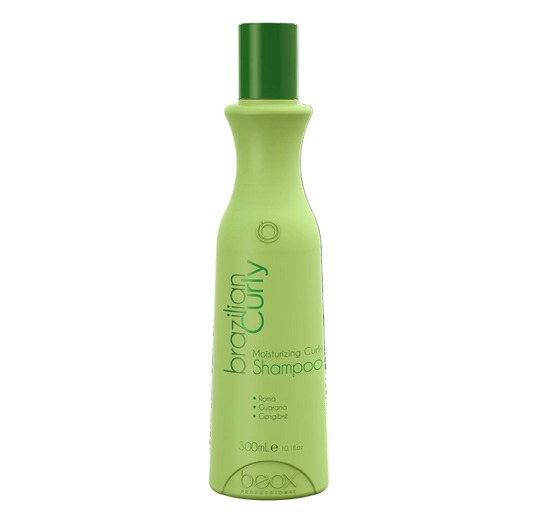
- Switch to a hydrating, sulfate-free shampoo: Conventional sulfate-based shampoos strip the natural oils your hair desperately needs in winter. Transition to a moisturizing, sulfate-free formula that cleanses without compromising the hair's lipid barrier
- Reduce wash frequency: Washing hair every day in winter accelerates moisture loss. Extending wash intervals to every two or three days allows the scalp's natural oils to migrate down the hair shaft, providing built-in conditioning
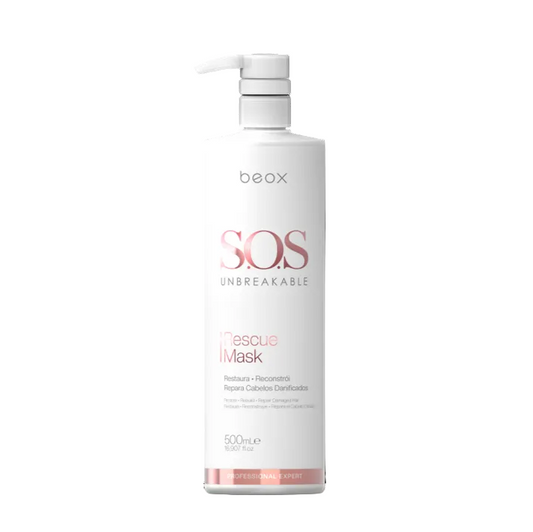
- Use a deep conditioning mask weekly: A rich, protein-and-moisture-balanced hair mask applied weekly replenishes what cold air strips away. Focus on mid-lengths and ends — the oldest, driest, most fragile parts of the hair
- Apply a leave-in conditioner before styling: A leave-in conditioner creates a protective moisture layer between the hair and any heat or environmental exposure. It is non-negotiable in a winter hair care routine
- Use a heat protectant every time: Cold, dry air makes hair more vulnerable to thermal damage. Even at moderate temperatures, always apply a heat protectant before blow-drying or using any styling tool
- Seal with a lightweight hair oil or serum: Finishing with a small amount of argan oil, camellia oil, or a silicone-free serum seals the cuticle, locks in moisture, and adds the shine that winter weather consistently steals
- Protect physically when going outdoors: Hats, scarves, and hoods create friction and static. Wear a silk or satin-lined hat when possible, or apply an anti-static spray before going outside
The Role of Protein and Moisture Balance in Winter
One of the most misunderstood aspects of winter hair care is the protein-moisture balance. Hair that is over-moisturized becomes limp, overly stretchy, and prone to breakage. Hair that is over-proteinated becomes stiff, brittle, and snaps rather than bends. Winter typically pushes hair toward moisture deficiency — but aggressive treatment with heavy protein masks can tip the balance in the opposite direction.
The most effective winter routine alternates between moisture-focused treatments and light protein reinforcement — never over-applying either. A skilled salon professional can assess your hair's current protein-moisture state and recommend the most appropriate treatment schedule for the season.
Professional Treatments That Transform Winter Hair
For clients whose hair is severely compromised by winter conditions — extensive breakage, chronic dryness, loss of elasticity, or persistent frizz — a professional in-salon treatment is the fastest and most reliable path to recovery. No amount of at-home product can replicate the structural repair that a professional-grade formula delivers when applied correctly.
Among the most effective professional treatments for winter-damaged hair is a keratin-based smoothing treatment, which replenishes lost protein, seals the cuticle, and creates a long-lasting shield against humidity and moisture fluctuation. If you are building a complete professional routine, understanding the broader context of your expert step-by-step hair care routine is essential before selecting which in-salon service best complements your seasonal home care.
Scalp Care in Winter: The Foundation of Healthy Hair
A winter hair care routine that ignores the scalp is fundamentally incomplete. The scalp is the environment from which every strand of hair grows — and when it is dry, flaky, irritated, or out of balance, the hair it produces reflects that dysfunction from root to tip.
Cold temperatures constrict blood flow to the scalp, reducing the delivery of oxygen and nutrients to the follicles. Dry indoor air causes scalp dehydration and, in many cases, overcompensation in the form of excess oil production. The friction of hats and hoods adds mechanical stress to an already-vulnerable environment.
Combat scalp dehydration with a weekly scalp oil treatment or a hydrating scalp serum massaged in before shampooing. Scalp massage — even for five minutes — significantly improves circulation, promoting healthier follicle activity during the colder months. Choose a gentle, balancing scalp shampoo that cleanses without stripping, and avoid hot water, which further dehydrates the scalp and strips away its protective oils.
Common Winter Hair Mistakes to Avoid
Even well-intentioned winter hair care routines can cause damage if built around common misconceptions. These are the mistakes most frequently seen in both salon and home settings:
- Going outside with wet hair: Wet hair has a compromised cuticle and significantly lower tensile strength. Exposure to freezing temperatures while wet can cause the water inside the hair shaft to expand, leading to internal breakage — a form of damage that is invisible until it manifests as split ends and frizz weeks later
- Overusing dry shampoo: In winter, the temptation to extend washes with dry shampoo is high. But excessive use clogs follicles, creates product buildup, and prevents the scalp from properly regulating itself — exacerbating both dryness and oiliness depending on your scalp type
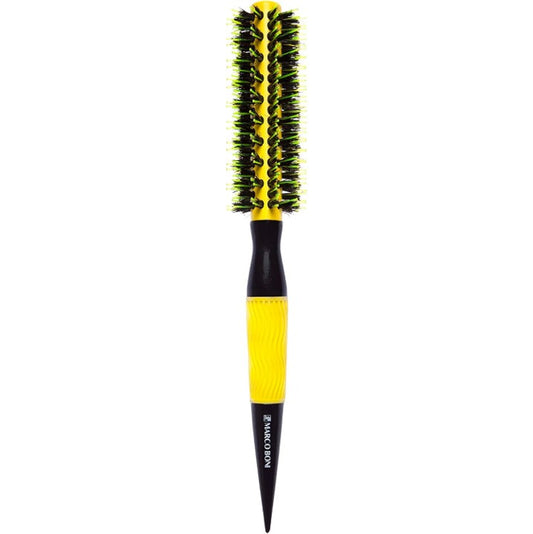
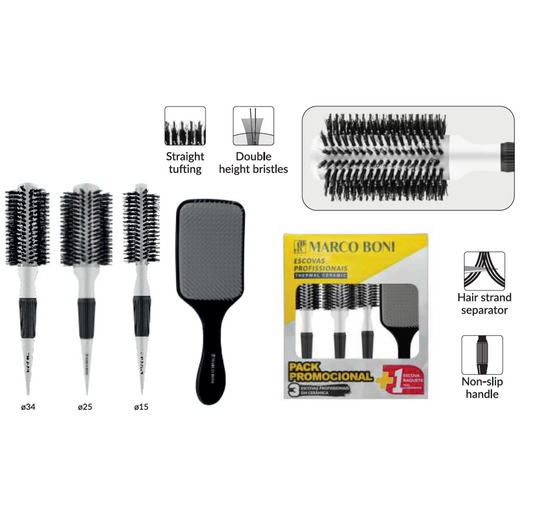
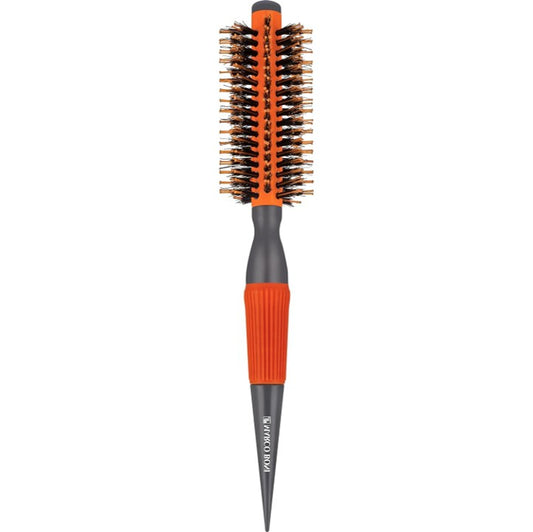
- Using the wrong brush: Plastic bristle brushes generate static electricity in dry winter air. Switch to a natural boar bristle brush or an ionic brush that distributes oils evenly while minimizing friction and static
- Skipping trims: Split ends travel up the hair shaft. In winter, when hair is already under stress, split ends accelerate — making regular trims every six to eight weeks more important than in any other season
- Using heavy protein treatments too frequently: More is not better when it comes to protein. Over-proteinating brittle winter hair makes it more fragile, not stronger — leading to increased breakage with every brush stroke
Building a Weekly Winter Hair Care Schedule
Consistency is the most underrated element of effective seasonal hair care. A structured weekly routine ensures every aspect of winter hair health is addressed systematically rather than reactively. For a complete framework you can apply year-round, the best weekly hair care routine for healthy, strong hair provides a proven structure that adapts seamlessly to winter demands.
A practical winter weekly schedule looks like this:
- Day 1 (Wash Day): Scalp massage with oil, clarifying or hydrating shampoo, deep conditioning mask, leave-in conditioner, heat protectant, gentle blow-dry, finishing oil
- Day 2–3: Refresh with a lightweight mist or leave-in spray; style with minimal heat; apply anti-static product before going outdoors
- Day 4–5: Scalp serum or oil applied at the roots; hair tied loosely if going out in a hat; continue with anti-static protection
- Day 6–7 (Pre-Wash): Pre-shampoo oil treatment applied overnight or for a minimum of 30 minutes before washing to deeply replenish moisture before cleansing removes it
Protecting Color-Treated Hair in Winter
Color-treated hair faces compounded challenges in winter. The cuticle, already slightly lifted by the coloring process, is far more susceptible to moisture loss and environmental damage in cold conditions. Fading accelerates. Brassiness intensifies. Breakage increases. A winter hair care routine for color-treated hair must be built around extra protection at every step.
Use a color-safe, sulfate-free shampoo specifically formulated for colored hair. Incorporate a color-depositing conditioner or mask to refresh tone between salon appointments. Apply a tinted or UV-protective serum to combat the fading effects of winter sun — which, although low in warmth, is still highly active in UV output. And always ensure that any in-salon treatment you choose is fully compatible with your color — a professional consultation makes this seamless. For a deeper understanding of how seasonal factors affect hair health beyond winter, the insights in summer hair care and sun damage protection reveal how year-round vigilance builds the strongest foundation.
Frequently Asked Questions
How often should I wash my hair in winter?
In winter, washing hair every two to three days is generally ideal for most hair types. This frequency is enough to keep the scalp clean and balanced without stripping the natural oils that protect the hair shaft from cold-weather moisture loss. For very dry or coarse hair types, stretching to every three to four days — supported by dry shampoo used sparingly — can significantly improve overall hair condition throughout the season.
What ingredients should I look for in a winter hair care routine?
Look for formulas containing hyaluronic acid, shea butter, argan oil, ceramides, hydrolyzed keratin, and panthenol. These ingredients collectively attract and retain moisture, reinforce the cuticle structure, restore elasticity, and repair minor surface damage. Avoid formulas with high concentrations of sulfates, alcohol, and sodium chloride — all of which accelerate moisture loss in an already dehydrating environment.
Is it bad to go outside with wet hair in winter?
Yes — going outside with wet hair in freezing temperatures is a significant source of cold-weather hair damage. Wet hair is structurally weaker than dry hair; its cuticle is open and its tensile strength is reduced by up to 30%. Exposure to freezing air can cause ice crystals to form inside the hair shaft, leading to micro-breakage that accumulates into visible damage over time. Always dry your hair fully before going outdoors in cold weather.
How can I prevent static in my hair during winter?
Static is caused by a lack of moisture in both the hair and the surrounding air. To prevent it: switch to an ionic hair dryer, use a boar bristle brush, apply a lightweight hair oil or anti-frizz serum after styling, use a silk or satin pillowcase, and consider using a humidifier in your home to restore ambient moisture. An anti-static spray applied lightly before putting on a hat is also highly effective for outdoor static control.
Do I need a different hair care routine in winter than in summer?
Yes. Summer routines typically prioritize UV protection, humidity resistance, and lightweight hydration. Winter routines require a decisive shift toward deeper moisture replenishment, barrier reinforcement, static control, and scalp health. The core structure of your routine — cleanse, condition, treat, protect, style — remains the same, but the specific products, frequencies, and treatment types must be adjusted to address winter's unique demands. Seasonal adaptation is one of the defining habits of genuinely healthy hair.