How to Repair Damaged Hair Without Cutting It: The Complete Expert Guide
Lip Store.euShare
If your hair feels dry, brittle, or lifeless, you are not alone — and the solution does not have to involve scissors. Learning how to repair damaged hair without cutting it is one of the most sought-after skills in professional hair care today, and the results can be truly transformative when the right approach is applied consistently. This guide gives you a complete, expert-backed roadmap to restoring your hair from the inside out.
Whether you are a salon professional advising clients on recovery protocols or a consumer determined to rescue your strands without losing length, the strategies in this guide work across all hair types and damage levels — from mild dryness to severe chemical or heat damage.
Understanding Hair Damage: What Is Actually Happening to Your Strands
Hair damage is not a single condition — it is a spectrum of structural degradation that occurs at the level of the hair fiber itself. Every strand is composed of three layers: the medulla (innermost core), the cortex (the structural backbone responsible for strength and elasticity), and the cuticle (the outermost protective layer of overlapping scales).
When the cuticle is compromised by heat, chemical processes, mechanical stress, UV exposure, or environmental pollution, the cortex becomes exposed and vulnerable. Moisture escapes, protein bonds break down, and the hair loses its ability to flex without snapping. The result is the full spectrum of damage symptoms: frizz, dryness, breakage, split ends, and a dull, porous surface that refuses to reflect light.
The good news is that this damage — even at advanced stages — can be significantly reversed without resorting to the scissors. The key lies in understanding which repair mechanisms target each layer of the hair fiber and applying them in the correct sequence.
Why Cutting Is Not Always the Answer
The conventional advice to "just cut it off" is well-intentioned but incomplete. While trimming removes the most visibly damaged ends, it does nothing to address the underlying conditions that caused the damage in the first place — and it certainly does not repair the hair that remains on the head.
More importantly, cutting does not restore the hair's internal protein structure, rehydrate the cortex, or rebuild the cuticle. Without a targeted repair protocol, newly grown hair will suffer the same fate as the hair that was removed. True recovery begins with treatment — not with scissors.
Professional-grade repair systems, when applied correctly and consistently, can restore elasticity, seal the cuticle, replenish protein, and create a measurable improvement in tensile strength — all without sacrificing a single centimeter of length.
The Core Pillars of Hair Repair Without Cutting
Repairing damaged hair without cutting it requires a structured approach built on four core pillars: protein restoration, deep hydration, cuticle sealing, and protective styling. These four elements work synergistically — each amplifying the effectiveness of the others when used in combination.
- Protein restoration: Damaged hair has lost critical structural proteins, particularly keratin and amino acids. Protein treatments — from light hydrolyzed wheat protein masks to intensive keratin bond-building systems — replenish this lost foundation and restore tensile strength, elasticity, and resilience
- Deep hydration: Moisture is the lifeblood of healthy hair. Dehydrated strands become brittle and snap under minimal mechanical stress. Intensive conditioning treatments, hair masks with humectants like hyaluronic acid or glycerin, and leave-in moisturizers rebuild the water content of the cortex and prevent further moisture loss
- Cuticle sealing: An open, ragged cuticle is both the cause and the symptom of ongoing damage. Sealing the cuticle with smoothing treatments — including keratin formulas, argan oil-based systems, and acidic pH rinses — locks in both protein and moisture while creating a reflective surface that restores visible shine
- Protective styling: Preventing further damage is as important as reversing existing damage. Reducing heat styling frequency, using thermal protectants, opting for loose styles that minimize tension, and sleeping on a silk or satin pillowcase collectively reduce the mechanical and thermal stress that perpetuates the damage cycle
Protein Treatments: The Foundation of Structural Repair
Protein treatments are the cornerstone of any serious hair repair protocol. The science is straightforward: hair is approximately 95% keratin protein, and when this protein is depleted through damage, the hair loses its structural integrity. Replenishing it is not optional — it is foundational.
There are three levels of protein treatment, each suited to a different degree of damage:
- Light protein treatments: Ideal for mildly damaged or color-treated hair, these use hydrolyzed proteins that temporarily fill surface gaps in the cuticle, improving texture, reducing frizz, and adding shine without risking protein overload
- Medium-strength protein masks: Formulated for moderately damaged hair, these penetrate into the cortex to reinforce protein bonds, restore elasticity, and visibly reduce breakage — typically used every 2 to 4 weeks depending on the hair's condition
- Bond-building and keratin repair systems: Designed for severely damaged, bleached, or repeatedly chemically processed hair, these professional-grade treatments rebuild broken disulfide bonds within the cortex, delivering a structural repair that goes far beyond surface conditioning
One critical note: protein balance is essential. Over-proteinating the hair causes it to become stiff, brittle, and prone to breakage — the opposite of the desired result. Always alternate protein treatments with deep hydration to maintain the optimal balance between strength and flexibility.
Deep Conditioning: Restoring Moisture from the Inside Out
If protein is the structure of healthy hair, moisture is its vitality. Damaged hair is chronically dehydrated — the compromised cuticle allows moisture to escape continuously, leaving the cortex dry, inelastic, and prone to mechanical breakage.
Restoring moisture requires more than a standard rinse-out conditioner. Deep conditioning treatments — applied with heat for 20 to 30 minutes to maximize penetration — deliver concentrated doses of humectants, emollients, and occlusives directly into the hair's cortex. The most effective formulas combine:
- Humectants such as hyaluronic acid, aloe vera, and glycerin to attract and retain water within the cortex
- Emollients such as shea butter, avocado oil, and ceramides to soften the cuticle and reduce friction between strands
- Occlusives such as castor oil and dimethicone to seal the cuticle and lock in the moisture that has been deposited
For severely dehydrated hair, a weekly deep conditioning session — particularly when combined with a steamer or warm towel wrap to open the cuticle — can produce visible improvement within the first two to three treatments.
How to Treat Split Ends Without Cutting: Is It Possible?
Split ends are one of the most visible and frustrating signs of hair damage — and one of the most misunderstood. Once a hair fiber has split, the split itself cannot be permanently repaired in the way a broken protein bond can be. However, the split can be temporarily sealed and its progression up the hair shaft can be significantly slowed through targeted treatment.
For a full understanding of what causes split ends and how to treat them most effectively, the complete expert guide to split ends: causes and best treatments provides an in-depth breakdown of the most advanced professional and at-home strategies currently available.
Key strategies for managing split ends without cutting include:
- Applying a concentrated serum or hair oil to the ends daily to temporarily seal the cuticle and reduce further splitting
- Avoiding heat styling on the mid-lengths and ends, where damage is most concentrated
- Using wide-tooth combs and microfiber towels to minimize mechanical stress on already fragile fiber
- Incorporating a bond-building treatment into the weekly routine to reinforce the protein structure before further splitting occurs
Stopping Hair Breakage: The Emergency Protocol
Hair breakage — the snapping of the hair shaft at the mid-length rather than at the end — is a sign of severe internal damage. Unlike split ends, which affect the tips, breakage indicates that the cortex itself has become so weakened that the hair cannot withstand normal daily tension.
Addressing breakage requires an immediate, multi-pronged intervention. For the most effective evidence-based strategies to halt breakage quickly, the expert guide on how to stop hair breakage immediately covers the complete clinical approach used by professional stylists to stabilize severely compromised hair.
The immediate priority is to:
- Eliminate all sources of mechanical and thermal stress — no heat styling, no tight hairstyles, no aggressive brushing until the breakage is stabilized
- Begin a weekly protein treatment to rebuild the internal structure of the hair shaft
- Apply a leave-in conditioner or lightweight oil to each section before any manipulation to reduce friction-related breakage
- Switch to a sulfate-free, pH-balanced shampoo that cleans without further stripping the already depleted cuticle
The Best Professional Products for Repairing Damaged Hair
The difference between a hair repair routine that delivers results and one that simply maintains the status quo lies almost entirely in the quality of the products used. Professional-grade repair systems are formulated with higher concentrations of active ingredients, more sophisticated delivery mechanisms, and clinically tested protocols that genuinely penetrate and repair the hair fiber — rather than simply coating its surface.
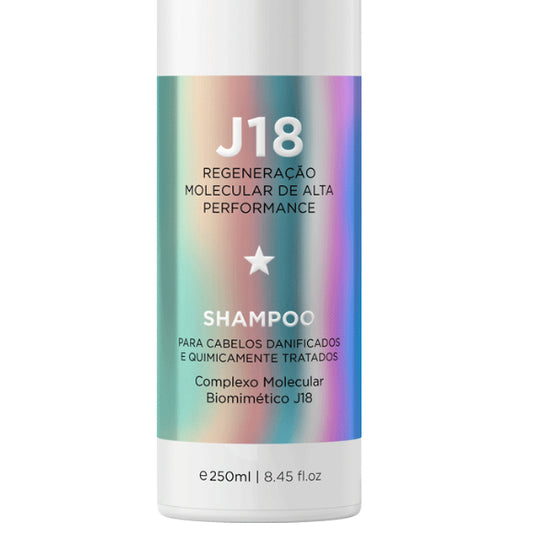
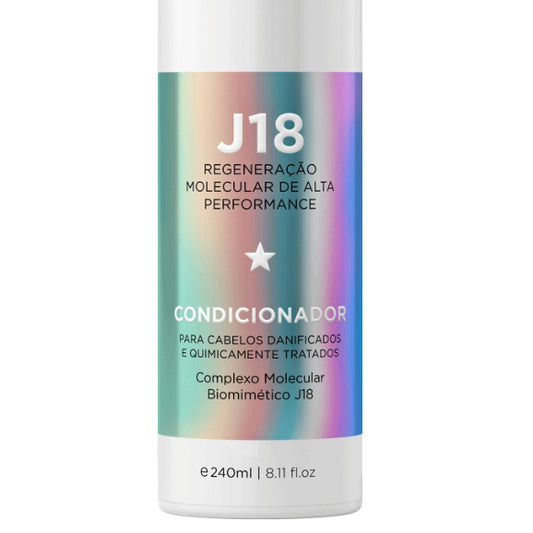
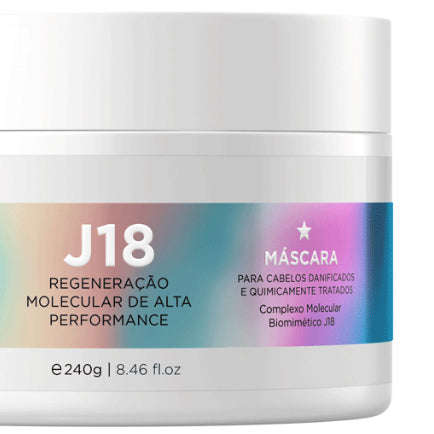
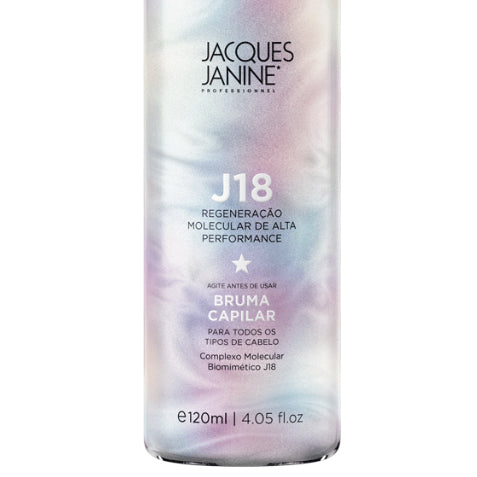
For a full, expertly curated breakdown of the best hair repair products currently available for damaged hair — including bond-building treatments, deep conditioning masks, and professional salon systems — the professional guide to the best hair repair products for damaged hair is the definitive resource for both salon professionals and discerning consumers.
When evaluating products for a hair repair protocol, prioritize formulas that contain:
- Hydrolyzed keratin or hydrolyzed silk to penetrate the cortex and reinforce protein bonds
- Ceramides to restore the lipid layer of the cuticle and reduce porosity
- Panthenol (provitamin B5) to attract moisture into the hair shaft and improve elasticity
- Amino acids — particularly cysteine, arginine, and glutamic acid — to rebuild the structural matrix of the cortex
- Bond-building actives such as maleic acid, bis-aminopropyl diglycol dimaleate, or similar patented technologies that rebuild broken disulfide bonds
Building a Weekly Hair Repair Routine
Consistency is the single most important factor in successful hair repair. A structured weekly routine — applied with precision and without skipping steps — will always outperform sporadic intensive treatments. Here is the framework used by professional stylists to guide clients through a comprehensive recovery protocol:
- Day 1 — Clarifying and protein treatment: Begin the week with a gentle clarifying wash to remove buildup, followed by a protein mask suited to the hair's damage level. Allow the mask to penetrate for the full recommended time, then rinse thoroughly and follow with a moisturizing conditioner to rebalance
- Day 3 or 4 — Deep conditioning: Mid-week, apply a deeply hydrating mask for 20 to 30 minutes under heat. Focus on the mid-lengths and ends where damage is most concentrated. Follow with a cold water rinse to seal the cuticle
- Daily — Leave-in protection: Apply a leave-in conditioner, serum, or lightweight oil every day before styling to maintain moisture levels, reduce friction, and protect against environmental stress
- Ongoing — Protective styling: Minimize heat exposure to no more than once or twice per week. When heat is used, always apply a thermal protectant rated to at least 230°C. Sleep on a silk or satin pillowcase every night
How Long Does It Take to Repair Damaged Hair Without Cutting?
The honest answer depends on the severity of the damage and the consistency of the repair protocol. For mildly damaged hair — dryness, minor frizz, early-stage porosity — visible improvement is typically achievable within 4 to 6 weeks of a consistent repair routine. For moderately damaged hair with significant breakage or chemical processing history, a realistic timeframe is 8 to 12 weeks of dedicated treatment before substantial recovery is evident.
For severely damaged hair — multiple bleaching sessions, extreme heat damage, or years of neglect — the recovery process is longer and may require professional treatment in addition to at-home maintenance. However, with the right products and protocol, even severely compromised hair can achieve a significant functional recovery without sacrificing length.
The key metric to track is not visual appearance alone, but elasticity. Healthy hair should stretch slightly when wet and return to its original length without snapping. As the repair protocol progresses, monitoring this wet stretch test weekly provides the most accurate measure of cortical recovery.
Frequently Asked Questions
Can you actually repair damaged hair without cutting it?
Yes — to a significant and measurable degree. While the most extreme structural damage (such as complete cortex fracture) cannot be reversed at a molecular level, the vast majority of damage symptoms — breakage, frizz, dryness, loss of elasticity, and porosity — can be substantially reduced through consistent protein treatment, deep hydration, and cuticle-sealing protocols. The hair will not return to its virgin state, but it can be restored to a functional, healthy condition without losing length.
How often should I do a protein treatment for damaged hair?
For mildly damaged hair, a light protein treatment every 4 to 6 weeks is typically sufficient. For moderately to severely damaged hair, a medium-strength protein mask every 2 to 3 weeks — alternated with deep conditioning treatments — delivers the best results. Always follow every protein treatment with moisture to prevent protein overload, which causes stiffness and further breakage.
What is the fastest way to repair severely damaged hair?
The fastest results are achieved through a combination of a professional bond-building treatment (applied in a salon setting), followed by a rigorous at-home maintenance protocol using high-quality protein masks, deep conditioners, and protective styling. Eliminating all sources of further damage — heat, chemical processing, tight hairstyles, and aggressive manipulation — is a prerequisite for accelerated recovery.
Does hair oil repair damaged hair?
Hair oils do not repair structural damage at the cortex level — they work primarily on the surface of the cuticle as emollients and occlusives. However, they play an important supporting role in a repair routine by reducing friction between strands, preventing moisture loss from the cuticle, reducing frizz, and improving the tactile feel and appearance of damaged hair while deeper repair treatments do their work internally.
Is it possible to repair heat-damaged hair without cutting it?
Yes. Heat damage affects primarily the cuticle and the outer layers of the cortex, making it one of the more responsive types of damage to treatment. Bond-building systems, keratin treatments, and intensive protein masks can restore a significant degree of elasticity and smoothness to heat-damaged hair. Consistent application over 8 to 12 weeks, combined with the elimination of further heat styling, produces measurable recovery in the majority of cases.